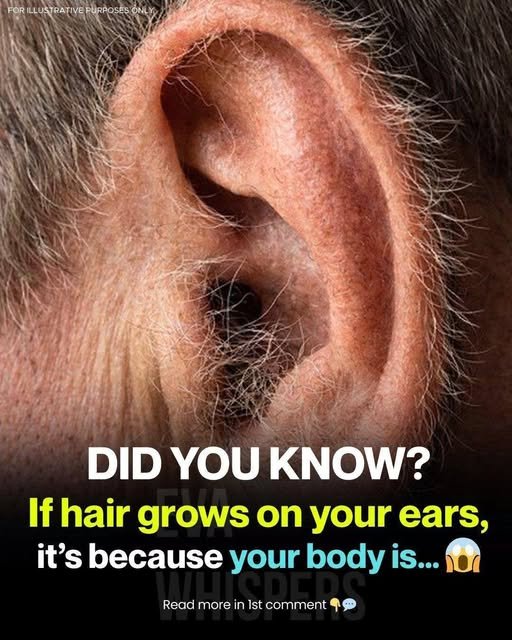
What Your Ear Hair Says About Your Health
Ear hair is a natural and often overlooked part of the human body. While many people consider it only a cosmetic concern, changes in ear hair can sometimes reflect underlying biological processes such as aging, hormonal changes, or genetic factors. In some cases, researchers have even explored possible links between ear hair patterns and certain health conditions.
Although ear hair alone cannot diagnose disease, understanding why it grows and how it changes over time can offer insight into overall health. The study of hair growth and its relationship with the body is often explored in fields such as Dermatology and Endocrinology.
Why Humans Have Ear Hair
Ear hair serves a protective function. Tiny hairs inside the ear canal help trap dust, debris, and microorganisms before they reach deeper parts of the ear. These hairs work together with earwax to keep the ear canal clean and protected.
This natural defense system supports the health of the ear and helps prevent infections such as Otitis Externa.
As people age, however, ear hair may become thicker, longer, or more noticeable.
1. Increased Ear Hair and Aging
One of the most common reasons for noticeable ear hair growth is simply aging.
As men get older, levels of certain hormones change, particularly androgens such as testosterone. These hormones influence hair growth patterns across the body.
This is why older adults may experience:
- thicker ear hair
- increased eyebrow hair
- nose hair growth
These changes are usually harmless and considered a normal part of aging.
2. Ear Hair and Hormonal Changes
Hormones play a major role in hair growth patterns. When hormone levels fluctuate, hair growth can change in different areas of the body.
Increased ear hair growth may be influenced by hormones like:
- testosterone
- dihydrotestosterone (DHT)
Hormonal changes are studied extensively in Endocrinology because they affect everything from metabolism to hair growth.
For most people, these changes are natural and not a sign of illness.
3. Genetic Factors
Genetics also strongly influence ear hair growth.
Some people naturally develop thicker or longer ear hair because of inherited traits. If older relatives have prominent ear hair, it is more likely that younger family members will develop similar patterns over time.
This trait is particularly common among men.
4. Ear Hair and Circulation Research
Interestingly, some researchers have explored a possible association between excessive ear hair and cardiovascular health.
One observational sign that has received attention is the presence of hair growth on the outer ear, sometimes called the ear lobe hair sign. Some early studies suggested that individuals with pronounced ear hair might have a higher risk of heart conditions such as Coronary Artery Disease.
However, scientists emphasize that this connection is not definitive. Ear hair alone cannot predict heart disease, and many people with ear hair have completely healthy hearts.
5. Ear Hair and Skin Health
Because ear hair grows from hair follicles located in the skin, changes in ear hair can sometimes reflect skin health.
For example:
- irritation around the ear
- clogged follicles
- ingrown hairs
These issues are occasionally examined in Dermatology.
Proper hygiene and gentle grooming can usually prevent these minor problems.
6. Should You Remove Ear Hair?
Many people choose to trim or remove ear hair for cosmetic reasons. While this is generally safe, it should be done carefully to avoid irritation or injury.
Safe grooming methods include:
- small grooming scissors
- electric ear hair trimmers
- professional grooming
Avoid inserting sharp objects deep into the ear canal.
The ear canal is delicate and can be easily damaged.
7. When Ear Changes May Need Medical Attention
Although ear hair itself is usually harmless, certain symptoms should not be ignored.
Consult a healthcare professional if you experience:
- persistent ear pain
- sudden hearing loss
- fluid drainage from the ear
- severe itching or swelling
These symptoms may indicate conditions affecting the ear such as Otitis Media.
Healthy Habits for Ear Care
Maintaining good ear health is simple and involves a few basic practices.
Avoid excessive cleaning.
The ear is self-cleaning, and too much cleaning can remove protective earwax.
Protect ears from loud noise.
Long exposure to loud sounds can damage hearing.
Keep ears dry.
Moist environments can encourage infections.
Have regular health checkups.
Routine examinations can help detect ear problems early.
The Bottom Line
Ear hair is a natural part of the body and plays a small but important protective role in ear health. In most cases, noticeable ear hair simply reflects aging, hormonal changes, or genetic traits.
Although some studies have explored possible links between ear hair and certain health conditions, ear hair alone is not a reliable indicator of disease.
If you notice unusual ear symptoms or sudden changes in hearing, consulting a medical professional is always the safest option. Otherwise, ear hair is simply another normal feature of the human body — one that often becomes more visible with time.