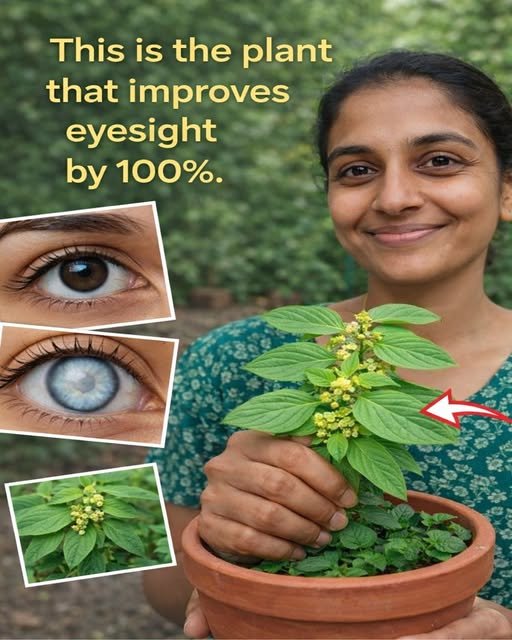
This Euphorbia hirta Plant and Its Traditional Use for Eye Health
For centuries, people around the world have relied on medicinal plants to support overall health and wellbeing. One such plant that has gained attention in traditional herbal practices is Euphorbia hirta, often known as the “asthma plant.” This small herb grows widely in tropical and subtropical regions and has long been used in traditional medicine systems across Asia, Africa, and parts of the Americas.
In folk medicine, the plant is valued for its potential antibacterial, anti-inflammatory, and antioxidant properties. Some herbal traditions also claim that it may help support eye health and improve vision when used properly. While these traditional beliefs continue to spark interest, it is important to understand both the historical uses of the plant and the scientific perspective behind them.
This article explores the traditional uses of Euphorbia hirta, its potential benefits for eye health, and important safety considerations.
What Is Euphorbia Hirta?
Euphorbia hirta is a small, hairy herb that typically grows close to the ground. It thrives in warm climates and is commonly found along roadsides, gardens, fields, and open grasslands.
The plant is easy to recognize due to its:
- Small oval leaves with reddish veins
- Fine hair covering the stems
- Tiny clustered flowers
- Milky sap that appears when the stem is broken
In traditional herbal medicine, different parts of the plant—including leaves, stems, and flowers—are used to prepare teas, extracts, or topical remedies.
Historically, Euphorbia hirta has been used to support respiratory health, digestive issues, skin conditions, and mild infections.
Traditional Beliefs About Eye Health
In several traditional healing systems, Euphorbia hirta has been associated with supporting eye health. Herbal practitioners have sometimes used diluted plant preparations or herbal infusions to cleanse the eyes or reduce irritation.
These practices are based on the belief that the plant’s natural compounds may help:
- Reduce inflammation
- Support healthy circulation
- Protect cells from oxidative stress
Healthy circulation and antioxidant protection are both important factors in maintaining good vision. Antioxidants help defend delicate eye tissues from damage caused by free radicals, which can accumulate due to aging, environmental pollution, and excessive screen exposure.
Although traditional knowledge has passed these practices down for generations, modern scientific research on Euphorbia hirta and eyesight specifically is still limited.
Potential Beneficial Compounds
Researchers studying Euphorbia hirta have identified several naturally occurring plant compounds that may contribute to its medicinal reputation.
These include:
Flavonoids
Flavonoids are plant antioxidants known to help protect cells from oxidative stress. Since the eyes are particularly sensitive to oxidative damage, antioxidant-rich plants are often explored for their potential role in supporting eye health.
Tannins
Tannins are natural compounds with mild antimicrobial and anti-inflammatory properties. These compounds may contribute to the plant’s traditional use in soothing minor irritation.
Polyphenols
Polyphenols are known for supporting cellular health and reducing inflammation throughout the body.
Together, these compounds may contribute to the plant’s reputation as a supportive herbal remedy, though more research is needed to confirm specific effects on vision.
How the Plant Is Traditionally Used
In traditional herbal medicine, Euphorbia hirta is typically used in a few different forms.
Herbal Infusion (Tea)
The leaves are sometimes dried and steeped in hot water to make herbal tea. This preparation has traditionally been used to support general wellness and immune health.
Herbal Extracts
In some cultures, herbal extracts are made from the plant and used in small amounts as part of traditional remedies.
Topical Preparations
Some folk practices involve diluted preparations applied externally for skin or eye irritation. However, this method should be approached with caution because the plant’s milky sap can irritate sensitive tissues.
The Importance of Scientific Evidence
While Euphorbia hirta has a long history in traditional medicine, modern scientific studies on its effects on eyesight remain limited. Current research has focused more on the plant’s antimicrobial, anti-inflammatory, and antioxidant properties rather than direct improvements in vision.
Because of this, claims that the plant can dramatically restore eyesight or cure vision problems should be approached carefully.
Healthy vision depends on many factors, including:
- Genetics
- Nutrition
- Eye protection from UV light
- Blood circulation
- Regular eye examinations
Herbal remedies may support general wellness, but they should not replace proper medical care or professional eye treatment.
Safety Considerations
Although Euphorbia hirta is widely used in traditional herbal medicine, it must be handled carefully.
The plant produces a milky latex sap that can cause irritation if it comes into contact with the skin or eyes. Direct application of raw plant material to the eyes is not recommended, as it may cause redness, burning, or inflammation.
Anyone interested in herbal remedies should consult a qualified healthcare professional or herbal specialist before using them.
Pregnant or breastfeeding individuals and those with chronic health conditions should be particularly cautious when trying new herbal preparations.
Supporting Eye Health Naturally
Whether or not Euphorbia hirta becomes a focus of future research, there are several well-known habits that support healthy vision.
These include:
Eating nutrient-rich foods
Foods rich in vitamins A, C, and E, as well as lutein and zinc, support healthy eye function. Leafy greens, carrots, citrus fruits, nuts, and fish are excellent choices.
Protecting the eyes from sunlight
Wearing sunglasses that block UV rays can help protect the eyes from long-term damage.
Taking breaks from screens
Frequent screen use can strain the eyes. The 20-20-20 rule—looking at something 20 feet away for 20 seconds every 20 minutes—can help reduce strain.
Regular eye checkups
Routine eye exams are essential for detecting problems early and maintaining long-term vision health.
A Plant with a Long Herbal History
Euphorbia hirta continues to attract interest due to its long history in traditional medicine and the presence of beneficial plant compounds. While herbal traditions sometimes associate the plant with eye health, modern research is still exploring its potential benefits.
For now, the plant remains an interesting example of how traditional knowledge and modern science can come together to explore the healing potential of nature.