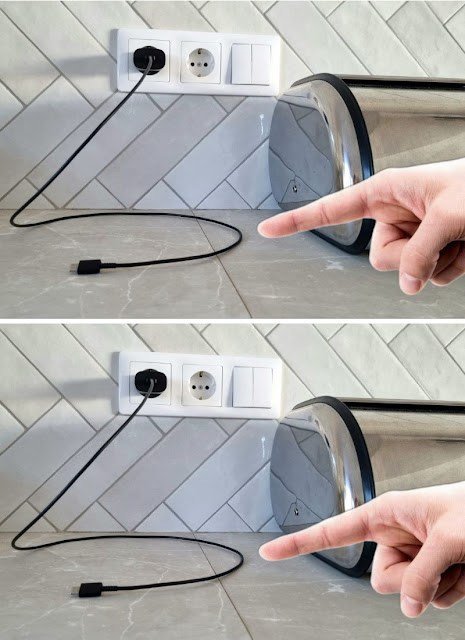
Never Leave a Charger in an Outlet Without Your Phone: 3 Important Reasons
In modern homes, phone chargers are everywhere—next to the bed, near the couch, in the kitchen, and even in offices. Because we use our phones constantly, it’s common to leave chargers plugged into the wall all day, even when the phone isn’t connected. Many people assume this habit is harmless. After all, the charger is small, and it seems inactive without a device attached.
However, leaving a charger plugged into an outlet without your phone may not be as harmless as it seems. Electrical experts and safety organizations such as National Fire Protection Association often remind consumers that even small electronic accessories can pose risks if used carelessly.
While modern chargers are generally designed with safety features, unplugging them when not in use can help reduce several potential issues. Here are the three main reasons why it’s better not to leave your charger plugged in unnecessarily.
1. It Still Consumes Electricity
Many people believe that a charger only uses electricity when it is actively charging a device. In reality, chargers continue to draw a small amount of power as long as they are plugged into the outlet. This is known as “phantom power” or “standby power.”
Even though the energy consumption is small, it is still happening continuously. Over weeks, months, and years, the electricity used by idle chargers can add up—especially when multiple chargers are plugged in throughout the house.
Common examples of devices that use standby power include:
- phone chargers
- laptop chargers
- televisions
- gaming consoles
- microwaves with digital clocks
While a single charger may only use a tiny amount of energy, many households have several chargers plugged in at all times. Unplugging them when they are not in use is a simple way to reduce unnecessary energy consumption and slightly lower electricity bills.
2. Chargers Can Overheat
Another reason to avoid leaving chargers plugged in is the possibility of overheating.
When a charger remains connected to an outlet, electricity continues flowing through the internal components. Over time, this can cause the charger to become warm, particularly if:
- the charger is old or damaged
- it is made with low-quality components
- it is placed in a poorly ventilated area
- it is covered by bedding, clothing, or furniture
Cheap or counterfeit chargers can be especially risky. Some poorly manufactured chargers lack proper safety protections such as temperature control or surge protection.
In rare cases, overheated chargers may melt, emit a burning smell, or even start a small electrical fire. This is why electrical safety experts strongly recommend using certified chargers from reputable manufacturers.
Unplugging the charger when it’s not needed helps eliminate this risk.
3. It Can Reduce the Lifespan of the Charger
Keeping a charger plugged in all the time can slowly wear out its internal components.
Chargers contain electronic circuits that convert household electricity into the lower voltage needed to charge phones and other devices. When the charger remains plugged in continuously, these components remain active and experience constant electrical stress.
Over time, this can lead to:
- reduced charging efficiency
- slower charging speeds
- internal component wear
- eventual charger failure
If you’ve ever noticed a charger that suddenly stops working or charges devices inconsistently, constant use could be one of the reasons.
Unplugging the charger when it’s not in use can help extend its lifespan and maintain better performance.
Additional Safety Concerns
Besides energy use, overheating, and wear, leaving chargers plugged in may also pose other safety concerns.
Power Surges
Electrical surges caused by storms or fluctuations in the power grid can damage electronic devices connected to outlets. A charger plugged into the wall may be affected by these sudden spikes in voltage.
Using surge protectors or unplugging electronics during storms can help protect them from damage.
Risks for Children and Pets
Chargers left plugged into outlets may also be tempting for curious children or pets.
Children might pull on cables or touch exposed parts, while pets may chew on cords. This can lead to electrical hazards, damaged chargers, or injury.
Keeping chargers unplugged and stored safely helps reduce these risks.
Signs That a Charger Should Be Replaced
Whether you leave your charger plugged in or not, it’s important to recognize when it is no longer safe to use.
Replace your charger if you notice:
- frayed or damaged cables
- loose connections
- sparks when plugging in
- unusual heat
- burning smells
- discoloration or melted plastic
Using damaged chargers can significantly increase the risk of electrical accidents.
Good Charging Habits
Developing safe charging habits can help protect your devices, your home, and your energy consumption.
Consider these simple tips:
- Unplug chargers when they are not in use
- Avoid covering chargers with blankets or pillows
- Use certified chargers from trusted brands
- Keep chargers away from water and moisture
- Replace worn or damaged cables immediately
- Use surge protectors for valuable electronics
These small habits can make a big difference in long-term safety.
Are Modern Chargers Safer?
Most modern chargers include built-in safety mechanisms that limit overheating and regulate electricity flow. Many chargers automatically reduce their power consumption when no device is connected.
However, not all chargers are created equal. Low-cost or counterfeit chargers may lack proper protection systems.
Because of this, many electrical safety professionals still recommend unplugging chargers whenever possible.
Final Thoughts
Leaving a phone charger plugged into an outlet without a device may seem harmless, but it can lead to unnecessary energy use, possible overheating, and gradual wear on the charger itself. Although the risks are generally small, practicing safe habits can help prevent potential problems.
By simply unplugging chargers when they’re not in use, you can conserve energy, extend the life of your charger, and reduce potential safety hazards in your home.