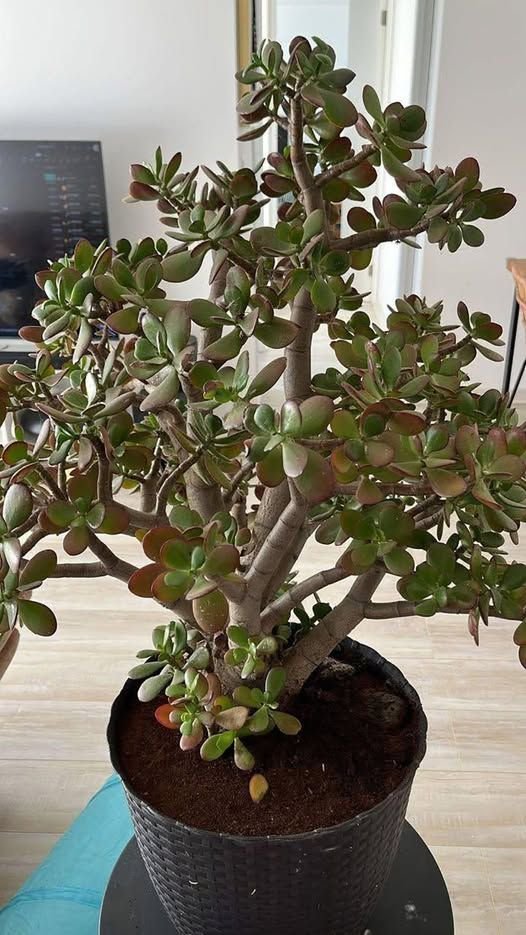
Many People Have a Money Tree in Their Homes, But Few Know Its True Secrets
The money tree is one of the most popular houseplants in the world. Many people keep it in their homes or offices because it is believed to bring luck, prosperity, and positive energy. While it is widely known as a decorative indoor plant, the money tree also carries fascinating symbolism, cultural meaning, and surprising care secrets that many owners do not know.
Understanding the deeper story behind this plant can make owning one even more special.
What Is the Money Tree?
The plant commonly called the money tree is scientifically known as Pachira aquatica. It is a tropical plant native to Central and South America and thrives in warm, humid environments.
It is easy to recognize because of its:
- Braided trunk
- Bright green, glossy leaves
- Elegant umbrella-like shape
The braided trunk is usually created by growers who carefully intertwine several young stems together while the plant is still flexible. As the plant grows, the trunks harden into the beautiful braided form many people recognize.
Why It Is Called the Money Tree
The money tree gained its reputation from the principles of Feng Shui, an ancient Chinese practice that focuses on arranging environments to create harmony and attract positive energy.
According to Feng Shui traditions, the money tree symbolizes:
- Wealth
- Good fortune
- Financial growth
- Prosperity
The five leaves often found on each stem are believed to represent the five elements: earth, water, fire, wood, and metal. When balanced together, these elements are thought to bring harmony and abundance.
Because of this symbolism, money trees are often placed in homes, offices, and businesses.
The Famous Legend Behind the Money Tree
A popular legend tells the story of a poor farmer who prayed for prosperity. One day, he discovered a strange plant in his field. Seeing opportunity, he took the plant home and began cultivating and selling its seedlings.
The plant sold very well, and the farmer eventually became wealthy. He believed his success came from the plant, and it became known as the money tree.
While this story is more folklore than fact, it helped spread the plant’s reputation as a symbol of luck.
The Best Place to Put a Money Tree
According to Feng Shui traditions, the placement of a money tree can influence the energy in your home.
Common recommended locations include:
Living Room
Placing the plant in the living room is believed to attract positive energy for the entire household.
Home Office or Workspace
Many people keep a money tree near their desk to encourage financial success and career growth.
Entrance Area
Placing the plant near the entrance of a home may symbolize welcoming prosperity.
However, regardless of beliefs, the most important factor is placing it somewhere with indirect sunlight where the plant can grow well.
Surprising Benefits of Having a Money Tree
Besides its symbolic meaning, the money tree offers several practical benefits.
1. Improves Indoor Air Quality
Like many houseplants, the money tree helps freshen indoor air by absorbing carbon dioxide and releasing oxygen.
2. Creates a Calming Atmosphere
Green plants are known to reduce stress and create a more relaxing environment in homes and offices.
3. Easy to Maintain
One reason the money tree is so popular is that it is very beginner-friendly.
Money Tree Care Secrets
Many people own a money tree but unknowingly care for it incorrectly. Here are some important tips.
Light
Money trees prefer bright, indirect sunlight. Too much direct sunlight can burn the leaves, while very low light can slow growth.
Water
One of the most common mistakes is overwatering.
Water only when the top 2–3 cm of soil feels dry. The roots do not like to sit in soggy soil.
Temperature
Money trees thrive in temperatures between 18–26°C (65–80°F).
Avoid placing them near cold drafts or air conditioning vents.
Humidity
Because they are tropical plants, money trees appreciate moderate humidity. Occasionally misting the leaves can help.
Signs Your Money Tree Is Unhappy
Your plant will usually show clear signs if something is wrong.
Yellow leaves
Often caused by overwatering.
Drooping leaves
Can indicate underwatering or sudden temperature changes.
Brown leaf edges
Usually a sign of low humidity or too much direct sun.
Adjusting watering and light conditions usually solves these problems quickly.
Fun Facts About the Money Tree
- The plant can grow over 60 feet tall in the wild.
- It is also sometimes called Guiana chestnut.
- In some cultures, it is a popular gift for new businesses.
- The braided trunk is man-made, not natural.
Final Thoughts
The money tree is more than just a beautiful houseplant. With its striking braided trunk, lush green leaves, and rich cultural symbolism, it has become a favorite decoration in homes and offices around the world.
Whether you believe in its reputation for attracting prosperity or simply enjoy its tropical beauty, the money tree is a wonderful addition to any indoor space. With proper care, this unique plant can thrive for many years, bringing a touch of nature and positive energy into your home.