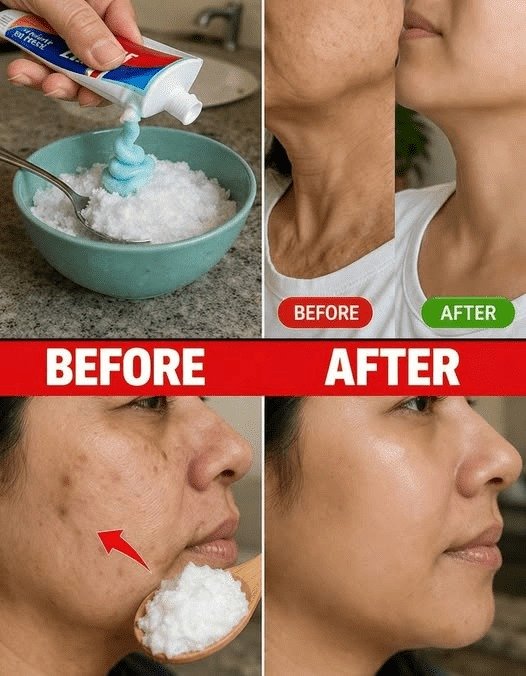
How Toothpaste Can Improve the Appearance of Age Spots and Wrinkles Naturally
In the world of home beauty remedies, many everyday household items have gained popularity for their surprising uses in skincare routines. One of the most talked-about items is toothpaste. While it is traditionally used for oral hygiene, some people claim that certain types of toothpaste may help improve the appearance of age spots and wrinkles when used carefully as part of a beauty routine.
Although toothpaste is not a replacement for professional skincare treatments, the ingredients found in some formulas may temporarily tighten the skin or gently exfoliate the surface. This article explores why toothpaste is sometimes used in DIY beauty routines, how it may affect the appearance of age spots and wrinkles, and how to use it safely if you decide to try this popular home remedy.
Understanding Age Spots and Wrinkles
Before discussing toothpaste as a beauty trick, it’s helpful to understand what causes age spots and wrinkles.
Age spots, also called sun spots or liver spots, are flat dark patches that usually appear on areas frequently exposed to sunlight, such as the face, hands, shoulders, and arms. They develop when melanin, the pigment responsible for skin color, becomes concentrated in certain areas.
Wrinkles, on the other hand, are lines or creases that form in the skin as we age. They appear due to several factors, including:
- natural loss of collagen and elastin
- sun exposure
- dehydration
- environmental damage
- repetitive facial expressions
While aging is inevitable, many people look for affordable ways to reduce the appearance of these signs of aging.
Why Toothpaste Is Used in Home Beauty Remedies
Toothpaste contains several ingredients that may have temporary cosmetic effects on the skin. These ingredients are designed to clean and polish teeth, but some people believe they can also affect the skin’s surface.
Common ingredients in toothpaste include:
- baking soda
- mild abrasives
- hydrogen peroxide (in some whitening formulas)
- menthol or peppermint
- silica
These components may help cleanse, exfoliate, or slightly tighten the skin when used sparingly.
However, it’s important to remember that toothpaste was designed for teeth, not skin, so results can vary widely.
Potential Benefits for Skin Appearance
Although scientific research on this specific use is limited, some people report cosmetic benefits when using small amounts of toothpaste on certain areas of the skin.
Temporary Skin Tightening
Some toothpaste formulas create a mild drying effect when applied to the skin. As the product dries, it can make the skin feel tighter, which may temporarily reduce the appearance of fine lines and wrinkles.
This effect is similar to certain tightening face masks that temporarily firm the skin.
Gentle Exfoliation
Certain toothpaste ingredients act as mild abrasives that help remove surface buildup.
When applied gently, this may help remove dead skin cells from the surface of the skin. Exfoliation can sometimes make the skin appear brighter and smoother, which may slightly reduce the visibility of age spots.
Oil Reduction
Toothpaste can also absorb excess oil from the skin. This property is why it is sometimes used in DIY remedies for blemishes or oily areas of the face.
Reducing oil buildup may make the skin appear cleaner and more balanced.
How to Try This Method Safely
If you are curious about this home remedy, it’s essential to use it cautiously to avoid irritation.
Step 1: Choose the Right Toothpaste
Use a plain white toothpaste rather than gel varieties or strongly flavored formulas. Avoid products containing strong whitening chemicals or heavy fragrances.
Simple formulas tend to be gentler on the skin.
Step 2: Perform a Patch Test
Before applying toothpaste to your face, test it on a small area of skin, such as the inside of your wrist or behind your ear.
Wait 24 hours to see if redness or irritation occurs.
Step 3: Apply a Small Amount
Place a tiny amount of toothpaste on the targeted area, such as a small wrinkle or dark spot.
Gently spread a thin layer and leave it on the skin for about 5 to 10 minutes.
Step 4: Rinse Thoroughly
Wash the area with lukewarm water and gently pat the skin dry with a clean towel.
After rinsing, apply a moisturizer to restore hydration to the skin.
Step 5: Limit Use
Because toothpaste can be drying, this method should only be used occasionally, not as a daily skincare routine.
Using it too frequently may cause irritation or dryness.
Possible Side Effects
While some people report mild cosmetic benefits, toothpaste can also irritate sensitive skin.
Possible side effects include:
- redness
- dryness
- peeling
- skin irritation
- burning sensation
If any discomfort occurs, wash the area immediately and discontinue use.
People with sensitive skin, rosacea, or eczema should avoid applying toothpaste to their skin.
More Effective Natural Alternatives
While toothpaste may provide temporary effects, other natural skincare practices are generally safer and more beneficial for long-term skin health.
Aloe Vera
Aloe vera is widely used to hydrate the skin and support natural repair processes.
Vitamin C
Vitamin C helps brighten the skin and may improve the appearance of uneven pigmentation.
Coconut Oil
Coconut oil can help moisturize dry skin and support a smoother appearance.
Honey
Honey has natural moisturizing and soothing properties that may benefit the skin.
Healthy Habits That Help Reduce Wrinkles and Age Spots
In addition to topical treatments, daily habits play a major role in skin appearance.
Some helpful practices include:
- wearing sunscreen daily
- staying hydrated
- eating antioxidant-rich foods
- getting enough sleep
- avoiding excessive sun exposure
These habits support skin health from the inside out.
The Bottom Line
Using toothpaste as a beauty trick for age spots and wrinkles is a popular home remedy that some people experiment with due to its drying and exfoliating properties. While it may temporarily tighten the skin or brighten its appearance, it is not a scientifically proven anti-aging treatment.
If you choose to try it, do so carefully and sparingly to avoid irritation. For long-term skin improvement, a consistent skincare routine, sun protection, and healthy lifestyle habits remain the most reliable ways to support youthful, healthy-looking skin.