What to Eat to Reduce Nail Ridges: A Nutrition Guide for Healthier Nails
Have you ever looked closely at your fingernails and noticed vertical or horizontal ridges running across the surface? Nail ridges are quite common, and while they’re often harmless, they can sometimes signal that your body needs more of certain nutrients. Just like your skin and hair, your nails reflect your overall health and diet.
If you want smoother, stronger nails, the solution may start on your plate. Eating nutrient-rich foods can help support nail growth, improve nail texture, and reduce the appearance of ridges over time. This guide explains what nail ridges mean and what foods can help nourish your nails from the inside out.
Understanding Nail Ridges
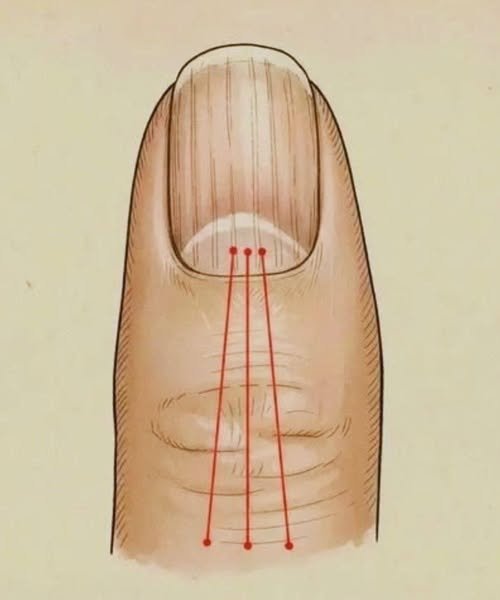
Nail ridges are lines or grooves that run vertically from the cuticle to the tip of the nail or horizontally across the nail plate.
Vertical ridges are the most common and often appear as part of the natural aging process. However, they can also be related to dehydration or mild nutritional deficiencies.
Horizontal ridges, sometimes called Beau’s lines, may indicate more significant stress on the body, illness, or nutrient deficiencies.
While nail ridges don’t usually require medical treatment, improving your diet can help strengthen the nail structure and encourage smoother growth.
Key Nutrients That Support Healthy Nails
Healthy nails depend on a steady supply of vitamins, minerals, and protein. The following nutrients are particularly important for reducing nail ridges and improving nail strength.
1. Biotin (Vitamin B7)
Biotin is one of the most important vitamins for nail health. It helps produce keratin, the protein that forms the structure of nails, hair, and skin.
Studies have shown that biotin may help increase nail thickness and reduce brittleness.
Foods rich in biotin include:
-
Eggs
-
Almonds
-
Walnuts
-
Sweet potatoes
-
Avocados
-
Bananas
Adding these foods regularly to your diet can support stronger nail growth over time.
2. Protein
Your nails are primarily made of keratin, a type of protein. If your diet lacks enough protein, nails may become weak, brittle, or develop ridges.
Ensuring adequate protein intake helps your body produce strong nail tissue.
Great protein sources include:
-
Chicken
-
Fish
-
Eggs
-
Greek yogurt
-
Lentils
-
Beans
-
Tofu
Aim to include a good source of protein in every meal to support overall nail health.
3. Iron
Iron deficiency is one of the most common causes of nail problems, including ridges, brittle nails, and spoon-shaped nails.
Iron helps red blood cells deliver oxygen to nail cells, which is essential for healthy growth.
Iron-rich foods include:
-
Spinach
-
Red meat
-
Lentils
-
Chickpeas
-
Pumpkin seeds
-
Fortified cereals
Pair iron-rich foods with vitamin C sources like citrus fruits or bell peppers to improve absorption.
4. Zinc
Zinc plays an important role in cell growth and tissue repair. When zinc levels are low, nail ridges and white spots may appear.
Getting enough zinc supports healthy nail regeneration.
Zinc-rich foods include:
-
Pumpkin seeds
-
Cashews
-
Chickpeas
-
Oats
-
Beef
-
Shellfish
Even small increases in zinc intake can support stronger nails over time.
5. Omega-3 Fatty Acids
Omega-3 fatty acids help keep nails moisturized and flexible. When nails become too dry, ridges and cracks can become more noticeable.
Omega-3s support hydration and reduce inflammation in nail tissues.
Best sources include:
-
Salmon
-
Sardines
-
Chia seeds
-
Flaxseeds
-
Walnuts
Eating fatty fish or plant-based omega-3 foods several times a week can help improve nail appearance.
6. Vitamin A
Vitamin A supports healthy cell growth, which is essential for nail development. Without enough vitamin A, nails may become dry and fragile.
Foods rich in vitamin A include:
-
Carrots
-
Sweet potatoes
-
Spinach
-
Kale
-
Butternut squash
These colorful vegetables are also packed with antioxidants that benefit your skin and hair.
7. Vitamin C
Vitamin C helps your body produce collagen, which supports the structure of nails and surrounding tissues.
It also helps the body absorb iron more effectively.
Vitamin C-rich foods include:
-
Oranges
-
Strawberries
-
Kiwi
-
Bell peppers
-
Broccoli
Adding fresh fruits and vegetables to your meals can help improve nail health naturally.
Hydration Matters Too
Sometimes nail ridges appear simply because the body is dehydrated. Drinking enough water keeps nails flexible and helps prevent dryness and brittleness.
Aim for 6–8 glasses of water daily, and include hydrating foods like cucumbers, watermelon, and leafy greens in your meals.
Sample Nail-Healthy Daily Menu
Here’s an example of a day of eating that supports stronger, smoother nails.
Breakfast:
Greek yogurt with almonds, chia seeds, and fresh berries.
Lunch:
Grilled chicken salad with spinach, avocado, pumpkin seeds, and citrus dressing.
Snack:
Banana with a handful of walnuts.
Dinner:
Baked salmon with roasted sweet potatoes and steamed broccoli.
This combination provides protein, healthy fats, vitamins, and minerals essential for nail health.
Other Tips for Reducing Nail Ridges
Nutrition plays a huge role in nail health, but a few lifestyle habits can also help.
-
Keep nails moisturized with hand creams or natural oils
-
Avoid excessive use of harsh nail products
-
Wear gloves when cleaning or using chemicals
-
Trim nails regularly to prevent breakage
-
Maintain a balanced diet rich in whole foods
Over time, these habits can help nails grow stronger and smoother.
When to See a Doctor
In most cases, nail ridges are harmless. However, if you notice sudden changes in your nails, severe ridging, discoloration, or nail separation, it may be worth consulting a healthcare professional.
Sometimes nail changes can signal underlying health conditions or nutritional deficiencies that require attention.
Final Thoughts
Your nails can reveal a lot about your health. While ridges are often normal, they can sometimes indicate that your body needs more nutrients.
By eating a balanced diet rich in protein, biotin, iron, zinc, vitamins, and healthy fats, you can support stronger nails and reduce the appearance of ridges over time.