What Is Normal Blood Pressure for Each Age Group?
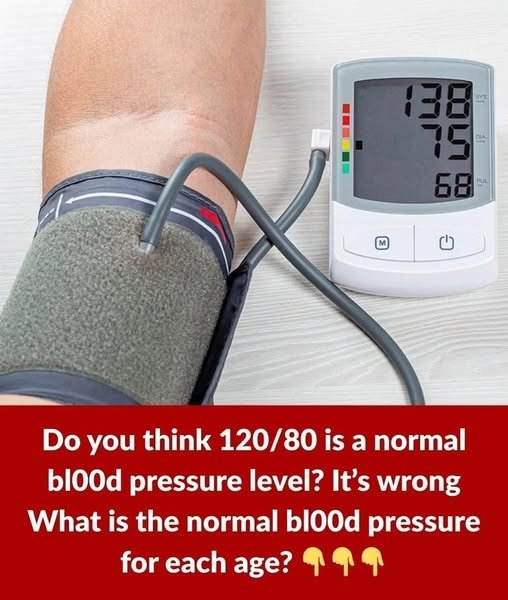
Blood pressure is a key indicator of heart health, and understanding what’s “normal” can help you monitor your well-being over time. While there isn’t a completely different “normal” for every age, recommended ranges can vary slightly depending on age, health status, and medical guidelines.
Blood pressure is measured in millimeters of mercury (mmHg) and recorded as two numbers:
- Systolic (top number): pressure when the heart beats
- Diastolic (bottom number): pressure when the heart rests
General Normal Blood Pressure (Adults)
According to widely accepted guidelines:
- Normal: Less than 120/80 mmHg
- Elevated: 120–129 / less than 80
- High (Hypertension Stage 1): 130–139 / 80–89
- High (Stage 2): 140/90 mmHg or higher
These ranges generally apply to most adults regardless of age.
Blood Pressure by Age Group
Children (1–12 years)
Blood pressure varies based on age, height, and gender.
- Typical range: 90/60 to 110/70 mmHg
Doctors use growth charts to determine what’s normal for each child.
Teenagers (13–18 years)
- Normal range: 90/60 to 120/80 mmHg
Teen blood pressure begins to align with adult standards during this stage.
Young Adults (19–39 years)
- Ideal: Below 120/80 mmHg
This is the stage where maintaining a healthy lifestyle can prevent future hypertension.
Adults (40–59 years)
- Normal: Below 120/80 mmHg
- Slight increases may occur with age, but anything above 130/80 mmHg may require attention
Older Adults (60+ years)
- Target: Often below 130/80 mmHg, depending on overall health
Doctors may allow slightly higher readings in some older adults to avoid dizziness or falls, but this varies individually.
What Is Hypertension?
Hypertension occurs when blood pressure stays consistently high over time. It often has no symptoms but can lead to serious health problems, including:
- Heart disease
- Stroke
- Kidney damage
That’s why regular monitoring is important at every age.
Factors That Affect Blood Pressure
Blood pressure isn’t fixed—it can change based on:
- Stress or anxiety
- Physical activity
- Diet (especially salt intake)
- Weight
- Sleep quality
- Medications
- Genetics
When to Be Concerned
You should consult a healthcare provider if you notice:
- Readings consistently above 130/80 mmHg
- Sudden spikes in blood pressure
- Symptoms like headaches, dizziness, or chest pain
Tips to Maintain Healthy Blood Pressure
- Eat a balanced, low-sodium diet
- Exercise regularly
- Maintain a healthy weight
- Avoid smoking
- Limit alcohol intake
- Manage stress
- Get regular check-ups
Final Thoughts
While ideal blood pressure for most people is below 120/80 mmHg, “normal” can vary slightly depending on age and overall health. The key is consistency—keeping your blood pressure within a healthy range over time.