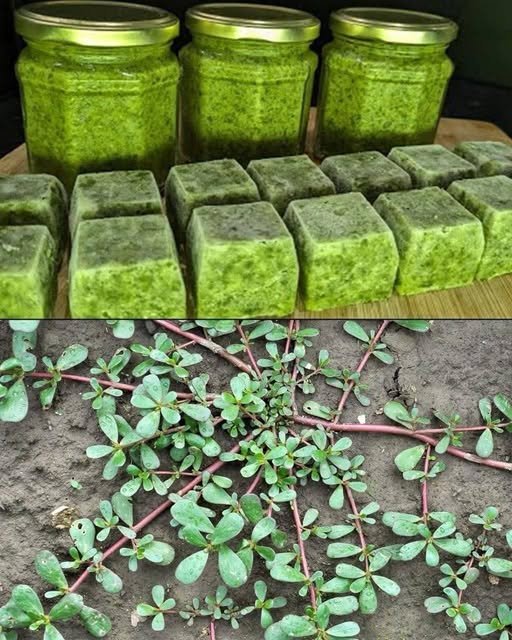
What Happens to Your Body When You Eat Purslane Every Day — Especially After 60
Purslane, often regarded as a simple garden weed, is actually a nutritional powerhouse packed with vitamins, minerals, and beneficial plant compounds. Eating purslane regularly can provide surprising health benefits, especially for adults over the age of 60. Its unique combination of nutrients makes it particularly helpful for bone health, heart health, and cognitive function, which are all key concerns as we age.
What Is Purslane?
Purslane (Portulaca oleracea) is a leafy green succulent with slightly tangy, lemony flavor. Commonly found in gardens and lawns, it is edible and often used in salads, soups, stir-fries, or smoothies. Despite being overlooked in many Western diets, purslane has been a staple in Mediterranean, Middle Eastern, and Asian cuisines for centuries.
Nutritionally, purslane is rich in:
-
Omega-3 fatty acids – rare in plant foods
-
Vitamin A and C – for immunity and skin health
-
Magnesium, potassium, and calcium – essential for bone and muscle function
-
Antioxidants – such as beta-carotene, glutathione, and flavonoids
These nutrients make purslane a perfect addition to a diet aimed at promoting longevity and vitality.
Why Purslane Is Especially Beneficial After 60
As we age, our bodies naturally experience changes that increase the risk of certain health issues. Regular consumption of purslane can help support:
1. Heart Health
Heart disease risk increases with age, and omega-3 fatty acids are known to support cardiovascular health. Purslane is one of the few plant-based sources of ALA (alpha-linolenic acid), a type of omega-3 that helps reduce inflammation, improve circulation, and support overall heart function.
2. Bone Strength
Calcium, magnesium, and vitamin K are all found in purslane. These nutrients are critical for maintaining bone density, which becomes increasingly important after 60 when the risk of osteoporosis rises. Regular intake of purslane can help support stronger, healthier bones.
3. Brain and Cognitive Function
Oxidative stress and inflammation can contribute to cognitive decline in older adults. Purslane contains antioxidants like vitamin C and glutathione, which combat free radicals and may help protect neurons from damage, supporting memory and cognitive function.
4. Digestive Health
Purslane is rich in dietary fiber, which promotes healthy digestion, regulates bowel movements, and supports gut microbiota. Maintaining a healthy gut is essential for nutrient absorption and overall wellness, especially as digestive efficiency can decrease with age.
5. Anti-Inflammatory Effects
Many of the compounds in purslane, including omega-3s and antioxidants, have anti-inflammatory properties. Chronic inflammation is linked to numerous age-related conditions, from joint pain to cardiovascular disease. Eating purslane may help reduce systemic inflammation naturally.
How to Include Purslane in Your Diet
Purslane is versatile and easy to incorporate into daily meals:
-
Raw in salads – Its slightly tangy flavor pairs well with tomatoes, cucumbers, and olive oil
-
Sautéed – Lightly cook with garlic and olive oil for a nutrient-rich side dish
-
In soups and stews – Add purslane near the end of cooking to preserve nutrients
-
Smoothies – Blend raw leaves with fruits and yogurt for a green boost
-
Pickled – Purslane can also be preserved as a tangy addition to meals
For older adults, even a handful of purslane daily can provide meaningful health benefits over time.
Tips for Harvesting and Preparing Purslane
-
Select fresh, tender leaves – Younger leaves are less bitter and more tender.
-
Wash thoroughly – Purslane grows close to the ground and may carry dirt.
-
Avoid overcooking – Heat can degrade some antioxidants and vitamins.
-
Combine with healthy fats – Since omega-3s are fat-soluble, cooking purslane with olive oil can improve nutrient absorption.
Potential Considerations
Purslane is generally safe for daily consumption. However, a few points to keep in mind:
-
Contains oxalates, which may be a concern for individuals prone to kidney stones.
-
May interact with certain medications, such as blood thinners, due to its vitamin K content. Always consult a healthcare provider if you have medical conditions or take prescription drugs.
The Bottom Line
Eating purslane every day, especially after 60, can offer multiple health benefits:
-
Supports heart health and reduces inflammation
-
Strengthens bones and muscles
-
Boosts cognitive function and brain health
-
Improves digestion and gut health
-
Provides a rich source of antioxidants and omega-3s
Including this humble green in your diet is a simple, natural way to nourish your body and support healthy aging. With its versatility and nutrient density, purslane is an easy addition to salads, soups, and other meals that can help promote vitality and longevity.
By incorporating purslane daily, you’re not just adding a leafy green to your plate—you’re giving your body a boost of essential nutrients that can make a meaningful difference, particularly as we age. For adults over 60, this simple habit may support energy, strength, and overall wellness, proving that some of the most effective superfoods are hiding in plain sight.