Understanding Normal Blood Pressure Values: A Complete Guide
Blood pressure is one of the most important indicators of cardiovascular health. It measures the force exerted by your blood against the walls of your arteries as your heart pumps blood throughout your body. Maintaining normal blood pressure is essential for overall health, as abnormal levels can increase the risk of serious conditions such as heart disease, stroke, and kidney problems. Understanding what constitutes normal blood pressure values and how they are measured is the first step in monitoring and maintaining your cardiovascular health.
What Is Blood Pressure?
Blood pressure is expressed as two numbers: systolic and diastolic.
- Systolic Pressure (Top Number): This number represents the pressure in your arteries when your heart beats and pumps blood. It indicates how much force your blood is exerting against the arterial walls during a heartbeat.
- Diastolic Pressure (Bottom Number): This number measures the pressure in your arteries when your heart rests between beats. It reflects how much resistance the blood vessels have when the heart is relaxed.
For example, if your blood pressure is 118/76 mmHg, 118 is the systolic value, and 76 is the diastolic value.
Normal Blood Pressure Values
Health organizations such as the American Heart Association (AHA) categorize blood pressure into several ranges:
| Category | Systolic (mmHg) | Diastolic (mmHg) |
|---|---|---|
| Normal | Less than 120 | Less than 80 |
| Elevated | 120–129 | Less than 80 |
| Hypertension Stage 1 | 130–139 | 80–89 |
| Hypertension Stage 2 | 140 or higher | 90 or higher |
| Hypertensive Crisis | Higher than 180 | Higher than 120 |
Key point: Normal blood pressure is below 120/80 mmHg. Readings above this level may require lifestyle changes or medical evaluation.
Factors That Affect Blood Pressure
Blood pressure is dynamic, meaning it can fluctuate throughout the day due to various factors:
- Physical activity: Exercise temporarily raises blood pressure, but regular activity can improve long-term control.
- Stress: High stress levels can increase blood pressure temporarily.
- Diet: High sodium intake, excessive alcohol, and processed foods can elevate blood pressure.
- Body weight: Being overweight or obese can increase the risk of high blood pressure.
- Age: Blood vessels naturally lose elasticity over time, which can cause systolic pressure to rise.
- Medications and health conditions: Certain medications, hormonal conditions, and kidney problems can influence blood pressure levels.
How to Measure Blood Pressure Accurately
Proper measurement is essential to determine whether your blood pressure is normal. Follow these tips for accurate readings:
- Sit quietly for 5 minutes before measurement.
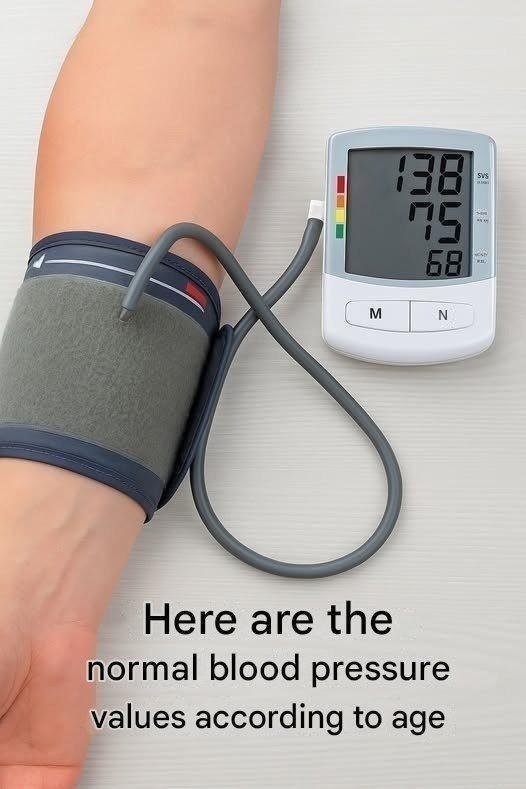
- Use a properly sized cuff on your bare arm, not over clothing.
- Position your arm at heart level and keep your feet flat on the floor.
- Avoid caffeine, smoking, or exercise at least 30 minutes before measuring.
- Take multiple readings at different times of day for a more accurate picture.
Home blood pressure monitors are widely available, but periodic checks by a healthcare professional are recommended to confirm results.
Why Maintaining Normal Blood Pressure Is Important
Maintaining blood pressure within the normal range helps protect your cardiovascular system and reduce the risk of serious health issues:
- Heart health: High blood pressure can strain the heart, leading to heart disease or heart failure.
- Stroke prevention: Elevated blood pressure increases the likelihood of stroke due to blood vessel damage.
- Kidney protection: The kidneys are sensitive to changes in blood pressure; uncontrolled levels can cause kidney disease.
- Overall longevity: Healthy blood pressure contributes to better overall health and longevity.
Lifestyle Tips to Maintain Normal Blood Pressure
Even if your blood pressure is currently normal, it’s important to adopt habits that support long-term heart health:
- Eat a balanced diet: Include plenty of fruits, vegetables, whole grains, and lean proteins. Reduce sodium and processed foods.
- Exercise regularly: Aim for at least 150 minutes of moderate activity per week, such as brisk walking, swimming, or cycling.
- Maintain a healthy weight: Losing excess weight can significantly reduce blood pressure.
- Limit alcohol and avoid smoking: Both can negatively impact blood pressure and cardiovascular health.
- Manage stress: Meditation, deep breathing, yoga, or hobbies can help reduce stress-related spikes.
- Monitor blood pressure regularly: Keep track of readings at home or during doctor visits to detect early changes.
When to Seek Medical Advice
Seek professional evaluation if you notice any of the following:
- Consistently high readings above 130/80 mmHg
- Sudden spikes in blood pressure above 180/120 mmHg (hypertensive crisis)
- Symptoms such as headaches, dizziness, chest pain, or vision changes
Early intervention can prevent long-term complications and improve overall cardiovascular outcomes.
Understanding Blood Pressure Trends
It’s important to consider trends rather than single readings. A single high or low measurement may not indicate a problem, but persistent readings outside the normal range warrant attention. Regular monitoring, combined with healthy lifestyle habits, is the most effective way to maintain normal blood pressure.
Final Thoughts
Normal blood pressure values are essential for maintaining a healthy heart, brain, and kidneys. Ideally, blood pressure should remain below 120/80 mmHg, but even small fluctuations are normal throughout the day. Understanding what is considered normal, learning how to measure accurately, and adopting heart-healthy habits can help prevent complications and support long-term well-being.
By staying informed, monitoring your readings, and making proactive lifestyle choices, you can keep your blood pressure in check and enjoy a healthier, more active life.