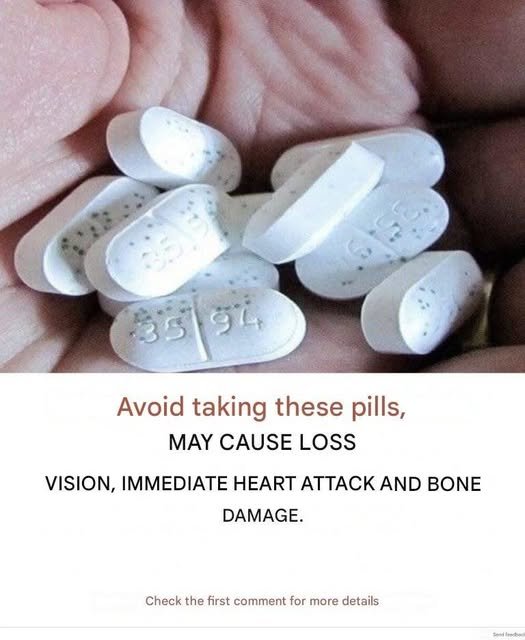
WARNING: These Tablets May Increase Risk of Blood Clots, Thrombosis, and Heart Attacks
Certain medications can have serious side effects that many people aren’t aware of. While tablets are often prescribed to manage pain, inflammation, or hormonal conditions, some have been linked to blood clots, thrombosis, and even heart attacks. It’s critical to know which medications carry these risks, how to recognize warning signs, and what steps to take to protect your health.
⚠️ Why Some Medications Increase Clot Risk
Blood clots form when blood thickens and coagulates in the veins or arteries, potentially blocking blood flow. This can lead to:
- Deep vein thrombosis (DVT): A clot usually in the legs
- Pulmonary embolism (PE): A clot traveling to the lungs
- Heart attack or stroke: When clots block heart or brain arteries
Certain medications can increase clotting risk due to hormonal changes, changes in blood consistency, or interaction with other drugs.
Common Medications Linked to Blood Clots
- Hormonal Contraceptives
- Pills containing estrogen can increase the risk of blood clots, especially in women who smoke or are over 35.
- Hormone Replacement Therapy (HRT)
- Used to manage menopause symptoms, HRT can raise the likelihood of thrombosis.
- Some Painkillers and Anti-Inflammatory Drugs
- Certain NSAIDs (non-steroidal anti-inflammatory drugs) have been associated with increased cardiovascular risk when used long-term.
- Certain Steroids or Immunosuppressants
- Can affect blood flow and clotting mechanisms.
Risk Factors That Increase Danger
Even if you take a medication known for clot risks, other factors can make the problem worse:
- Smoking
- Obesity
- Sedentary lifestyle
- High blood pressure or diabetes
- Family history of clotting disorders
Warning Signs to Watch For
Seek immediate medical attention if you notice:
- Sudden swelling, warmth, or pain in one leg (possible DVT)
- Chest pain, shortness of breath, or rapid heartbeat (possible pulmonary embolism)
- Sudden weakness, numbness, or difficulty speaking (possible stroke)
- Severe discomfort or pressure in the chest (possible heart attack)
How to Reduce Your Risk
- Consult Your Doctor
- Discuss alternatives if your medication carries clotting risks.
- Ask about dosage adjustments or switching to safer options.
- Stay Active
- Regular walking or stretching can improve blood flow.
- Maintain Healthy Weight & Diet
- Avoid excessive processed foods, sugar, and trans fats.
- Include fruits, vegetables, and omega-3 fatty acids.
- Avoid Smoking & Limit Alcohol
- Both increase clotting risk significantly.
- Monitor Blood Pressure and Cholesterol
- Regular checkups can catch cardiovascular risk early.
✅ Key Takeaways
- Some commonly prescribed tablets can increase the risk of blood clots, thrombosis, and heart attacks.
- Risk is higher with hormonal medications, long-term NSAID use, steroids, and in people with pre-existing health conditions.
- Recognizing early warning signs and adopting lifestyle precautions is crucial.
- Always consult your healthcare provider before starting, stopping, or changing any medication.