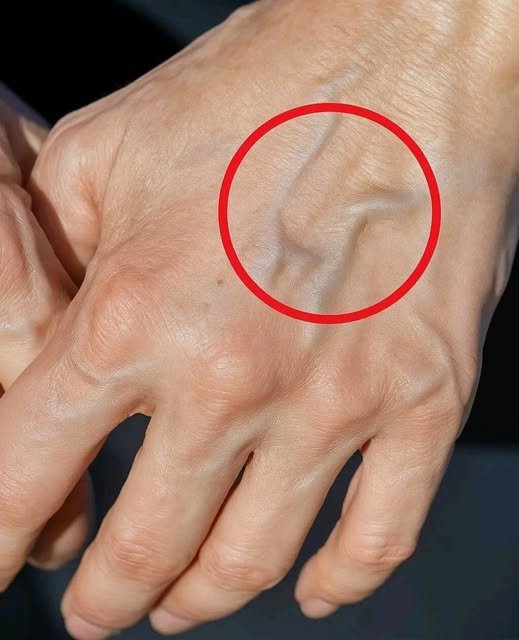
Visible Veins: What They Mean and Why You Might See Them
Visible veins are something many people notice at some point in their lives. Whether it’s the subtle blue lines on your hands, more prominent veins on your arms, or noticeable veins on your legs, this common occurrence can raise questions. Are visible veins normal? Do they signal a health issue? Or are they simply a natural part of your body’s structure?
In most cases, visible veins are completely harmless and influenced by factors like genetics, body composition, and lifestyle. However, understanding why they appear can help you distinguish between what’s normal and when it might be worth paying closer attention.
What Are Visible Veins?
Veins are blood vessels responsible for carrying deoxygenated blood back to the heart. They exist throughout your body, but some are closer to the surface of the skin, making them more noticeable.
When veins become more visible, they may appear blue, green, or purple. This coloring is due to how light interacts with your skin and the blood inside the veins—not because the blood is actually blue.
Common Reasons for Visible Veins
1. Low Body Fat
One of the most common reasons for visible veins is low body fat. When there’s less fat beneath the skin, veins are closer to the surface and easier to see.
This is especially noticeable in:
- Athletes
- Bodybuilders
- People who have recently lost weight
In these cases, visible veins are typically a sign of a lean physique rather than a health concern.
2. Genetics
Some people are simply more prone to visible veins due to inherited traits. Skin thickness, vein size, and overall circulation patterns can all be influenced by genetics.
If your parents or relatives have prominent veins, there’s a good chance you may notice the same.
3. Aging
As you age, your skin naturally becomes thinner and loses elasticity. This makes veins more apparent over time.
Additionally:
- Fat layers beneath the skin may decrease
- Vein walls and valves may weaken slightly
This is why visible veins are more common in older adults.
4. Exercise and Physical Activity
During exercise, your muscles require more oxygen, which increases blood flow. This causes veins to expand temporarily, making them more visible.
Regular physical activity can also lead to long-term vein visibility due to:
- Improved circulation
- Reduced body fat
- Muscle growth pushing veins closer to the skin
This is often referred to as “vascularity” and is common in fit individuals.
5. Heat and Temperature Changes
Warm temperatures cause blood vessels to dilate, allowing more blood to flow near the skin’s surface. This can make veins appear more prominent, especially during hot weather or after a warm shower.
Once your body cools down, veins usually return to their normal appearance.
6. Hormonal Changes
Hormones can influence circulation and blood vessel behavior. For example:
- Pregnancy often increases blood volume, making veins more noticeable
- Hormonal fluctuations may affect vein visibility temporarily
In many cases, these changes are normal and resolve over time.
7. Skin Tone and Thickness
People with lighter or thinner skin may notice veins more easily. With less pigmentation or fewer layers to obscure them, veins naturally appear more prominent.
When Visible Veins Might Indicate a Problem
While most visible veins are harmless, there are situations where they may signal an underlying issue.
Varicose Veins
These are enlarged, twisted veins that often appear on the legs.
Symptoms may include:
- Bulging, rope-like veins
- Aching or heaviness in the legs
- Swelling or discomfort
Varicose veins occur when vein valves weaken, allowing blood to pool instead of flowing properly.
Spider Veins
These are smaller, web-like veins visible near the surface of the skin.
They are usually harmless but may be linked to:
- Hormonal changes
- Prolonged standing
- Circulatory issues
Sudden Changes
If veins suddenly become more prominent along with other symptoms, it may be worth paying attention.
Watch for:
- Pain or tenderness
- Redness or warmth
- Swelling
- Skin changes around the vein
These could indicate inflammation or other vascular concerns and may require medical evaluation.
How to Support Healthy Veins
Even if your visible veins are harmless, maintaining good circulation and vein health is always beneficial.
Helpful habits include:
- Staying physically active
- Maintaining a healthy weight
- Avoiding long periods of sitting or standing
- Elevating your legs when resting
- Staying hydrated
Compression socks may also help support circulation, especially for those who stand for long periods.
Can You Reduce the Appearance of Visible Veins?
If visible veins bother you cosmetically, there are options available:
- Topical treatments: Limited effectiveness but may improve skin appearance
- Lifestyle adjustments: Weight changes or hydration may help slightly
- Medical procedures: Treatments like laser therapy or sclerotherapy can reduce vein visibility
Always consult a qualified professional before considering medical treatments.
Final Thoughts
Visible veins are a natural and often harmless part of the human body. In many cases, they reflect healthy circulation, physical fitness, or genetic traits rather than a problem. However, understanding the reasons behind their appearance helps you stay informed and aware of your body.
If your veins have always been visible, it’s likely just part of your normal physiology. But if you notice sudden changes, discomfort, or unusual symptoms, it’s wise to seek professional advice.
Ultimately, visible veins are more common than many people realize—and in most cases, they’re simply another sign of how your body works beneath the surface.