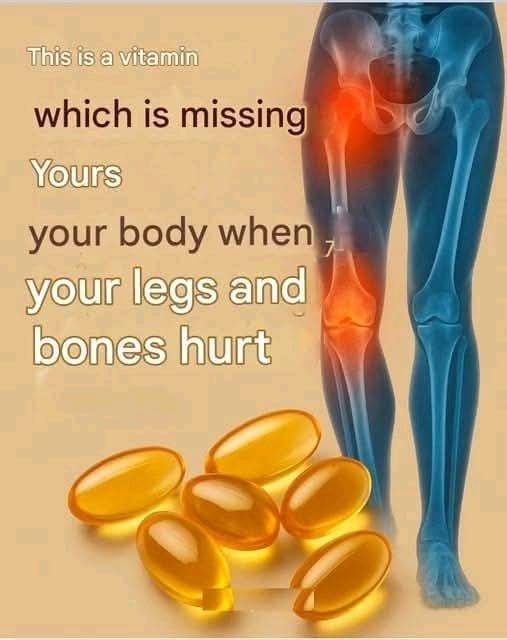
This Is the Vitamin Your Body Is Missing When Your Legs and Bones Hurt
If you’ve been experiencing persistent aches in your legs, sore joints, or a general feeling of weakness in your bones, it may not just be age or fatigue—it could be a sign of a vitamin deficiency. One of the most common culprits behind these symptoms is vitamin D deficiency, a condition that affects millions of people worldwide. This essential vitamin plays a vital role in keeping your bones strong, muscles functional, and overall skeletal system healthy.
Understanding the connection between vitamin D and bone and leg health can help you identify deficiencies early and take action to restore balance in your body.
Why Vitamin D Is Essential for Bone and Muscle Health
Vitamin D, often called the “sunshine vitamin,” is crucial because it enables your body to absorb calcium and phosphorus from the foods you eat. Calcium is the primary mineral in your bones, while phosphorus helps maintain bone structure. Without sufficient vitamin D, your bones can become weak, brittle, or soft, leading to discomfort and an increased risk of fractures.
In addition to its role in bone health, vitamin D is important for muscle function. Low vitamin D levels can lead to muscle weakness, cramps, and fatigue, particularly in the legs. This is why people with a deficiency may experience soreness or heaviness in their lower limbs.
Common Symptoms of Vitamin D Deficiency
Recognizing a deficiency early is key to preventing long-term damage. Symptoms of vitamin D deficiency can include:
-
Persistent leg and bone pain, especially in the lower back, hips, and legs
-
Muscle weakness, fatigue, or cramps
-
Bone tenderness or aching
-
Difficulty walking or climbing stairs
-
Frequent illness due to a weakened immune system
-
Mood changes, such as low energy or feelings of depression
It’s important to note that symptoms may develop gradually, and many people do not realize they are deficient until a blood test confirms it.
Causes of Vitamin D Deficiency
Several factors can contribute to low vitamin D levels:
-
Limited Sun Exposure: Vitamin D is produced naturally in the skin when exposed to sunlight. People who spend most of their time indoors, live in northern climates, or wear clothing that covers most of their skin may produce less vitamin D.
-
Dietary Insufficiency: Few foods naturally contain vitamin D. Fatty fish like salmon and mackerel, egg yolks, and fortified dairy or plant-based milks are good sources, but many people do not consume enough of these foods.
-
Age: As we age, our skin’s ability to produce vitamin D decreases. Older adults are at a higher risk of deficiency.
-
Medical Conditions: Certain health conditions, such as kidney or liver disease, celiac disease, or Crohn’s disease, can impair vitamin D metabolism or absorption.
-
Obesity: Vitamin D is fat-soluble, and excess body fat can reduce its availability in the body.
How Vitamin D Deficiency Affects Bones
Without enough vitamin D, your bones cannot absorb sufficient calcium, which can lead to several skeletal problems:
-
Osteomalacia in Adults: A condition that softens bones and causes aching or tenderness, particularly in the legs, hips, and lower back.
-
Osteoporosis: Long-term vitamin D deficiency contributes to bone density loss, making bones brittle and prone to fractures.
-
Delayed Healing: Low vitamin D levels can slow the body’s ability to repair bone injuries.
Supporting Muscle and Leg Health
In addition to bone problems, vitamin D deficiency can impact muscle performance:
-
Weak or sore leg muscles
-
Increased risk of falls due to reduced muscle strength
-
Fatigue after light physical activity
By maintaining adequate vitamin D levels, you can help improve muscle strength, reduce leg and bone pain, and support overall mobility.
How to Boost Your Vitamin D Levels
1. Sunlight Exposure
Spending just 10–30 minutes in the sun a few times a week can help your body produce enough vitamin D naturally. Fair-skinned individuals may need less time, while those with darker skin may require longer exposure. Remember, sunscreen can reduce vitamin D production, so short, safe exposure is ideal.
2. Dietary Sources
Eating foods rich in vitamin D is essential. Some excellent sources include:
-
Fatty fish (salmon, sardines, mackerel)
-
Egg yolks
-
Fortified milk or plant-based milk alternatives
-
Fortified cereals and orange juice
-
Cheese
3. Supplements
Vitamin D supplements are a safe and effective way to correct deficiencies. Vitamin D3 (cholecalciferol) is generally more effective than D2 (ergocalciferol) at raising blood levels. Dosage should be personalized based on age, lifestyle, and existing blood levels, so consulting a healthcare professional is recommended.
4. Lifestyle Changes
Regular physical activity, especially weight-bearing exercises like walking or resistance training, can improve bone density and strengthen muscles, enhancing the effect of vitamin D on your skeletal system.
When to See a Doctor
If you notice ongoing leg or bone pain, muscle weakness, or other symptoms of vitamin D deficiency, it’s important to speak with a healthcare provider. A simple blood test can measure your vitamin D levels and determine if supplementation or lifestyle changes are needed. Addressing deficiencies early can prevent more serious bone or muscle problems later in life.
Conclusion
Leg and bone pain are not always just a sign of aging—they may indicate a deficiency in vitamin D, an essential nutrient for healthy bones and muscles. By recognizing the symptoms, understanding the causes, and taking proactive steps such as sunlight exposure, dietary adjustments, and supplementation, you can restore your vitamin D levels and support your overall skeletal and muscular health.
Maintaining adequate vitamin D is one of the simplest and most effective ways to protect your bones, reduce leg discomfort, and improve daily energy and mobility. Don’t ignore persistent aches—your body may be asking for this essential vitamin.