The Vein of the Shrimp: A Little-Known Culinary Detail 🍤
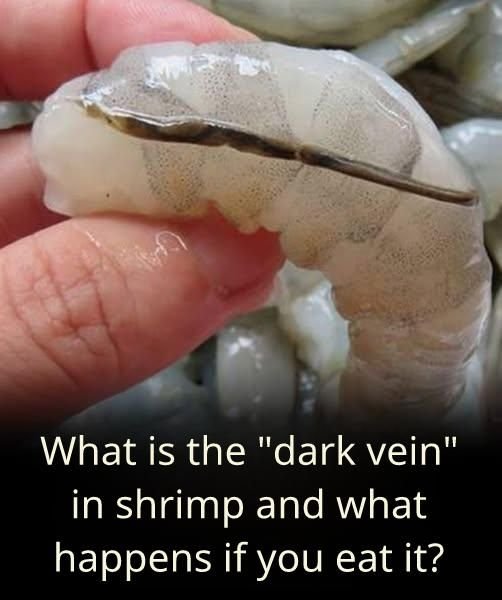
When preparing shrimp at home, many cooks notice a thin dark line running along the back of the shrimp. This line is commonly called “the vein.” While many people remove it during preparation, others leave it in place. Understanding what this vein actually is and when it should be removed can improve both the appearance and taste of your shrimp dishes.
What Is the Shrimp “Vein”?
The dark line on the back of a shrimp is not actually a vein. It is the shrimp’s digestive tract, which contains sand and partially digested food. Because it can sometimes contain grit, many chefs prefer to remove it before cooking.
Removing the vein is commonly referred to as “deveining shrimp.”
Is It Safe to Eat?
Yes, the shrimp vein is generally safe to eat. Cooking kills any bacteria that may be present. However, some people choose to remove it for these reasons:
-
It may contain grit or sand, which affects texture.
-
It can give shrimp a slightly bitter flavor.
-
It improves the appearance of the dish, especially in restaurant-style meals.
For very small shrimp, many cooks simply leave the vein because removing it can be time-consuming and the digestive tract is barely noticeable.
How to Devein Shrimp
Deveining shrimp is quick and simple once you know how to do it.
Step 1: Peel the Shrimp
Remove the shell and legs. You can leave the tail on if you prefer for presentation.
Step 2: Make a Shallow Cut
Using a small knife, make a shallow slit along the back of the shrimp.
Step 3: Remove the Vein
You will see the thin dark line. Use the tip of the knife or a toothpick to gently lift it out.
Step 4: Rinse
Rinse the shrimp under cold water to remove any remaining debris.
What About the Bottom Vein?
Some shrimp also have a lighter line along the underside of the body. This is actually a nerve cord, not a digestive tract. It is completely harmless and usually left in place because removing it is unnecessary.
When Deveining Matters Most
Deveining shrimp is especially recommended when:
-
Preparing large shrimp or prawns
-
Serving shrimp whole for presentation
-
Making dishes where shrimp is the main ingredient
In recipes like shrimp pasta, shrimp cocktail, or grilled shrimp skewers, removing the vein helps create a cleaner and more appealing dish.
When You Can Skip It
In some cases, removing the vein is optional. For example:
-
Very small shrimp
-
Chopped shrimp used in dumplings or fillings
-
Recipes where shrimp is heavily seasoned or sauced
In these dishes, the vein is rarely noticeable.
A Small Detail That Makes a Difference
Although it’s a small step, deveining shrimp can make a noticeable difference in the final dish. It improves the look, texture, and overall eating experience—especially when serving shrimp as the star of the meal.
Understanding small culinary details like this is part of what turns simple cooking into great cooking. Once you know how easy it is to devein shrimp, it becomes a quick habit that can elevate your seafood recipes every time. 🍤✨