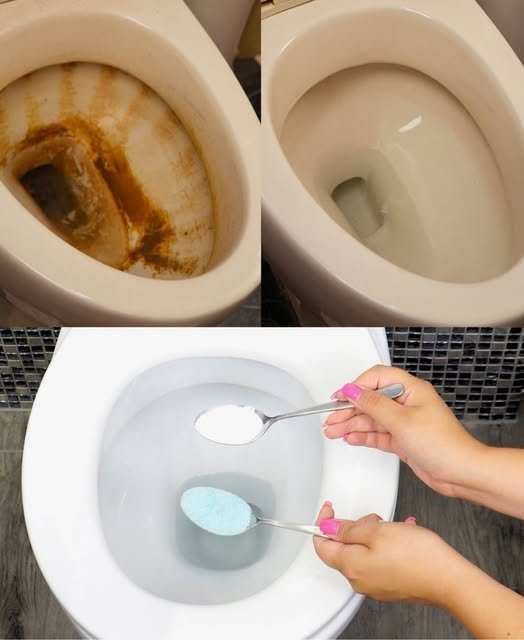
The Stubborn Limescale in the Toilet Disappears with This Ingredient
If you’ve ever stared at your toilet bowl and wondered how to remove that stubborn, crusty layer of limescale, you’re not alone. Limescale is a common household problem, caused by hard water deposits that cling to the porcelain surface over time. It can be unsightly, unhygienic, and frustrating to deal with. Many people resort to harsh chemical cleaners or spend hours scrubbing with little success. But what if there was a simple, natural ingredient that could dissolve limescale effectively, safely, and quickly?
Yes, the secret lies in white vinegar, a powerful household ingredient that has been used for centuries for cleaning, deodorizing, and even disinfecting. With its acidic properties, vinegar works wonders on hard water deposits, breaking down mineral buildup and leaving your toilet sparkling clean.
Why Limescale Forms in Toilets
Before we dive into the solution, it helps to understand why limescale forms in the first place. Limescale is primarily composed of calcium carbonate, which comes from minerals in hard water. When water sits in the toilet bowl or on the rim for extended periods, these minerals start to accumulate, forming white, gray, or yellowish deposits.
Factors that contribute to limescale buildup include:
-
Hard water: Areas with high mineral content in water experience more limescale.
-
Infrequent cleaning: Leaving water and minerals in contact with the toilet surface allows buildup over time.
-
Low flushing frequency: Toilets that aren’t used regularly are more prone to deposits.
Over time, limescale can become stubborn and resistant to regular cleaning. That’s why many people struggle to remove it using standard toilet cleaners.
Why White Vinegar Works
White vinegar is a natural acid, primarily composed of acetic acid, which reacts with the alkaline calcium carbonate in limescale. This chemical reaction breaks down the mineral deposits, loosening them so they can be easily wiped or scrubbed away. Unlike harsh chemical cleaners, vinegar is safe, non-toxic, and environmentally friendly, making it ideal for households with children or pets.
Additionally, vinegar has deodorizing properties, meaning it not only removes limescale but also helps eliminate unpleasant odors that can linger in the toilet bowl.
Step-by-Step Guide to Removing Limescale
Here’s how to use white vinegar to make that stubborn limescale disappear:
1. Gather Your Supplies:
-
White vinegar (distilled)
-
A spray bottle or measuring cup
-
Toilet brush or scrubbing brush
-
Optional: baking soda for extra scrubbing power
2. Apply Vinegar to the Toilet Bowl:
Pour about 2–3 cups of white vinegar directly into the toilet bowl, ensuring it covers the limescale deposits. For tougher buildup under the rim or in hard-to-reach areas, you can soak a cloth in vinegar and place it over the spots.
3. Let It Sit:
Allow the vinegar to work its magic. For light deposits, 30 minutes is sufficient. For stubborn limescale, leave it for several hours or overnight. The longer it sits, the more effectively it dissolves the mineral buildup.
4. Scrub the Bowl:
After soaking, use a toilet brush to scrub the bowl, focusing on areas with the most limescale. You’ll notice that the deposits come off more easily than before. For persistent spots, sprinkle a little baking soda over the area before scrubbing. The combination of vinegar and baking soda creates a fizzy reaction that helps lift even the toughest deposits.
5. Flush and Rinse:
Once the limescale is removed, flush the toilet to rinse away the vinegar and loosened deposits. You may need to repeat the process for very stubborn buildup, but most toilets respond after one treatment.
Additional Tips for Preventing Limescale
While vinegar is excellent for removing limescale, prevention is always better than cure. Here are some tips to keep your toilet limescale-free:
-
Regular Cleaning: Clean your toilet at least once a week to prevent mineral deposits from accumulating.
-
Use Vinegar Regularly: Pour a cup of vinegar into the toilet bowl once a week and let it sit for 10–15 minutes before scrubbing.
-
Install a Water Softener: If your area has extremely hard water, a water softener can reduce limescale buildup throughout your home.
-
Keep the Toilet Dry: Wipe excess water from the rim and bowl when possible, especially in toilets that aren’t used frequently.
The Advantages of Using Vinegar
Using vinegar for limescale removal comes with several benefits:
-
Eco-Friendly: No harsh chemicals are released into the environment.
-
Cost-Effective: Vinegar is inexpensive and widely available.
-
Safe: Non-toxic and safe around children and pets.
-
Multi-Purpose: Beyond toilets, vinegar can clean sinks, showerheads, kettles, and even windows.
-
Deodorizing: Eliminates unpleasant odors while cleaning.
Alternative Ingredients
While vinegar is highly effective, some people also use citric acid, lemon juice, or commercial natural descaling products. Citric acid works similarly to vinegar by dissolving calcium deposits, while lemon juice adds a fresh scent. However, for everyday household use, vinegar remains the most accessible and practical solution.
Final Thoughts
The next time you look at your toilet and dread the stubborn limescale, remember that the solution may be simpler than you think. White vinegar is a natural, safe, and effective ingredient that can dissolve even the toughest mineral buildup. With regular use and proper cleaning techniques, you can keep your toilet sparkling clean, odor-free, and limescale-free without resorting to harsh chemicals.
So yes, the stubborn limescale in your toilet can disappear—all it takes is a little vinegar and some patience. Your bathroom will thank you, and you’ll save time, money, and stress with this simple, proven method.