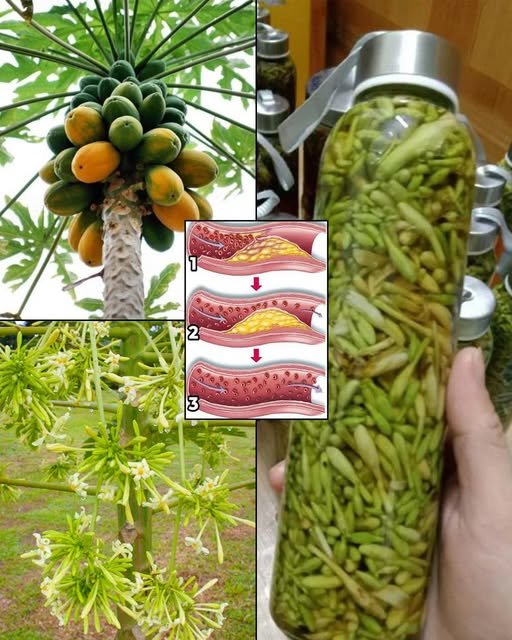
The Real Power of Male Papaya Flowers: Blood Sugar Support, Heart Health & More
When people think of papaya, they usually focus on the sweet fruit. But hidden in plain sight is a lesser-known part of the plant with a long history in traditional medicine: male papaya flowers. Used for generations in parts of Asia, Africa, and the Caribbean, these small, bitter blossoms are valued for their nutritional richness and supportive health properties.
Often brewed into teas or cooked as vegetables, male papaya flowers are gaining renewed attention for their potential role in supporting blood sugar balance, heart health, digestion, and overall wellness.
What Are Male Papaya Flowers?
Papaya plants are unique because they can be male, female, or hermaphrodite. Male papaya plants do not produce fruit, but they grow clusters of long-stemmed flowers that are traditionally harvested for culinary and herbal use.
Male papaya flowers are known for:
-
Their bitter taste
-
High concentration of plant compounds
-
Use in traditional herbal preparations
-
Culinary use in soups, teas, and stir-fries
In many cultures, bitterness is associated with plants that support digestion and metabolic balance.
Nutritional and Bioactive Compounds
Male papaya flowers contain a variety of naturally occurring compounds that contribute to their traditional use:
-
Flavonoids
-
Alkaloids
-
Phenolic compounds
-
Antioxidants
-
Fiber
-
Trace minerals
These compounds are believed to help the body manage oxidative stress and support internal balance.
Traditional Use for Blood Sugar Support
One of the most well-known traditional uses of male papaya flowers is in supporting healthy blood sugar levels. In folk practices, the flowers are often boiled into a tea or lightly cooked and consumed regularly.
Traditionally, they are used to:
-
Support the body’s natural glucose regulation
-
Promote metabolic balance
-
Complement a balanced diet and active lifestyle
Modern interest in these flowers stems from their bitter compounds and antioxidants, which are commonly found in plants used for metabolic support. However, they are not a replacement for medical care or prescribed treatments.
Supporting Heart Health Naturally
Heart health is closely linked to inflammation, oxidative stress, and circulation. Male papaya flowers have long been valued in traditional diets for their heart-supportive qualities.
Their antioxidant content may help:
-
Support healthy blood vessels
-
Assist the body in managing oxidative stress
-
Complement heart-conscious dietary habits
In traditional food systems, these flowers are often paired with garlic, onions, or healthy fats to enhance absorption and flavor.
Digestive and Liver Support
Bitter plants have historically been used to stimulate digestion, and male papaya flowers are no exception.
Traditional uses include:
-
Supporting digestion and appetite
-
Helping the body process fats more efficiently
-
Supporting natural liver detox pathways
The bitterness signals digestive responses in the body, which is why small amounts are typically consumed rather than large portions.
Anti-Inflammatory and Antioxidant Properties
Male papaya flowers contain antioxidants that help protect cells from oxidative damage. Traditional medicine systems value these properties for supporting long-term wellness.
Potential supportive benefits include:
-
Helping the body manage everyday inflammation
-
Supporting immune system balance
-
Promoting cellular health
These benefits are associated with regular, moderate consumption as part of a varied diet.
Traditional Preparation Methods
Papaya Flower Tea
One of the most common preparations:
-
Rinse fresh male papaya flowers thoroughly
-
Boil in water for 10–15 minutes
-
Strain and drink warm
Honey or lemon is often added to balance bitterness.
Cooked as a Vegetable
In some cultures, the flowers are:
-
Stir-fried with garlic and onions
-
Added to soups or stews
-
Lightly boiled and mixed with spices
Cooking reduces bitterness while preserving beneficial compounds.
Herbal Infusions
Dried male papaya flowers are sometimes blended with other herbs to create balanced herbal teas.
Taste and Bitterness: Why It Matters
The bitterness of male papaya flowers is not a flaw—it’s a feature. Bitter plants have long been associated with:
-
Digestive stimulation
-
Appetite regulation
-
Metabolic balance
However, bitterness also means moderation is key. Small amounts are traditionally considered sufficient.
Safety and Responsible Use
While male papaya flowers are widely used in traditional diets, responsible use is important:
-
Use only properly identified male papaya flowers
-
Avoid excessive consumption
-
Not recommended during pregnancy
-
Consult a healthcare professional if managing medical conditions
They are best viewed as a dietary support, not a cure.
Why Interest in Male Papaya Flowers Is Growing
As people look for natural, plant-based ways to support their health, forgotten traditional ingredients are making a comeback. Male papaya flowers are affordable, sustainable, and deeply rooted in cultural knowledge.
Their appeal lies in:
-
Traditional wisdom
-
Nutrient density
-
Culinary versatility
-
Alignment with whole-food lifestyles
Final Thoughts
The real power of male papaya flowers lies in their simplicity. Used for generations, they offer a natural way to support blood sugar balance, heart health, digestion, and overall wellness when consumed responsibly.
They are not miracle cures, but they are a reminder that traditional foods often carry profound value. When paired with a balanced diet, regular activity, and mindful living, male papaya flowers can be a meaningful addition to a natural wellness lifestyle.
Sometimes, the most powerful ingredients are the ones we’ve overlooked for years.