The Psychological Meaning of Leaving Dirty Dishes and Why They Shouldn’t Pile Up
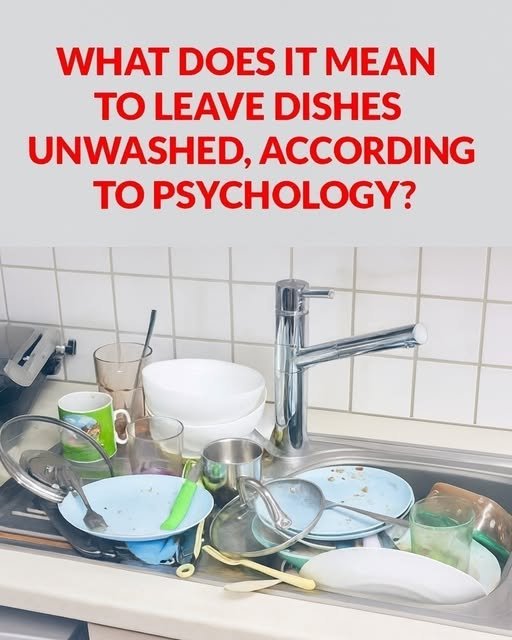
There’s a reason that a pile of dirty dishes can feel more overwhelming than it seems. While it may appear to be a simple household chore, leaving dishes in the sink often reflects deeper psychological patterns—and tackling them can improve both your mental health and your living environment.
Many of us have been there: after a long day, the thought of scrubbing pots and plates seems unbearable. You tell yourself you’ll get to it later, yet the dishes quietly accumulate, turning into a daunting mountain that casts a subtle but real shadow over your home life. What if the reasons behind this behavior aren’t just about laziness but deeper psychological factors?
The Psychology Behind Dirty Dishes
Psychologists and behavioral experts suggest that leaving dishes unwashed can reflect a variety of emotional and cognitive states. Understanding these patterns can help you address the habit more effectively:
1. Procrastination and Avoidance
One of the most common reasons dishes pile up is procrastination. Avoiding unpleasant tasks—like washing dishes—is a normal human response. The longer the task is postponed, the more anxiety it can generate, creating a feedback loop. This avoidance isn’t just about not wanting to clean; it may also signify difficulty facing responsibilities or prioritizing tasks.
2. Overwhelm and Mental Load
A cluttered kitchen often mirrors a cluttered mind. People who feel overwhelmed by life responsibilities may unconsciously let dishes accumulate. When mental energy is low, small tasks like washing dishes can seem insurmountable. In this sense, dirty dishes aren’t just dirt—they are visual reminders of everything else that’s unfinished.
3. Control and Autonomy
Interestingly, leaving dishes can also be an expression of control. In shared households, some individuals may resist cleaning as a subtle way of asserting autonomy. While this isn’t necessarily intentional, the pile-up can reflect underlying tensions about personal space, household responsibilities, or family dynamics.
4. Perfectionism and Decision Fatigue
For perfectionists, the act of cleaning dishes can sometimes be paralyzing. They may fear doing it “wrong” or feel frustrated by the prospect of multiple steps: rinsing, washing, drying, and putting them away. Similarly, decision fatigue—where the brain is exhausted by constant choices—can lead to avoiding even small tasks like washing dishes.
The Hidden Costs of Letting Dishes Pile Up
While leaving dishes may seem harmless, the consequences extend beyond aesthetics.
1. Impact on Mental Health
A cluttered sink is more than an eyesore—it can contribute to stress, anxiety, and a sense of loss of control. Studies in environmental psychology show that messy surroundings can trigger feelings of guilt and decrease focus. In short, every unwashed dish can subconsciously weigh on your mind.
2. Hygiene and Health Risks
Dirty dishes attract bacteria, mold, and pests. Beyond the immediate hygiene risks, the lingering smell and mess can negatively affect your sense of well-being. For families with children or pets, the stakes are even higher, as bacteria can spread quickly.
3. Relationship Strain
In households with multiple members, piling dishes can become a source of tension. One person’s habit of leaving dishes may be perceived as disrespect or laziness by others. Over time, this seemingly minor issue can escalate into arguments or resentment.
4. Reduced Productivity
Cluttered environments can affect productivity. The kitchen is often central to daily routines, and a sink full of dirty dishes can subconsciously disrupt meal prep, routines, and even sleep. Clean, organized spaces promote efficiency and a sense of accomplishment.
Why You Should Address Dirty Dishes Immediately
Addressing dirty dishes is more than just cleaning—it’s a small but significant step toward mental clarity and emotional well-being. Here’s why tackling them promptly is important:
-
Mental Clarity
A clean space provides a sense of control. Washing dishes immediately after use prevents the mental clutter associated with procrastination. It’s a simple act that signals completion, reducing cognitive load. -
Promotes Healthy Habits
Creating a routine around cleaning dishes fosters discipline and mindfulness. Over time, it reinforces other positive habits like tidying up, meal planning, and time management. -
Improves Relationships
Keeping the kitchen clean avoids conflict with roommates, family members, or partners. Mutual respect in shared spaces contributes to healthier household dynamics. -
Enhances Physical Health
Regular cleaning prevents bacteria buildup, bad odors, and pests. It also makes your kitchen safer for cooking and food preparation.
Strategies to Prevent Dish Pile-Ups
Changing this habit doesn’t require extreme measures. Here are some practical tips:
-
Wash Immediately: Make it a rule to wash dishes right after meals. Even rinsing can prevent buildup.
-
Set a Timer: Allocate 10–15 minutes after dinner for dishwashing; consistency makes it easier.
-
Use a Dishwasher Wisely: If you have one, load dishes immediately and run it regularly instead of letting them sit.
-
Divide Responsibilities: In shared homes, rotate dishwashing duties to prevent resentment.
-
Mindful Cleaning: Turn dishwashing into a meditative routine—listen to music or a podcast to make it enjoyable.
The Bottom Line
While dirty dishes might seem like a small issue, they often reflect larger psychological patterns—procrastination, overwhelm, perfectionism, or household dynamics. Beyond their symbolic meaning, letting dishes pile up has real consequences: increased stress, hygiene risks, and strained relationships.
By addressing dishes immediately, you reclaim control over your environment and mind. Small, consistent actions like washing dishes right after meals can create a ripple effect, improving mental clarity, fostering healthy habits, and making your home a more pleasant place to live.
So the next time you’re tempted to leave that plate in the sink “just for now,” remember: each dish is not just dirty—it’s a subtle message from your subconscious that your space (and your mind) deserves attention.