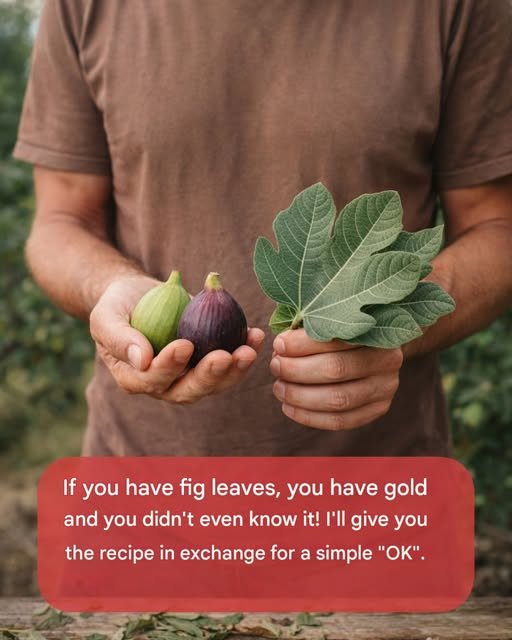
The Power of Fig Leaves: Hidden Benefits in These Overlooked Leaves
Fig trees have been valued for thousands of years, not only for their sweet, nutritious fruit but also for their large, aromatic leaves. While figs often take center stage, fig leaves have quietly played a role in traditional practices across the Mediterranean, Middle East, and parts of Asia. Today, renewed interest in natural wellness has brought attention back to these often-overlooked leaves and their potential benefits.
Fig leaves are not a miracle cure, but they are rich in plant compounds that have made them useful in traditional applications and modern research alike. Understanding their properties, uses, and limitations helps reveal why fig leaves have earned respect across cultures.
A Brief History of Fig Leaves
The fig tree (Ficus carica) is one of the oldest cultivated plants in human history. References to fig leaves appear in ancient texts, folklore, and early medicinal writings. Traditionally, fig leaves were used in:
-
Herbal infusions
-
Food wrapping and cooking
-
Skin applications
-
Cultural and symbolic practices
Their widespread use suggests long-standing recognition of their functional and practical value.
What Makes Fig Leaves Special?
Fig leaves contain a variety of bioactive plant compounds that contribute to their traditional uses.
Key Compounds Found in Fig Leaves
-
Polyphenols – plant antioxidants
-
Flavonoids – compounds associated with cellular protection
-
Furanocoumarins – natural plant chemicals (require careful handling)
-
Fiber and chlorophyll
These compounds help explain why fig leaves have been used historically in wellness traditions, though modern science continues to explore their effects.
Potential Benefits of Fig Leaves
1. Antioxidant Properties
Fig leaves contain antioxidants that help protect plant cells from environmental stress. In dietary contexts, antioxidants from plant sources are generally valued for their role in supporting overall cellular health as part of a balanced diet.
Herbal teas made from fig leaves have traditionally been consumed as a gentle, plant-based beverage rather than a medicinal treatment.
2. Traditional Metabolic Support
In some cultures, fig leaf preparations have been used as part of dietary routines aimed at supporting metabolic balance. While this does not replace medical care, modern interest has focused on how plant compounds may complement healthy lifestyle habits.
It’s important to note that anyone managing blood sugar or metabolic conditions should consult a healthcare professional before using herbal products.
3. Digestive Tradition
Fig leaves have historically been used in digestive-focused herbal practices. The fiber content and plant compounds may contribute to gentle digestive support when used appropriately.
Herbal teas were often consumed after meals, reflecting traditional beliefs around digestive comfort rather than clinical treatment.
4. Skin and External Use
Fig leaves have been used externally in traditional settings, often prepared as washes or compresses. Their natural compounds made them popular in folk practices focused on skin care.
⚠️ Important note: Fresh fig leaves contain furanocoumarins, which can cause skin sensitivity or irritation, especially when exposed to sunlight. Fig leaves should never be applied raw to skin without proper preparation and guidance.
5. Culinary Uses and Flavor
Beyond wellness traditions, fig leaves have culinary value. Their mildly sweet, coconut-like aroma makes them useful as:
-
Natural food wraps
-
Flavoring for rice, fish, or desserts
-
Infusions for syrups or dairy
Cooking with fig leaves transfers aroma rather than consuming the leaves themselves, similar to how bay leaves are used.
Fig Leaf Tea: A Traditional Preparation
One of the most common uses of fig leaves is in herbal tea.
How Fig Leaf Tea Is Traditionally Prepared
-
Dried fig leaves are washed and chopped
-
Steeped in hot water for 10–15 minutes
-
Strained and consumed warm
The flavor is mild and earthy. Tea is typically enjoyed occasionally, not in large quantities.
Safety and Precautions
While fig leaves are natural, they are not automatically risk-free.
Important Safety Notes
-
Fresh fig leaves can irritate skin
-
Excessive consumption is not recommended
-
Not suitable for pregnant or breastfeeding individuals without medical advice
-
May interact with certain medications
Always use dried leaves from a reliable source and consult a healthcare provider before adding new herbal products to your routine.
Modern Interest and Research
Modern research has begun exploring fig leaves for their antioxidant and phytochemical content. While early studies are promising, most findings are preliminary and focused on understanding compounds—not confirming treatments or cures.
Healthcare professionals emphasize that fig leaves should be viewed as a supportive botanical, not a replacement for evidence-based medical care.
Sustainable and Traditional Harvesting
Fig leaves should be harvested responsibly:
-
Choose mature, healthy leaves
-
Avoid overharvesting from a single tree
-
Dry leaves thoroughly before storage
-
Store in a cool, dry place
Respecting the plant ensures both safety and sustainability.
Cultural Significance Beyond Health
Fig leaves also hold symbolic meaning in many cultures, representing:
-
Protection
-
Modesty
-
Abundance
-
Connection to nature
This cultural value adds depth to their historical importance beyond physical uses.
How Fig Leaves Fit Into Modern Wellness
In today’s wellness landscape, fig leaves are best understood as:
-
A traditional botanical with cultural significance
-
A source of plant antioxidants
-
A flavorful culinary element
-
A gentle herbal option when used responsibly
They are not miracle ingredients, but they reflect the broader value of plant-based traditions and mindful consumption.
Final Thoughts
Fig leaves may be hidden in plain sight, but their long history and diverse uses make them worthy of attention. From traditional teas and culinary applications to their antioxidant plant compounds, fig leaves offer insight into how ancient cultures used nature thoughtfully and sparingly.
When approached with respect, proper knowledge, and realistic expectations, fig leaves can be appreciated as part of a broader lifestyle that values tradition, balance, and natural diversity—not as a cure-all, but as a meaningful botanical with a story to tell.