The Most Dangerous Sleeping Position You Didn’t Know About
Sleep plays a vital role in overall health, affecting everything from brain function to heart health. However, many people don’t realize that the position you sleep in can significantly impact your body. While some sleeping positions support proper alignment and breathing, others may contribute to pain, poor circulation, or even long-term health issues.
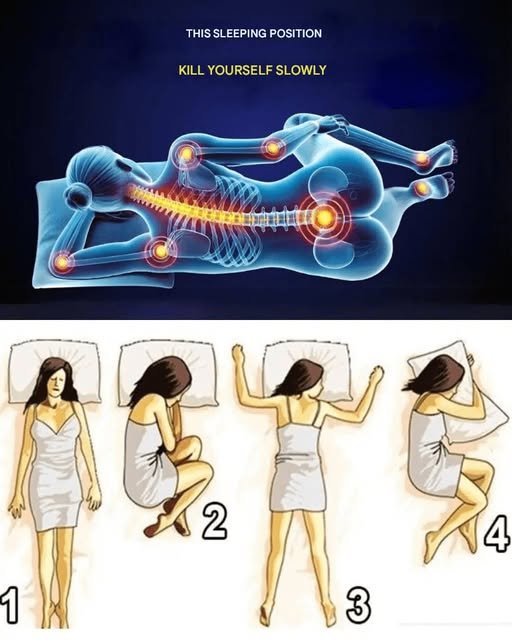
One position that health experts often warn about is sleeping on your stomach. Although some people find it comfortable, it can place unnecessary strain on the neck, spine, and internal organs.
Why Sleeping Position Matters
During sleep, your body repairs tissues, restores energy, and balances hormones. A poor sleeping position can interfere with these processes by placing stress on muscles and joints or restricting normal breathing.
Over time, an unhealthy sleeping posture may contribute to:
- Neck stiffness
- Back pain
- Poor spinal alignment
- Reduced circulation
- Sleep disturbances
Finding a supportive position helps your body relax fully and wake up feeling refreshed.
Why Stomach Sleeping Can Be Problematic
Sleeping on your stomach is often considered the least supportive position for most people. Here are some reasons why it may cause problems.
1. Strain on the Neck
When you sleep on your stomach, your head must turn to one side to allow breathing. This twist forces the neck to remain in an unnatural position for hours, which can lead to stiffness and discomfort.
Over time, this repeated strain may contribute to tension in the neck and shoulders.
2. Poor Spinal Alignment
The natural curve of the spine is designed to support the body evenly. Stomach sleeping often flattens this curve, especially in the lower back, which may cause pressure on the spine.
Health professionals in the field of Orthopedics often emphasize the importance of maintaining spinal alignment during sleep to help prevent back pain.
3. Increased Pressure on Joints
Sleeping face-down places pressure on the hips and abdomen. This pressure can shift the spine out of alignment and create tension in surrounding muscles.
Over time, this can contribute to soreness or discomfort upon waking.
4. Restricted Breathing
When lying on the stomach, the chest is pressed against the mattress. This may make breathing slightly more difficult for some people, particularly if the mattress is soft.
Proper airflow during sleep is important for restful breathing and oxygen circulation.
Better Sleeping Positions for Your Health
While stomach sleeping may not be ideal for most people, there are other positions that can help support the body more effectively.
1. Sleeping on Your Back
Sleeping on your back is often recommended because it keeps the head, neck, and spine in a neutral position. This posture helps distribute weight evenly across the body.
Using a supportive pillow can help maintain proper alignment.
2. Sleeping on Your Side
Side sleeping is one of the most popular and comfortable positions. It may help reduce snoring and improve breathing during sleep.
Many sleep specialists recommend this position for individuals dealing with breathing-related sleep conditions such as Sleep Apnea.
Placing a pillow between the knees can further support spinal alignment.
Tips to Improve Your Sleep Posture
If you tend to sleep on your stomach, switching positions may take time. These tips can help make the transition easier.
Use supportive pillows: Proper neck support can encourage healthier sleep positions.
Choose the right mattress: A mattress that supports natural spinal alignment can reduce pressure points.
Train your body gradually: Try starting the night on your side or back to help your body adjust.
When Stomach Sleeping May Be Necessary
In some cases, people naturally feel most comfortable on their stomachs. If this is the case, you can reduce strain by making small adjustments:
- Use a very thin pillow or no pillow under the head
- Place a small pillow under the hips to support the lower back
- Choose a firmer mattress for better support
These adjustments may help reduce pressure on the spine.
The Importance of Healthy Sleep Habits
Sleeping position is just one part of good sleep hygiene. Other habits that support healthy sleep include:
- Maintaining a consistent bedtime
- Keeping the bedroom dark and quiet
- Avoiding heavy meals before bed
- Limiting screen time before sleeping
Together, these habits help improve sleep quality and overall health.
Final Thoughts
Your sleeping position can have a surprising impact on how your body feels each morning. While stomach sleeping may feel comfortable, it can place strain on the neck, spine, and muscles over time.
By choosing a more supportive position—such as sleeping on your back or side—you may improve spinal alignment, breathing, and overall sleep quality. Small adjustments to your sleep habits can make a big difference in how rested and refreshed you feel each day.