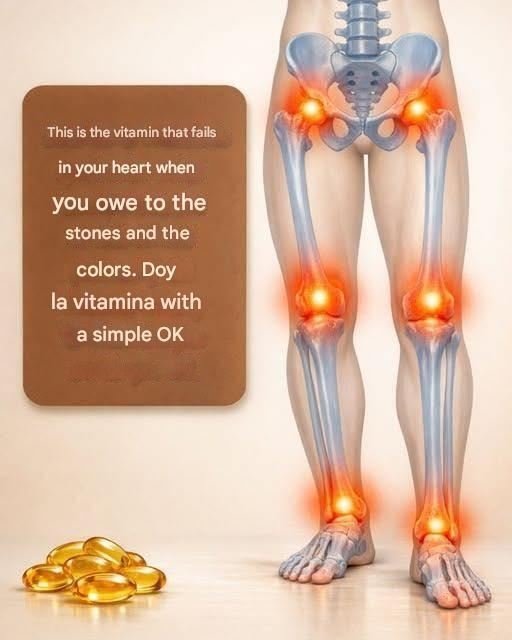
The Essential Vitamin to Relieve Pain in Legs and Bones
Pain in the legs and bones is a common problem that affects people of all ages. Many individuals experience aching legs after a long day, stiffness in their joints, or discomfort in their bones without fully understanding the cause. While there can be many reasons for these symptoms—such as fatigue, physical strain, or certain medical conditions—experts often point to one important nutrient that plays a key role in bone and muscle health: Vitamin D.
Often called the “sunshine vitamin,” Vitamin D is essential for maintaining strong bones, healthy muscles, and overall well-being. When the body doesn’t get enough of this vitamin, it can lead to weakness, bone pain, and discomfort in the legs.
Let’s explore why Vitamin D is so important and how it may help relieve pain in the legs and bones.
Why Vitamin D Is Important for the Body
Vitamin D is a fat-soluble vitamin that plays a crucial role in helping the body absorb calcium and phosphorus, two minerals essential for strong bones and teeth. Without enough Vitamin D, the body cannot properly absorb calcium, which can lead to weaker bones over time.
In addition to supporting bone health, Vitamin D also contributes to:
-
Muscle strength and function
-
Immune system support
-
Nerve function
-
Inflammation regulation
Because of its role in bone metabolism and muscle health, low levels of Vitamin D can sometimes contribute to aches, fatigue, and discomfort in the legs and bones.
How Vitamin D Deficiency Can Cause Leg and Bone Pain
A deficiency in Vitamin D is more common than many people realize. When the body lacks sufficient Vitamin D, calcium absorption decreases, which can weaken bones and affect muscle performance.
Some common symptoms associated with Vitamin D deficiency include:
-
Pain or aching in the bones
-
Muscle weakness
-
Fatigue or low energy
-
Pain in the legs or lower back
-
Increased risk of fractures
In children, severe Vitamin D deficiency can lead to a condition known as rickets, which causes soft and weak bones. In adults, it may contribute to osteomalacia, a condition that results in bone pain and muscle weakness.
Why Leg Pain Is Often Linked to Vitamin D
Many people with low Vitamin D levels report discomfort specifically in their legs. This happens because the muscles and bones in the legs support the body’s weight and are constantly under strain from daily activities such as walking, standing, or climbing stairs.
When Vitamin D levels are insufficient, muscles may become weaker and bones may lose some of their strength. This combination can lead to aching sensations, especially in the thighs, calves, or knees.
For some individuals, the pain may feel like deep bone discomfort rather than surface muscle soreness.
Natural Sources of Vitamin D
The body can obtain Vitamin D in three main ways: sunlight, food, and supplements.
Sunlight
Sun exposure is the most natural way for the body to produce Vitamin D. When ultraviolet rays from the sun reach the skin, they trigger Vitamin D production. Spending about 10–30 minutes in sunlight several times a week may help maintain healthy levels, depending on skin type and climate.
Food Sources
Although few foods naturally contain high amounts of Vitamin D, some good dietary sources include:
-
Fatty fish such as salmon, tuna, and mackerel
-
Egg yolks
-
Fortified milk and dairy products
-
Fortified cereals
-
Mushrooms exposed to sunlight
Including these foods regularly in your diet may help support healthy Vitamin D levels.
Supplements
For individuals who have difficulty getting enough Vitamin D from sunlight or food, healthcare providers may recommend supplements. However, supplements should be taken under medical guidance to avoid excessive intake.
Other Nutrients That Support Bone Health
While Vitamin D is extremely important, it works best when combined with other nutrients that support bone strength and muscle function.
Some important nutrients include:
Calcium
Calcium is the primary mineral responsible for building and maintaining strong bones.
Magnesium
Magnesium helps regulate muscle contractions and supports bone density.
Vitamin K
Vitamin K plays a role in bone metabolism and helps direct calcium to the bones where it is needed.
A balanced diet rich in fruits, vegetables, whole grains, and protein can provide many of these essential nutrients.
Lifestyle Habits That Help Reduce Leg and Bone Pain
In addition to maintaining healthy Vitamin D levels, several lifestyle habits may help support bone and muscle health.
Regular physical activity
Weight-bearing exercises such as walking, jogging, and strength training help maintain bone density and muscle strength.
Healthy diet
Eating nutrient-rich foods provides the vitamins and minerals needed for strong bones.
Adequate hydration
Drinking enough water supports overall body function and muscle health.
Good posture and rest
Proper posture and sufficient sleep can help reduce strain on muscles and joints.
When to Seek Medical Advice
Although Vitamin D deficiency can contribute to leg and bone pain, it is not the only possible cause. Persistent or severe pain may be linked to other health conditions such as arthritis, nerve problems, or injuries.
If you experience symptoms like ongoing bone pain, muscle weakness, or frequent fatigue, it may be helpful to consult a healthcare professional. A simple blood test can determine Vitamin D levels and help guide the best treatment approach.
Final Thoughts
Leg and bone pain can be uncomfortable and disruptive to daily life. While many factors can contribute to these symptoms, maintaining healthy levels of Vitamin D is one important step in supporting strong bones and healthy muscles.
Often referred to as the sunshine vitamin, Vitamin D helps the body absorb calcium, maintain bone strength, and support muscle function. Through regular sunlight exposure, a balanced diet, and proper lifestyle habits, many people can maintain healthy Vitamin D levels and reduce the risk of discomfort in their legs and bones.