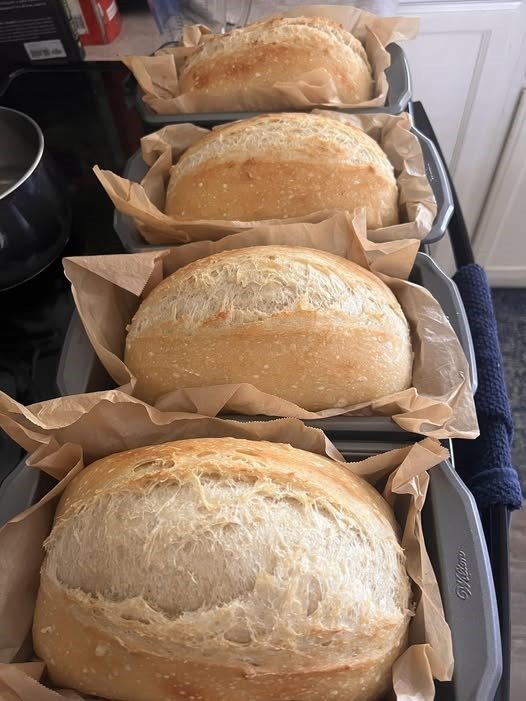
Sourdough Bread: A Timeless Loaf Crafted by Nature
Sourdough bread is one of the oldest and most respected forms of bread-making in the world. With its crisp crust, chewy interior, and distinctive tangy flavor, sourdough stands apart from modern yeast breads. Made through natural fermentation rather than commercial yeast, sourdough bread represents patience, tradition, and the beauty of simple ingredients transformed by time.
In recent years, sourdough has experienced a global revival as more people seek wholesome foods, traditional techniques, and deeper flavors. Whether enjoyed fresh from the oven or toasted with butter, sourdough bread offers nourishment, character, and craftsmanship in every slice.
What Is Sourdough Bread?
Sourdough bread is made using a sourdough starter—a living culture of wild yeast and beneficial bacteria created from flour and water. This natural starter replaces commercial yeast, allowing the dough to ferment slowly.
During fermentation, wild yeast causes the bread to rise, while lactic acid bacteria produce organic acids that give sourdough its signature tangy taste and improved keeping qualities. The result is a loaf that is flavorful, complex, and naturally preserved.
A Brief History of Sourdough
Sourdough bread dates back thousands of years and is believed to be the earliest form of leavened bread. Ancient civilizations relied on wild fermentation long before commercial yeast existed. From ancient Egypt to medieval Europe, sourdough was the foundation of everyday bread.
Even today, many traditional cultures maintain sourdough baking as part of their culinary heritage. Famous regional styles, such as San Francisco sourdough, highlight how local microbes influence flavor, making each sourdough loaf truly unique.
Why Sourdough Bread Is Special
Sourdough bread stands out for several important reasons:
-
Natural fermentation without additives
-
Complex, tangy flavor that develops over time
-
Chewy crumb and crisp crust
-
Longer shelf life compared to regular bread
-
Artisan appearance with rustic character
Each loaf reflects the baker’s environment, technique, and care, making sourdough as much an art as it is a food.
Key Ingredients
Traditional sourdough bread requires only a few basic ingredients:
-
Flour: Bread flour or all-purpose flour
-
Water: Clean, preferably filtered
-
Salt: Enhances flavor and controls fermentation
-
Sourdough Starter: A natural leaven
The simplicity of ingredients means quality matters. Many bakers experiment with whole wheat, rye, or ancient grains to create different textures and flavors.
The Sourdough Baking Process
1. Feeding the Starter
The sourdough starter is refreshed with flour and water until active and bubbly. This ensures strong fermentation and proper rise.
2. Mixing the Dough
Flour, water, starter, and salt are combined to form a sticky dough. No kneading machine is required—gentle folding is often enough.
3. Bulk Fermentation
The dough rests for several hours, during which fermentation develops flavor and structure. Stretch-and-fold techniques strengthen the dough naturally.
4. Shaping
Once fermented, the dough is shaped into a round or oval loaf and placed into a basket or bowl for final proofing.
5. Proofing
The dough rises slowly, often overnight in the refrigerator, allowing flavors to deepen even further.
6. Baking
The loaf is baked at high heat, often in a Dutch oven, to create steam. This produces a crisp crust and open crumb.
Flavor and Texture
Sourdough bread is known for its balanced tang, which ranges from mild to pronounced depending on fermentation time. The crumb is typically chewy with irregular air pockets, while the crust is thick, crackly, and deeply golden.
Unlike soft commercial bread, sourdough has structure and substance, making it ideal for sandwiches, toast, and dipping.
Health and Digestive Benefits
Many people prefer sourdough bread for its potential health advantages:
-
Easier digestion due to fermented flour
-
Lower glycemic response than conventional bread
-
Improved mineral absorption
-
Natural preservation without additives
-
May be better tolerated by some with gluten sensitivity (not celiac-safe)
The fermentation process breaks down some gluten and phytic acid, making nutrients more accessible.
Ways to Enjoy Sourdough Bread
Sourdough bread is incredibly versatile and can be enjoyed in many ways:
-
Toasted with butter or honey
-
Used for sandwiches and paninis
-
Paired with soups and stews
-
Served with cheese and charcuterie
-
Made into French toast or bread pudding
Its sturdy texture holds up well to toppings and sauces.
Storage and Shelf Life
Sourdough bread keeps longer than commercial bread thanks to its natural acidity:
-
Store at room temperature for 3–5 days
-
Keep cut-side down or wrapped in cloth
-
Avoid airtight plastic, which softens the crust
-
Freeze slices for long-term storage
To refresh stale sourdough, lightly mist with water and reheat in the oven.
Common Variations
Sourdough bread can be adapted in many delicious ways:
-
Whole wheat sourdough: Nutty and hearty
-
Rye sourdough: Dense with deep flavor
-
Seeded sourdough: Crunchy and nutritious
-
Garlic or herb sourdough: Savory and aromatic
-
Gluten-free sourdough: Made with alternative flours and starter
Each variation brings a new personality to the loaf while preserving the essence of sourdough.
Why Sourdough Endures
Sourdough bread has endured for centuries because it aligns with human rhythm—slow, mindful, and nourishing. It requires attention and patience, but rewards the baker with flavor, texture, and a sense of connection to tradition.
In a fast-paced world, sourdough reminds us that some things are worth waiting for.
Conclusion
Sourdough bread is more than just bread—it is a living food shaped by time, environment, and care. With its bold flavor, rustic beauty, and natural fermentation, sourdough stands as a symbol of traditional baking done right.
Whether baked at home or bought from an artisan bakery, sourdough bread offers depth, nourishment, and timeless appeal. One slice is enough to understand why this ancient loaf continues to capture hearts around the world.