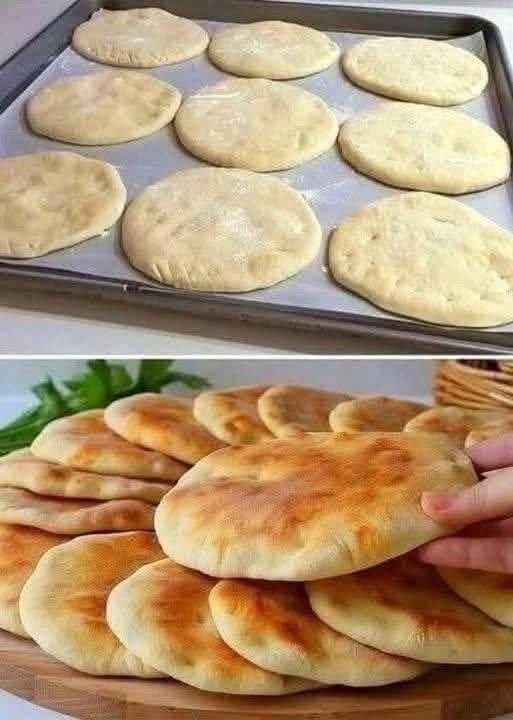
Soft Homemade Skillet Flatbread (Pita Style)
Soft, warm, and incredibly versatile, homemade skillet flatbread pita is one of the easiest breads you can make in your own kitchen. With just a few simple pantry ingredients and a hot skillet, you can create fluffy, tender flatbreads that taste far better than store-bought versions. These breads are perfect for wrapping sandwiches, dipping into hummus, serving alongside soups, or enjoying warm with butter.
Unlike traditional oven-baked pita that requires very high heat, this recipe is cooked entirely in a skillet on the stovetop. The result is a beautifully soft bread with light golden spots and a slightly chewy texture. Best of all, the dough is forgiving and beginner-friendly, making it ideal even if you’re new to baking bread.
In this guide, you’ll learn how to make soft skillet flatbread step by step, along with helpful tips, variations, and serving ideas.
Why You’ll Love This Recipe
This flatbread recipe is popular because it is:
Quick and simple – The dough requires only basic ingredients and minimal kneading.
Cooked on the stovetop – No need to heat the oven or use special baking tools.
Soft and flexible – Perfect for wraps, sandwiches, or dipping.
Budget-friendly – Made with everyday pantry staples.
Better than store-bought – Fresh homemade bread has unbeatable flavor and texture.
Once you make these soft pita-style flatbreads, you may never want to buy packaged bread again.
Ingredients
This recipe makes about 8 soft flatbreads.
3 cups all-purpose flour
1 teaspoon salt
1 tablespoon sugar
2 teaspoons instant yeast
1 tablespoon olive oil
1 cup warm water
1 tablespoon yogurt (optional but recommended)
Yogurt makes the bread extra soft and tender.
Kitchen Equipment
You only need a few basic tools:
- Mixing bowl
- Wooden spoon or spatula
- Rolling pin
- Clean kitchen towel
- Large skillet or cast-iron pan
A cast-iron skillet works especially well because it holds heat evenly and creates beautiful golden spots on the bread.
Step-by-Step Instructions
1. Prepare the Dough
In a large mixing bowl, combine the flour, salt, sugar, and instant yeast. Stir the dry ingredients together so everything is evenly distributed.
Add the warm water, olive oil, and yogurt to the bowl. Mix everything together with a spoon until a soft dough begins to form.
If the dough feels sticky, add a tablespoon of flour at a time until it becomes manageable.
2. Knead the Dough
Transfer the dough to a lightly floured surface. Knead for 8–10 minutes until the dough becomes smooth and elastic.
Kneading develops the gluten in the flour, which gives the flatbread its soft yet chewy texture.
If the dough sticks to your hands, lightly dust it with flour.
3. Let the Dough Rise
Place the dough back in the bowl and cover it with a clean kitchen towel.
Allow the dough to rise in a warm place for about 1 hour, or until it doubles in size.
This resting period allows the yeast to create air bubbles that make the flatbread light and fluffy.
4. Divide the Dough
Once the dough has risen, gently punch it down to release excess air.
Divide the dough into 8 equal pieces. Roll each piece into a smooth ball.
Cover the dough balls with a towel and let them rest for 10–15 minutes. This step makes them easier to roll out.
5. Roll the Flatbreads
Using a rolling pin, roll each dough ball into a circle about 6 inches wide and roughly ¼ inch thick.
Try to keep the thickness even so the flatbreads cook uniformly.
6. Heat the Skillet
Place a large skillet or cast-iron pan over medium-high heat. The pan should be hot but not smoking.
No oil is required, but you can lightly brush the pan with oil if desired.
7. Cook the Flatbread
Place one rolled flatbread into the hot skillet.
Cook for 1–2 minutes until bubbles begin to form and the bottom develops golden brown spots.
Flip the bread and cook the other side for another 1–2 minutes.
The flatbread may puff slightly as it cooks, creating a soft pocket similar to pita bread.
Repeat with the remaining dough.
8. Keep Them Warm
As each flatbread finishes cooking, place it on a plate and cover it with a clean kitchen towel.
This keeps the bread warm and helps maintain its soft texture.
Tips for Perfect Flatbread
Use warm water, not hot water
Hot water can kill the yeast, preventing the dough from rising.
Don’t skip the resting time
Allowing the dough to rest helps create softer bread.
Cook on a hot pan
A properly heated skillet helps the bread puff and develop golden spots.
Keep cooked bread covered
This prevents it from drying out.
Flavor Variations
Once you master the basic recipe, you can easily customize it.
Garlic Butter Flatbread
Brush warm flatbreads with melted butter mixed with minced garlic and parsley.
Whole Wheat Version
Replace half of the all-purpose flour with whole wheat flour for a more rustic flavor.
Herb Flatbread
Add dried oregano, thyme, or rosemary directly into the dough.
Cheese Flatbread
Sprinkle shredded mozzarella or cheddar onto the dough before folding and rolling.
Serving Ideas
Soft skillet flatbread pairs beautifully with many dishes. Try serving it with:
- Hummus or baba ganoush
- Grilled chicken or beef wraps
- Falafel sandwiches
- Soups and stews
- Fresh salads
- Scrambled eggs for breakfast
You can also slice the flatbread into wedges and toast them slightly for dipping.
Storage Tips
Fresh flatbread is best eaten the same day, but it can be stored for later.
Room Temperature:
Keep in an airtight container for up to 2 days.
Refrigerator:
Store for up to 5 days and reheat in a skillet.
Freezer:
Flatbread freezes very well. Place parchment paper between each piece and freeze for up to 2 months.
To reheat, simply warm it in a skillet or microwave for a few seconds.
Final Thoughts
Making soft homemade skillet flatbread pita style is a simple and rewarding kitchen skill. With only a few ingredients and a hot pan, you can create fresh bread that is soft, flavorful, and incredibly versatile.
Whether you use it for wraps, dipping sauces, or alongside your favorite meals, this easy flatbread recipe is sure to become a staple in your kitchen. Once you taste warm, freshly cooked flatbread straight from the skillet, you’ll understand why homemade bread is always worth the effort.