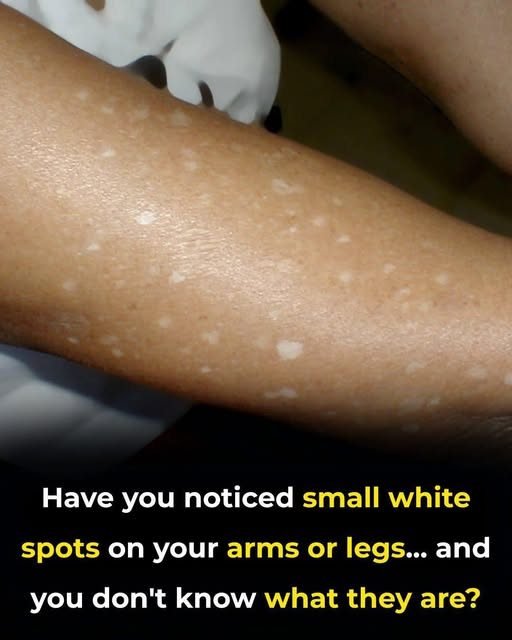
Small White Spots on Skin: What You Need to Know
Noticing small white spots on your skin can be surprising or even worrying at first. These spots may appear on the arms, legs, face, or other areas of the body and can vary in size and number. In many cases, they are harmless and caused by common skin conditions. However, understanding why they appear can help you determine whether they require attention or treatment.
Skin discoloration happens when the body produces less pigment in certain areas. The pigment responsible for skin color is called melanin, and when melanin production changes, lighter patches or spots may appear.
This article explores some of the most common causes of small white spots on the skin, possible treatments, and when it may be helpful to seek medical advice.
1. Sun-Related White Spots
One of the most common reasons for small white spots is prolonged sun exposure. Over time, sun damage can affect the skin’s pigment-producing cells, leading to pale spots that are more noticeable on tanned or darker skin.
These spots often appear on areas frequently exposed to sunlight, such as:
-
Arms
-
Legs
-
Shoulders
-
Face
They are typically harmless but can become more noticeable as the surrounding skin darkens.
Protecting your skin with sunscreen and limiting excessive sun exposure can help prevent further discoloration.
2. Fungal Skin Conditions
Certain fungal infections can cause light or white patches on the skin. One common example is Tinea Versicolor.
This condition occurs when yeast that normally lives on the skin grows excessively, disrupting the skin’s normal pigmentation. The result may be white, pink, or light brown patches that sometimes appear slightly scaly.
These patches often develop on:
-
Chest
-
Back
-
Neck
-
Upper arms
The condition is generally treatable with antifungal creams, medicated shampoos, or oral medications prescribed by a doctor.
3. Loss of Pigment
Another possible cause of white spots is Vitiligo.
Vitiligo occurs when the immune system attacks the cells responsible for producing melanin. This leads to clearly defined white patches on the skin.
These patches can appear anywhere on the body, including the face, hands, elbows, and knees. In some cases, hair in the affected area may also turn white.
Vitiligo is not contagious, but it can spread over time. While there is currently no cure, treatments such as topical medications, light therapy, and skin camouflage techniques may help manage the condition.
4. Small Benign Spots
Tiny white spots may also be caused by harmless skin conditions such as Milia.
Milia are small cysts filled with keratin that form under the skin. They often appear on the face, especially around the eyes and cheeks.
These spots are common in both adults and infants and usually disappear on their own without treatment.
5. Age-Related Skin Changes
As people get older, small white spots can appear due to natural skin aging. One example is Idiopathic Guttate Hypomelanosis.
This condition often causes small, round white spots on areas exposed to sunlight, particularly the arms and legs. It is more common in adults over the age of 40.
These spots are harmless and usually do not require treatment, although cosmetic treatments may be available for those who wish to reduce their appearance.
6. Nutritional Deficiencies
In some cases, changes in skin pigmentation may be linked to nutritional deficiencies. Low levels of certain vitamins and minerals—such as vitamin B12, vitamin D, or calcium—can sometimes affect skin health.
While dietary issues are not the most common cause of white spots, maintaining a balanced diet supports overall skin health and may help prevent certain conditions.
Foods rich in essential nutrients include:
-
Leafy green vegetables
-
Nuts and seeds
-
Dairy products
-
Eggs
-
Fish
-
Whole grains
When to See a Doctor
Most small white spots are harmless, but medical advice may be helpful if you notice:
-
Rapid spreading of spots
-
Itching, scaling, or irritation
-
Changes in skin texture
-
Large patches of depigmented skin
-
Spots that appear suddenly without explanation
A healthcare professional or dermatologist can examine the skin and determine the exact cause. They may use special lights, skin tests, or laboratory analysis to make a diagnosis.
Tips for Maintaining Healthy Skin
Taking care of your skin can help reduce the risk of pigmentation issues and keep your skin looking healthy.
Consider these simple habits:
-
Use sunscreen daily to protect against sun damage
-
Maintain a balanced diet rich in vitamins and minerals
-
Keep your skin clean and moisturized
-
Avoid harsh skincare products that irritate the skin
-
Stay hydrated throughout the day
These practices support healthy skin function and may reduce the appearance of discoloration over time.
Final Thoughts
Small white spots on the skin are quite common and often harmless. They may appear due to sun exposure, fungal infections, natural aging, or other skin conditions.
Understanding the possible causes can help reduce unnecessary worry and guide you toward appropriate care if needed. In most cases, these spots are manageable and do not pose serious health risks.