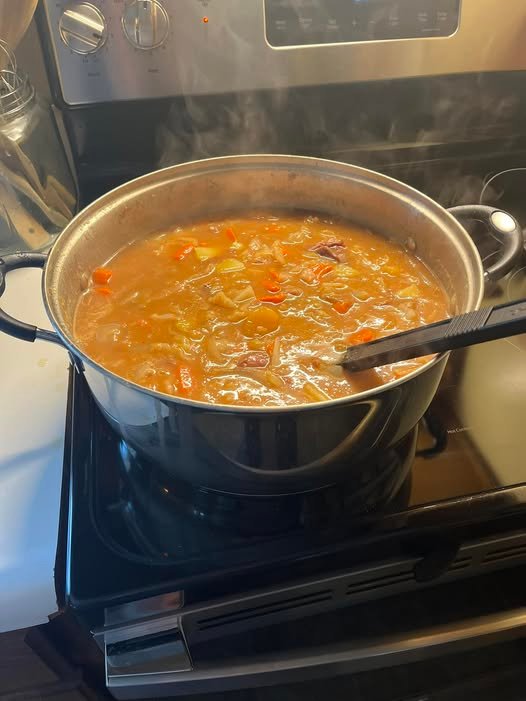
Sick Soup Made with Leftover Salt Beef (Old-Fashioned Healing Comfort)
When you’re feeling under the weather, few things are as comforting as a bowl of simple, savory sick soup. This version, made with leftover salt beef, is rooted in old-fashioned home cooking—the kind passed down through generations when nothing went to waste and food was meant to restore strength.
Salt beef adds deep flavor and natural richness to the broth, making this soup especially soothing when appetite is low, energy is down, or the body needs warmth and nourishment.
Why This Soup Is Perfect When You’re Sick
This soup is intentionally simple, mild, and nourishing. It avoids heavy spices and rich fats, focusing instead on warm broth, soft vegetables, and slow simmering.
Benefits of salt beef sick soup include:
-
Warm, hydrating broth
-
Natural sodium to support hydration
-
Easy-to-digest ingredients
-
Comforting aroma and flavor
-
Uses leftovers efficiently
This is the kind of soup meant to be sipped slowly, even when you don’t feel like eating much.
Ingredients (Serves 4–6)
-
1½ to 2 cups leftover cooked salt beef, chopped or shredded
-
8 cups water or unsalted beef broth
-
2 medium potatoes, peeled and diced
-
2 carrots, sliced
-
1 small onion, finely chopped
-
1 celery stalk, sliced (optional but recommended)
-
1 garlic clove, lightly crushed
-
1 bay leaf
-
Freshly ground black pepper, to taste
-
Optional: small handful of noodles or rice
Note: Do not add extra salt until the end—salt beef already provides plenty.
Step-by-Step Instructions
Step 1: Prepare the Base
In a large pot, add water or unsalted beef broth. Bring to a gentle simmer over medium heat.
Add onion, garlic, celery, bay leaf, carrots, and potatoes. Stir gently and let simmer uncovered for 20–25 minutes, until vegetables are very soft.
Soft vegetables make the soup easier to digest and comforting when appetite is low.
Step 2: Add the Salt Beef
Once vegetables are tender, add the chopped or shredded salt beef.
Lower the heat and simmer for another 15–20 minutes, allowing the beef flavor to fully infuse the broth.
If using noodles or rice, add them now and cook until soft.
Step 3: Adjust and Rest
Taste the soup carefully. Add black pepper if desired. Most of the time, no additional salt is needed.
Remove bay leaf. Let the soup rest for 5–10 minutes before serving—this allows flavors to settle and deepen.
How to Serve Sick Soup
This soup is best served warm, not boiling, especially if you’re congested or have a sore throat.
Serving ideas:
-
With plain crackers
-
With dry toast or bread
-
Sipped from a mug when appetite is low
-
Mashed slightly for a thicker, porridge-like texture
For extra comfort, many people like to mash the potatoes directly in the pot to thicken the soup naturally.
Gentle Variations
Very Light Version
Use more water and fewer vegetables for a clear, sippable broth—ideal for nausea or flu recovery.
Immune-Comfort Version
Add:
-
A slice of fresh ginger
-
A squeeze of lemon before serving
Old-School Healing Style
Add a spoonful of cooked barley for extra body and warmth.
Tips for Best Results
-
Rinse salt beef if very salty – A quick rinse can help balance flavor.
-
Low and slow simmer – Gentle heat keeps broth clear and soothing.
-
Avoid strong spices – Let the beef and vegetables do the work.
-
Use leftovers wisely – This soup is perfect for small portions of leftover meat.
-
Drink the broth – Even if you don’t eat much, the broth itself is nourishing.
Storage and Reheating
-
Refrigerator: Store in an airtight container for up to 3 days
-
Reheating: Warm gently on the stove; avoid boiling
-
Freezing: Freeze without noodles or rice for best texture
Why Salt Beef Works So Well in Sick Soup
Salt beef has been used historically in recovery meals because it:
-
Adds depth without needing heavy seasoning
-
Naturally seasons the broth
-
Provides protein for strength
-
Creates a comforting, savory aroma
Combined with soft vegetables and warm liquid, it forms a soup that feels restorative rather than heavy.
Final Thoughts
This sick soup made with leftover salt beef is the definition of humble, healing food. It’s not fancy, and it doesn’t need to be. It’s about warmth, nourishment, and care—exactly what the body craves when you’re run down.
Whether you’re fighting a cold, recovering from illness, or simply craving something gentle and comforting, this soup delivers slow, steady comfort in every spoonful.
It’s proof that sometimes the best medicine really does come from the kitchen.