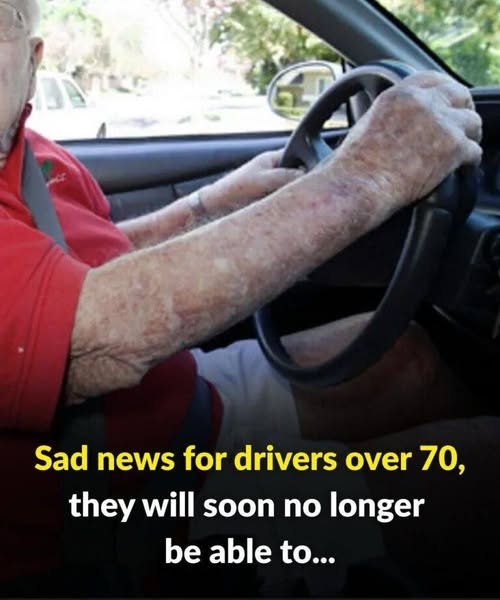
Sad News for Drivers Over 70: New Rules May Change How Seniors Stay on the Road
For many people, driving represents independence, freedom, and the ability to stay connected with family, friends, and everyday activities. However, recent discussions about road safety have sparked concern among older adults, especially drivers over the age of 70. New regulations and proposals being considered in several countries may soon change how seniors renew their driving licenses and prove they are still safe to drive.
While the goal of these changes is to improve safety for everyone on the road, the news has been worrying for many older drivers who rely on their cars for daily life.
Why Driving Matters So Much for Older Adults
For many seniors, driving is more than just a way to get from one place to another. It plays a major role in maintaining independence and quality of life. Being able to drive allows older adults to:
-
Visit family and friends
-
Attend social gatherings or church events
-
Go grocery shopping and run errands
-
Visit doctors and medical appointments
-
Stay active in their communities
Without the ability to drive, some seniors may feel isolated or dependent on others for transportation. That is why any changes to driving regulations for older adults often attract a lot of attention and concern.
What Changes May Be Coming
Authorities in several regions have been discussing new safety measures that may affect drivers over 70. These changes are not meant to punish older drivers, but rather to ensure that everyone behind the wheel is capable of driving safely.
Some of the proposed or existing changes include:
More Frequent License Renewals
In many places, drivers over 70 already have to renew their licenses more often than younger drivers. Instead of renewing every 10 years, they may be required to renew every three years or even more frequently.
Frequent renewal helps authorities check that drivers are still physically and mentally fit to operate a vehicle.
Mandatory Vision Tests
One of the most talked-about proposals involves mandatory eye examinations for older drivers. As people age, eyesight can naturally decline. Clear vision is essential for reading road signs, noticing pedestrians, and reacting to changing traffic conditions.
Under these proposals, drivers over 70 may need to pass an eye test before renewing their license.
Medical Fitness Checks
In some cases, older drivers may also be asked to provide medical confirmation that they are fit to drive. Doctors may evaluate certain health conditions that could affect driving ability, such as:
-
Severe arthritis that affects steering
-
Neurological conditions
-
Cognitive decline
-
Serious vision problems
These checks are designed to ensure that drivers can safely handle a vehicle in real traffic situations.
Why Governments Are Considering These Changes
Road safety experts say that age itself does not automatically make someone an unsafe driver. In fact, many seniors have decades of driving experience and are very cautious behind the wheel.
However, aging can sometimes bring physical or cognitive changes that affect reaction time, coordination, and vision. Because of this, policymakers believe that regular checks may help reduce accidents and make roads safer for everyone.
Statistics in some countries show that certain types of accidents, particularly those involving slower reaction times or difficulty seeing hazards, can increase among older drivers.
The goal of the new measures is not to remove seniors from the road entirely, but to ensure that those who continue to drive are doing so safely.
Not All Older Drivers Will Lose Their Licenses
Despite some alarming headlines online, it is important to understand that most drivers over 70 will still be able to drive. The new rules are mainly focused on regular safety checks rather than automatic restrictions.
Drivers who pass their vision tests and meet the health requirements can continue driving just like before.
In fact, many seniors remain excellent drivers well into their 80s and even 90s. Experience, patience, and cautious habits often make older drivers some of the safest people on the road.
Tips for Older Drivers to Stay Safe
For seniors who want to continue driving for many years, there are several simple steps that can help maintain safety and confidence.
Get Regular Eye Exams
Vision plays a huge role in safe driving. Regular eye checkups can help detect problems early and ensure glasses or prescriptions are up to date.
Stay Physically Active
Maintaining strength and flexibility can improve reaction time and help with steering, braking, and turning.
Drive During Safer Conditions
Some older drivers choose to avoid nighttime driving, heavy traffic, or bad weather to reduce risks.
Take Refresher Driving Courses
Many organizations offer defensive driving or refresher courses designed specifically for older adults. These programs can help update knowledge about road rules and modern driving conditions.
The Emotional Impact of Losing the Ability to Drive
Even with safety measures in place, the idea of losing the ability to drive can be difficult for many seniors. Driving often represents freedom and independence, and giving it up can feel like losing control over daily life.
Families and communities can play an important role in supporting older adults if driving eventually becomes difficult. Alternatives such as community transportation services, ride-sharing programs, or family assistance can help maintain mobility and independence.
Looking Ahead
As populations around the world continue to age, governments will likely keep reviewing driving regulations for seniors. The challenge is finding a balance between protecting road safety and allowing older adults to maintain independence.
While some new rules may require additional tests or more frequent license renewals, the goal is not to remove seniors from the road completely. Instead, the aim is to make sure that everyone—young or old—can drive safely.
For many drivers over 70, staying healthy, keeping up with regular checkups, and practicing safe driving habits will allow them to continue enjoying the freedom of the open road for years to come.