Ribeye Steak Recipe: Perfectly Juicy and Flavorful Every Time
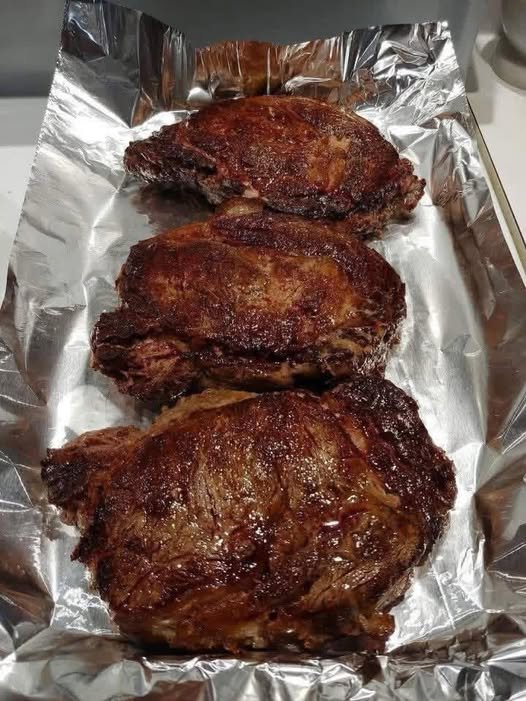
If you’re a steak lover, few cuts compare to the rich flavor and tenderness of a perfectly cooked ribeye steak. Known for its beautiful marbling and bold beefy taste, ribeye is one of the most popular steak cuts for grilling or pan-searing. When cooked correctly, it develops a crispy, golden crust on the outside while remaining juicy and tender inside.
The best part? You don’t need a fancy steakhouse to enjoy a restaurant-quality ribeye. With just a few simple ingredients and the right technique, you can create an incredible steak right in your own kitchen. This ribeye steak recipe focuses on bringing out the natural flavor of the meat while ensuring every bite is perfectly cooked and satisfying.
Whether you’re preparing a special dinner, celebrating an occasion, or simply craving a hearty meal, this ribeye steak recipe will help you achieve steakhouse results at home.
Why Ribeye Steak Is So Popular
Ribeye steaks come from the rib section of the cow and are famous for their high level of marbling—the thin streaks of fat running through the meat. This fat melts during cooking, making the steak incredibly juicy and flavorful.
Some reasons people love ribeye steak include:
-
Rich, beefy flavor
-
Naturally tender texture
-
Juicy thanks to marbling
-
Perfect for grilling or pan-searing
Because of its natural fat content, ribeye doesn’t require complicated marinades or sauces. Simple seasoning is enough to highlight its incredible taste.
Ingredients
To make the perfect ribeye steak, you only need a handful of ingredients.
-
2 ribeye steaks (about 1–1½ inches thick)
-
2 tablespoons olive oil or avocado oil
-
1 teaspoon kosher salt
-
1 teaspoon freshly ground black pepper
-
2 tablespoons butter
-
2 cloves garlic, smashed
-
2 sprigs fresh rosemary or thyme
Optional for serving:
-
Fresh parsley, chopped
-
Lemon wedges
Step-by-Step Instructions
1. Bring the Steak to Room Temperature
Take the ribeye steaks out of the refrigerator about 30–40 minutes before cooking.
Allowing the steak to reach room temperature helps it cook more evenly and ensures a better crust when seared.
Pat the steaks dry with paper towels. Removing moisture helps the surface caramelize during cooking.
2. Season the Steaks
Drizzle both sides of the steak with olive oil.
Season generously with kosher salt and freshly ground black pepper. Don’t be afraid to season well—thicker steaks need more seasoning to bring out their natural flavor.
Let the seasoned steaks sit for about 10 minutes before cooking.
3. Heat the Pan
Place a heavy skillet (preferably cast iron) over medium-high heat.
Allow the pan to get very hot before adding the steaks. A properly heated pan is essential for creating that beautiful golden crust.
You should see slight smoke from the pan when it’s ready.
4. Sear the Steaks
Place the ribeye steaks carefully into the hot skillet.
Cook for about 3–4 minutes without moving them. This allows the steak to develop a rich, caramelized crust.
Flip the steak using tongs and cook the other side for another 3–4 minutes.
Avoid pressing down on the steak, as this can squeeze out the juices.
5. Add Butter and Aromatics
Reduce the heat slightly.
Add the butter, smashed garlic cloves, and rosemary or thyme to the pan.
As the butter melts, tilt the pan slightly and use a spoon to baste the steak with the melted butter. This step adds incredible flavor and helps keep the steak moist.
Continue cooking until the steak reaches your preferred doneness.
Steak Doneness Guide
Use a meat thermometer for the most accurate results.
Rare: 120–125°F
Medium Rare: 130–135°F
Medium: 140–145°F
Medium Well: 150°F
Well Done: 160°F+
For the best flavor and tenderness, many chefs recommend cooking ribeye to medium-rare.
6. Let the Steak Rest
Once cooked, transfer the steak to a cutting board and let it rest for 5–10 minutes.
Resting allows the juices to redistribute throughout the meat, making the steak more tender and flavorful.
If you slice it too early, the juices will run out and the steak may become dry.
7. Slice and Serve
Slice the ribeye against the grain and serve immediately.
You can sprinkle fresh parsley on top and add a squeeze of lemon juice if desired.
Serve with your favorite side dishes for a complete, satisfying meal.
Tips for the Perfect Ribeye Steak
Choose High-Quality Meat
Look for ribeye steaks with good marbling. The white streaks of fat help keep the meat juicy during cooking.
Use a Hot Pan
A hot pan is essential for creating a flavorful crust. If the pan isn’t hot enough, the steak will steam instead of sear.
Don’t Overcook
Ribeye is best enjoyed medium-rare to medium. Overcooking can make it tough and dry.
Rest Before Slicing
Always allow your steak to rest after cooking to keep it juicy.
Delicious Side Dishes for Ribeye Steak
A great steak deserves equally delicious sides. Some popular options include:
-
Garlic mashed potatoes
-
Roasted vegetables
-
Creamy spinach
-
Grilled asparagus
-
Fresh garden salad
-
Baked potatoes
These sides complement the rich flavor of ribeye perfectly.
Storage and Reheating
Refrigeration
Store leftover steak in an airtight container in the refrigerator for up to 3 days.
Reheating
Reheat gently in a skillet over low heat with a little butter to keep it moist.
Avoid microwaving for too long, as it can make the steak tough.
Final Thoughts
Cooking a ribeye steak at home may seem intimidating, but with the right technique it’s actually quite simple. By using quality meat, seasoning it well, and mastering the sear-and-baste method, you can create a steak that rivals any restaurant.
The rich flavor, juicy texture, and golden crust make ribeye steak a true classic. Whether you’re cooking for a special dinner or treating yourself to a great meal, this recipe delivers delicious results every time.
Once you try this method, you may never feel the need to order steak at a restaurant again.
Recipe Summary
Prep Time: 10 minutes
Cook Time: 10 minutes
Rest Time: 5 minutes
Total Time: 25 minutes
Servings: 2
Main Ingredients: Ribeye steak, butter, garlic, herbs, salt, pepper