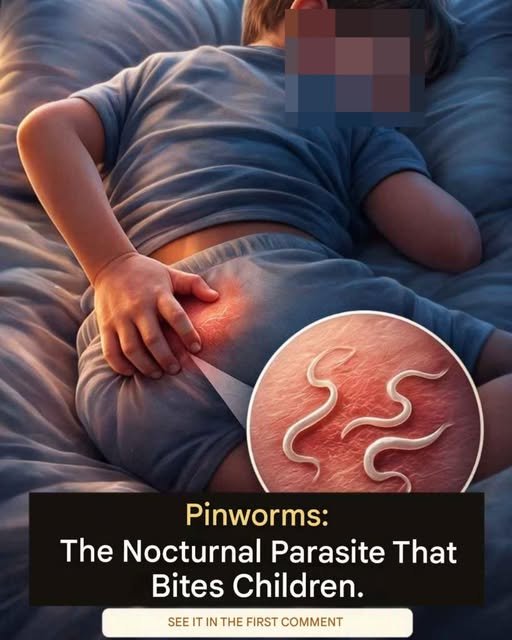
Pinworms in Children: What They Are and Why They Cause Nighttime Itching
Pinworms are one of the most common intestinal parasites affecting children worldwide. Although they can sound alarming to parents, pinworm infections are usually mild and easily treatable. The most noticeable symptom is intense itching around the anus at night, which can disrupt a child’s sleep and cause discomfort.
The infection is medically known as Enterobiasis and is caused by tiny parasitic worms called Enterobius vermicularis. These worms are extremely small, thin, and white—often compared to tiny pieces of thread. Pinworms spread easily among children, especially in places where kids spend time together, such as schools, daycare centers, and playgrounds.
Understanding how pinworms spread, why they cause nighttime itching, and how they can be treated can help parents manage the condition quickly and prevent reinfection.
What Are Pinworms?
Pinworms are small intestinal parasites that live in the human digestive system. After entering the body, the worms grow and live in the large intestine.
Adult female pinworms are about 8–13 mm long, while male worms are smaller. They are typically white or cream-colored and may sometimes be visible around the anal area or in a child’s stool.
The infection is extremely common among school-aged children because pinworm eggs spread easily through contact with contaminated surfaces, bedding, clothing, toys, or hands.
Despite being unpleasant, pinworm infections are generally harmless and rarely cause serious complications.
Why Pinworms Cause Nighttime Itching
One of the most distinctive symptoms of pinworm infection is intense itching around the anus at night. This happens because of the worm’s life cycle.
While the infected person sleeps, female pinworms leave the intestine and move to the skin around the anus to lay their eggs. A single female worm can lay thousands of microscopic eggs.
These eggs release substances that irritate the skin, causing itching and discomfort. Because this process usually happens at night, children may wake up scratching the area or complain about itching before bedtime.
Scratching can spread the eggs to the child’s fingers and under their nails, which allows the infection to spread to other people or cause reinfection.
How Children Get Pinworms
Pinworms spread through tiny eggs that are invisible to the naked eye. These eggs can survive on surfaces for several days.
Children often become infected when they accidentally swallow these eggs after touching contaminated surfaces.
Common ways the infection spreads include:
- Touching toys or surfaces contaminated with pinworm eggs
- Not washing hands properly after using the bathroom
- Putting fingers in the mouth
- Nail biting or thumb sucking
- Sharing bedding, clothing, or towels
Because children frequently touch their faces and mouths, they are more likely to ingest the eggs.
Once swallowed, the eggs hatch in the small intestine and the worms grow in the large intestine, continuing the cycle.
Common Symptoms of Pinworms in Children
Many children with pinworms have mild symptoms or none at all. However, the most common signs include:
Nighttime itching around the anus
This is the most typical symptom and may cause sleep disturbances.
Restless sleep
Children may toss and turn due to itching.
Irritability or mood changes
Lack of sleep can make children cranky during the day.
Visible worms
Tiny white worms may sometimes be seen around the anus, especially at night.
Skin irritation
Frequent scratching may cause redness or minor skin infections.
In girls, the worms may occasionally move toward the vaginal area, causing irritation.
How Pinworms Are Diagnosed
Doctors often diagnose pinworm infections using a simple method called the tape test.
This test involves placing a piece of clear adhesive tape on the skin around the anus early in the morning before the child bathes or uses the bathroom. The tape collects any eggs present.
The tape is then examined under a microscope to confirm the presence of pinworm eggs.
Sometimes parents may notice the worms themselves, which helps confirm the infection.
Treatment for Pinworms
Pinworm infections are usually treated with medications that kill the worms. Common treatments include:
- Mebendazole
- Albendazole
- Pyrantel pamoate
These medications are typically taken as a single dose, followed by another dose two weeks later to eliminate any newly hatched worms.
Doctors often recommend treating all household members at the same time to prevent reinfection.
The medications are generally safe and highly effective when used as directed.
Preventing the Spread of Pinworms
Because pinworm eggs spread easily, good hygiene practices are essential to prevent reinfection.
Helpful prevention steps include:
Frequent handwashing
Children should wash their hands thoroughly after using the bathroom and before eating.
Keep fingernails short
Short nails make it harder for eggs to collect underneath them.
Daily bathing
Morning showers help remove eggs from the skin.
Wash bedding and clothing regularly
Hot water helps kill pinworm eggs.
Avoid nail biting and thumb sucking
These habits increase the risk of swallowing eggs.
Cleaning household surfaces and toys can also help reduce the chance of reinfection.
When to See a Doctor
Parents should consult a healthcare professional if:
- A child has severe itching or sleep problems
- Worms are visible around the anal area
- Symptoms persist after treatment
- There are signs of skin infection from scratching
Early treatment usually resolves the infection quickly.
Final Thoughts
Pinworms are a very common childhood infection that can cause uncomfortable nighttime itching, but they are rarely dangerous. The itching occurs because female worms lay eggs around the anus while a child sleeps, leading to irritation of the skin.
Fortunately, the condition is easy to treat with medications such as Mebendazole or Albendazole, along with simple hygiene measures that prevent the spread of eggs.