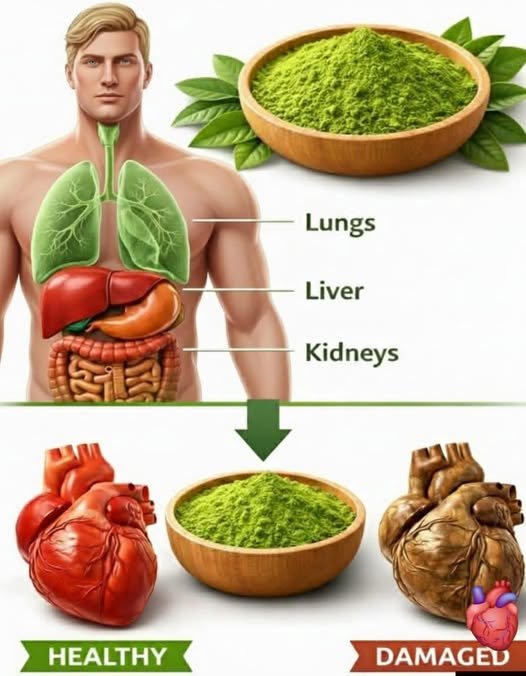
The Little-Known Asian Leaf That’s Quietly Turning Heads in Natural Health Circles
In the world of natural wellness, trends often emerge quietly before they explode into the mainstream. Turmeric, ginger, and matcha all followed this path—used for generations in traditional cultures before gaining global attention. Today, a lesser-known Asian leaf is beginning to spark curiosity among herbalists, nutrition enthusiasts, and holistic health advocates alike: the curry leaf.
Often confused with curry powder or overlooked as a simple cooking ingredient, curry leaves have a long history in Asian traditions, particularly in India and Sri Lanka. What’s now catching attention is not just their flavor, but their impressive nutritional profile and the role they may play in supporting overall wellness.
What Are Curry Leaves?
Curry leaves come from the Murraya koenigii plant, a small tree native to South Asia. The glossy green leaves are widely used in Indian cooking, especially in the early stages of dishes where they are lightly fried in oil to release their aroma.
Despite their frequent use in traditional cuisine, curry leaves have remained relatively unknown outside Asian households. Unlike curry powder, which is a blend of spices, curry leaves are a single ingredient with their own unique taste and properties.
For centuries, these leaves have also been used in Ayurvedic and traditional medicine systems, valued for their nutritional density and balancing qualities.
Why Natural Health Circles Are Taking Notice
As interest grows in food-as-medicine and traditional plant knowledge, curry leaves are gaining renewed attention. Wellness communities are increasingly drawn to ingredients that are:
-
Naturally nutrient-rich
-
Minimally processed
-
Rooted in traditional use
-
Easy to incorporate into daily routines
Curry leaves check all of these boxes. They are rich in plant compounds, widely accessible in fresh or dried form, and versatile enough to be used in both food and herbal preparations.
Nutritional Profile of Curry Leaves
Curry leaves contain a range of naturally occurring compounds that contribute to their growing reputation, including:
-
Antioxidants, which help protect cells from oxidative stress
-
Plant alkaloids and polyphenols, studied for their supportive role in metabolic and cardiovascular health
-
Vitamins A, B, C, and E, which contribute to immune and skin health
-
Minerals such as calcium and iron
While curry leaves are not a cure or treatment for disease, their nutritional makeup makes them a valuable addition to a balanced, whole-food diet.
Traditional Uses in Asian Wellness Practices
In traditional systems, curry leaves have long been associated with everyday wellness rather than quick fixes. Historically, they were used to support:
-
Digestive comfort
-
Circulatory balance
-
Metabolic health
-
Joint and muscle comfort
-
General vitality
These uses were often paired with lifestyle habits such as mindful eating, seasonal diets, and herbal combinations—an important reminder that traditional wellness is holistic, not isolated to a single ingredient.
Modern Interest and Emerging Research
Modern research has begun exploring curry leaves for their antioxidant and anti-inflammatory properties. Preliminary laboratory studies suggest that compounds in curry leaves may help support:
-
Healthy blood sugar balance
-
Normal cholesterol levels
-
Circulation and heart health
-
Protection against oxidative stress
It’s important to note that most of this research is still emerging and does not replace medical care. However, it does help explain why curry leaves have been valued for generations and why interest is growing today.
How People Are Using Curry Leaves Today
As awareness spreads, curry leaves are being used in a variety of modern wellness routines, including:
In Cooking
Fresh curry leaves are sautéed in oil at the start of cooking to flavor soups, lentils, vegetables, and rice dishes. Dry leaves can be crushed and added to spice blends.
As Herbal Tea
Some people steep dried curry leaves in hot water to make a mild herbal tea, often combined with ginger or cumin.
In Powder Form
Dried curry leaf powder is sometimes added to smoothies, warm water, or sprinkled over food in small amounts.
In Traditional Hair and Skin Care
Curry leaves are also used externally in traditional oil infusions for hair and scalp care, a practice still common in parts of Asia.
A Gentle Addition, Not a Miracle Cure
One of the reasons curry leaves are appealing to natural health circles is their gentle nature. They are not promoted as a miracle solution, but rather as a supportive, food-based ingredient that fits into long-term wellness habits.
This approach aligns with modern holistic health thinking, which emphasizes consistency, nourishment, and prevention rather than dramatic claims.
Safety and Considerations
Curry leaves are generally safe when consumed as part of food. As with any plant-based ingredient:
-
Moderation is key
-
Individuals with medical conditions should consult a healthcare professional before using concentrated forms
-
Curry leaves should complement—not replace—medical treatment
Pregnant or breastfeeding individuals should seek professional advice before using curry leaves in medicinal quantities.
Why This Leaf Is Gaining Quiet Momentum
Curry leaves are not flashy, trendy, or heavily marketed—and that’s exactly why they’re gaining respect among informed wellness enthusiasts. They represent a return to traditional knowledge, everyday nourishment, and subtle but meaningful support for the body.
As people continue to explore natural health through a global lens, ingredients like curry leaves are being rediscovered not as cures, but as quiet allies in a balanced lifestyle.
Conclusion
The little-known Asian leaf turning heads in natural health circles isn’t new—it’s simply being rediscovered. Curry leaves offer a compelling blend of tradition, nutrition, and versatility, making them a valuable addition to modern wellness routines.
Rooted in centuries of use and now supported by growing scientific interest, this humble leaf reminds us that some of the most powerful health-supporting foods have been quietly thriving in kitchens all along.