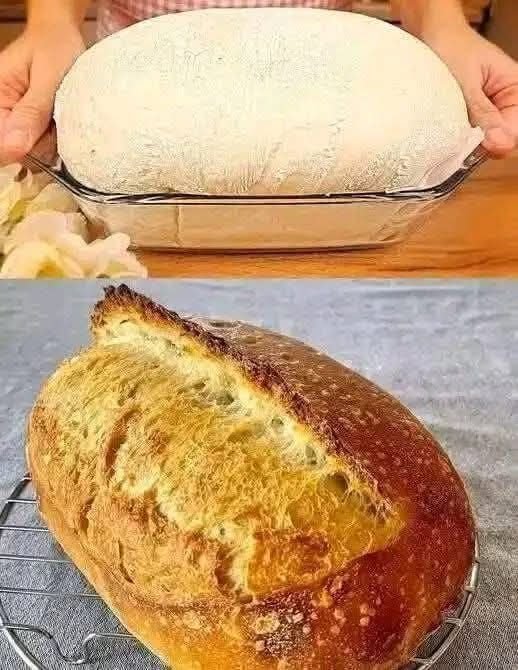
Multigrain Sourdough Bread: Nutty, Flavorful, and Perfectly Tangy
There’s nothing quite like the aroma of freshly baked sourdough bread wafting through your kitchen. Now, imagine that same tangy, chewy goodness infused with the nutty, wholesome flavors of multiple grains. That’s exactly what makes this Multigrain Sourdough Bread so special. Packed with fiber, nutrients, and a delightful texture, this bread is perfect for sandwiches, toasting, or simply enjoying with butter.
Whether you’re a seasoned sourdough baker or an adventurous beginner, this recipe will guide you through creating a loaf that’s both beautiful and incredibly flavorful.
Ingredients
For the Multigrain Soaker:
-
¼ cup rolled oats
-
2 tbsp sunflower seeds
-
2 tbsp flaxseeds
-
2 tbsp pumpkin seeds
-
1 tbsp chia seeds
-
½ cup warm water
For the Dough:
-
500 g (4 cups) bread flour
-
100 g (¾ cup) whole wheat flour
-
100 g (¾ cup) rye flour
-
350 g (1 ½ cups) active sourdough starter, at 100% hydration
-
350 g (1 ½ cups) water, lukewarm
-
12 g (2 tsp) salt
-
Multigrain soaker (from above)
Optional Toppings:
-
Extra seeds (sunflower, pumpkin, sesame) for sprinkling
-
Rolled oats for a rustic finish
Step-by-Step Instructions
1. Prepare the Multigrain Soaker
Start by combining the oats, sunflower seeds, flaxseeds, pumpkin seeds, chia seeds, and warm water in a small bowl. Let this soak for at least 30 minutes, or overnight if possible. Soaking helps soften the grains, making them easier to digest and giving your bread a moist, tender crumb.
2. Mix the Dough
In a large mixing bowl, combine bread flour, whole wheat flour, and rye flour. Add the active sourdough starter and lukewarm water. Mix until all the flour is hydrated and a sticky, shaggy dough forms. Let it rest for 30 minutes (autolyse). This rest period helps improve gluten development and the overall texture of your bread.
3. Incorporate Salt and Soaked Grains
After the autolyse, add the salt and the soaked multigrain mixture to the dough. Knead gently in the bowl or on a lightly floured surface until well incorporated. The dough should be elastic but slightly sticky to the touch.
4. Bulk Fermentation
Place the dough in a lightly oiled bowl, cover with a damp cloth, and let it ferment at room temperature for 4–6 hours. During the first 2–3 hours, perform 3–4 sets of stretch and folds every 30 minutes. This helps develop the dough’s strength and structure, essential for a well-risen sourdough loaf.
5. Shape the Dough
Once the dough has roughly doubled in size, gently turn it out onto a lightly floured surface. Shape it into a round or oval loaf, depending on your proofing basket. Dust the top with flour or seeds for a rustic look, then place the dough seam-side up into a well-floured banneton or bowl lined with a floured cloth.
6. Final Proof
Cover the dough with a cloth or plastic wrap and allow it to proof for 2–4 hours at room temperature, or overnight in the refrigerator for enhanced flavor and texture. A slow, cold fermentation helps develop a deeper tang and improves the bread’s keeping qualities.
7. Preheat the Oven
About 45 minutes before baking, preheat your oven to 475°F (245°C) with a Dutch oven or baking stone inside. Preheating ensures a strong initial oven spring, giving your loaf that characteristic sourdough lift.
8. Score and Bake
Carefully turn the dough onto parchment paper. Score the top with a sharp knife or razor blade to allow controlled expansion. Place the dough in the preheated Dutch oven, cover with the lid, and bake for 20 minutes. Remove the lid and bake for another 20–25 minutes, or until the crust is deep golden brown and crisp.
9. Cool Completely
Once baked, remove the loaf from the oven and let it cool on a wire rack for at least 1–2 hours before slicing. This cooling period allows the crumb to set properly, ensuring a chewy, open texture and preventing a gummy interior.
Tips for Perfect Multigrain Sourdough
-
Active Starter: Ensure your sourdough starter is bubbly and active. Feed it 4–6 hours before using for best results.
-
Hydration Adjustments: Multigrain flours absorb more water. Adjust hydration slightly if the dough feels too dry or too wet.
-
Soaking Seeds: Soaking seeds not only improves digestibility but also enhances the bread’s flavor and crumb.
-
Long Fermentation: Overnight refrigeration intensifies the sour flavor and gives a more complex, nutty taste.
-
Steam for Crust: Baking in a Dutch oven traps steam, giving the bread a crisp, caramelized crust.
Serving Suggestions
This Multigrain Sourdough Bread is versatile and pairs beautifully with:
-
Nut butter or avocado for breakfast
-
Soup, stews, or chili for a hearty lunch or dinner
-
Cheese boards or charcuterie for entertaining
-
Homemade sandwiches, toasted or fresh
The combination of whole grains, seeds, and the tangy sourdough flavor makes this loaf a nutritious and satisfying choice for any meal.
Why You’ll Love This Bread
Multigrain sourdough isn’t just flavorful—it’s also packed with nutrition. The combination of oats, flax, chia, and pumpkin seeds adds fiber, healthy fats, and protein, while the sourdough fermentation improves digestibility and gut health. The crust is crisp, the crumb is chewy, and every bite is packed with nutty, slightly tangy flavor.
Whether you’re a seasoned baker or just getting into sourdough, this recipe is approachable and rewarding. Plus, baking your own bread at home fills your kitchen with a comforting, irresistible aroma that store-bought bread can’t match.
Conclusion
Baking Multigrain Sourdough Bread is a labor of love, but the results are well worth it. From the chewy, tangy crumb to the crunchy, seed-studded crust, this bread is a wholesome delight for every meal. Perfect for breakfast, lunch, dinner, or snacking, it’s a versatile loaf that will quickly become a favorite in your home.
Give this recipe a try, and experience the magic of baking your own multigrain sourdough—a true combination of nutrition, flavor, and rustic charm.