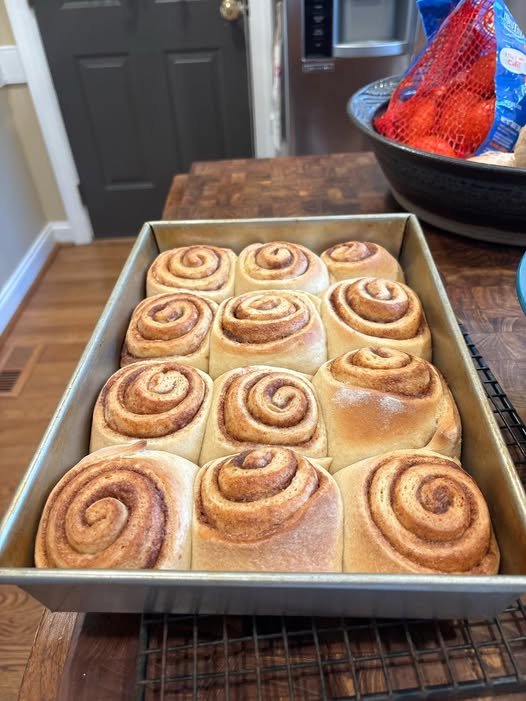
Master Cinnamon Rolls: Soft, Fluffy, and Perfect Every Time
There are cinnamon rolls—and then there are perfect cinnamon rolls. The kind that are pillowy soft, generously swirled with cinnamon sugar, and topped with a rich, silky glaze that melts into every crevice. Mastering cinnamon rolls isn’t about complicated techniques; it’s about understanding a few key principles that turn a good roll into a bakery-quality masterpiece.
This guide walks you through everything you need to know to consistently make cinnamon rolls that rise beautifully, bake evenly, and taste incredible every single time.
The Foundation: Perfect Dough
The heart of any great cinnamon roll is the dough. Cinnamon roll dough should be soft, enriched, and slightly sticky, not dense or dry.
Key Ingredients That Matter
-
Warm milk – activates yeast and creates tenderness
-
Yeast – provides lift and softness
-
Eggs – add richness and structure
-
Butter – ensures a soft, luxurious crumb
-
Sugar – feeds yeast and balances flavor
The dough should feel smooth and elastic after kneading. If it’s too stiff, your rolls will be dry. If it’s slightly tacky but manageable, you’re on the right track.
Pro Tip: Always add flour gradually. Humidity and flour brands affect absorption.
Kneading and Rising: Where Texture Is Made
Kneading develops gluten, which gives cinnamon rolls their signature chew without toughness.
How to Know You’ve Kneaded Enough
-
Dough springs back when gently pressed
-
Surface looks smooth, not shaggy
-
Dough stretches without tearing
First Rise (Bulk Fermentation)
Let the dough rise in a warm, draft-free spot until doubled in size, usually 1–1½ hours. This slow rise develops flavor and softness.
Rushing this step is one of the most common cinnamon roll mistakes.
The Filling: Flavor Balance Is Everything
A great cinnamon roll filling is rich but not overpowering. The goal is bold cinnamon flavor with a caramel-like melt—not gritty sugar that leaks out.
Classic Filling Components
-
Softened butter (not melted)
-
Brown sugar (adds moisture and depth)
-
Cinnamon
-
Optional pinch of salt or nutmeg
Spread butter evenly across the dough, leaving a small border. Sprinkle filling evenly—too much causes leaks, too little tastes bland.
Rolling and Shaping Like a Pro
Rolling technique directly affects swirl definition and bake consistency.
Rolling Tips
-
Roll dough into a tight, even rectangle
-
Aim for uniform thickness throughout
-
Roll from the long edge for more swirls
Cutting Clean Rolls
Use unflavored dental floss or a sharp knife to cut rolls cleanly without squashing them. Even-sized rolls bake evenly and look professional.
Second Rise: The Secret to Fluffiness
After shaping, cinnamon rolls need a second rise. This step allows them to expand, soften, and create that pull-apart texture everyone loves.
Rolls should be:
-
Puffy
-
Touching slightly
-
Visibly lighter
Under-proofed rolls bake dense. Over-proofed rolls collapse. Look for softness and gentle resistance when pressed.
Baking: Golden, Not Dry
Bake cinnamon rolls at 350°F (175°C) for 20–25 minutes.
Signs They’re Perfectly Baked
-
Light golden tops
-
Soft centers
-
Slight resistance when touched
Avoid overbaking—even a few extra minutes can dry them out. Cinnamon rolls continue cooking slightly after removal from the oven.
The Glaze: Timing Is Everything
Whether you prefer cream cheese frosting or classic vanilla glaze, timing matters.
Best Practice
-
Apply frosting while rolls are warm, not hot
-
This allows frosting to melt slightly without disappearing
Classic Cream Cheese Frosting
-
Cream cheese
-
Butter
-
Powdered sugar
-
Vanilla
-
Splash of milk or cream
The frosting should be smooth, spreadable, and rich—but not runny.
Master Variations
Once you’ve mastered the base recipe, the possibilities are endless:
-
Overnight cinnamon rolls – refrigerate after shaping, bake in the morning
-
Extra-soft rolls – pour warm cream over rolls before baking
-
Nutty rolls – add pecans or walnuts to filling
-
Orange rolls – add orange zest to dough and frosting
-
Vegan or dairy-free – substitute plant-based milk and butter
Mastery means adaptability.
Common Cinnamon Roll Mistakes (and Fixes)
Dry rolls: Too much flour or overbaking
Flat rolls: Weak yeast or skipped second rise
Leaking filling: Butter melted instead of softened
Dense texture: Under-kneaded dough
Understanding these issues turns frustration into confidence.
Storage and Reheating
-
Room temperature: 1–2 days, covered
-
Refrigerator: Up to 5 days
-
Freezer: Freeze unfrosted rolls up to 2 months
Reheat gently to restore softness—microwave with a damp paper towel for best results.
Final Thoughts
Mastering cinnamon rolls isn’t about perfection—it’s about understanding dough, patience, and balance. When you respect the process and focus on texture, timing, and temperature, cinnamon rolls transform from a recipe into a skill.
Once mastered, this is the kind of bake that becomes a signature—requested at holidays, shared with friends, and remembered long after the pan is empty.