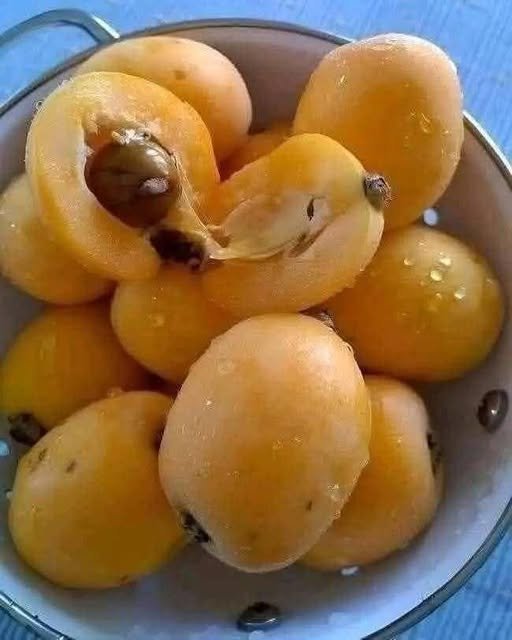
Jam Mazah: A Simple Preserve That Turns Fruit Into Comfort
Few foods capture the warmth of homemade cooking quite like fruit jam. Sweet, fragrant, and deeply satisfying, jam transforms fresh fruit into a delicious preserve that can be enjoyed long after the harvest season has passed. In many households around the world, making jam is not only a way to preserve fruit but also a cherished tradition passed down through generations.
Jam Mazah, often simply referred to as homemade fruit jam, is loved for its natural sweetness and comforting flavor. With only a few basic ingredients—fruit, sugar, and sometimes lemon juice—you can create a spread that enhances breakfast, desserts, and snacks. The process is surprisingly simple, yet the result feels special and homemade.
Whether spread on toast in the morning or added to pastries and yogurt, jam brings a sense of comfort and nostalgia to the table.
What Is Fruit Jam?
Fruit jam is a preserve made by cooking fruit with sugar until it thickens into a spreadable consistency. During the cooking process, natural pectin found in fruit combines with sugar and acid to create the gel-like texture that makes jam so enjoyable.
Different fruits contain different levels of natural pectin, which is why some jams thicken more easily than others. Fruits like apples, citrus, and berries naturally produce thicker jams, while others may require a little lemon juice or additional pectin to help them set.
The beauty of jam is its versatility—you can make it from nearly any fruit you enjoy.
Popular Fruits Used for Jam
Homemade jam can be prepared using many types of fruit. Some of the most popular choices include:
-
Strawberries
-
Raspberries
-
Blueberries
-
Peaches
-
Apricots
-
Plums
-
Mangoes
Each fruit creates a unique flavor and color, allowing you to experiment and create your own favorite varieties.
Ingredients for Basic Fruit Jam
This simple jam recipe makes about 2 small jars.
-
2 cups fresh fruit (chopped if necessary)
-
1 cup sugar
-
1 tablespoon lemon juice
-
1 teaspoon lemon zest (optional)
These basic ingredients allow the natural flavor of the fruit to shine.
Preparing the Fruit
Start by washing the fruit thoroughly. Remove any stems, seeds, or pits depending on the type of fruit you are using.
If the fruit is large, chop it into small pieces so it cooks evenly.
Place the fruit in a saucepan and gently mash it with a spoon or potato masher to release its juices.
Cooking the Jam
Add the sugar and lemon juice to the saucepan with the fruit.
Place the pan over medium heat and stir continuously as the mixture begins to warm. As the fruit cooks, it will release more juices and begin to soften.
Continue cooking for 15–25 minutes, stirring occasionally. The mixture will gradually thicken as the water evaporates and the natural pectin begins to work.
If foam forms on the surface, you can skim it off with a spoon.
Checking the Consistency
To test whether the jam is ready, place a small spoonful on a chilled plate and let it sit for about 30 seconds.
If the jam wrinkles slightly when pushed with your finger, it has reached the proper consistency.
If it is still too runny, continue cooking for a few more minutes and test again.
Storing the Jam
Once the jam has reached the desired thickness, remove it from the heat and allow it to cool slightly.
Pour the warm jam into clean glass jars and seal them tightly.
Storage options
-
Refrigerator: Store for up to 3 weeks
-
Freezer: Freeze for up to 3 months
-
Canning: Properly sealed jars can last much longer
Always use clean utensils when scooping jam to maintain freshness.
Ways to Enjoy Homemade Jam
Jam is incredibly versatile and can be used in many delicious ways.
Some favorite uses include:
-
Spread on toast or warm bread
-
Added to yogurt or oatmeal
-
Used as a filling for cakes or pastries
-
Mixed into smoothies
-
Paired with cheese and crackers
A spoonful of homemade jam can instantly elevate a simple dish.
Tips for Perfect Homemade Jam
Making jam is simple, but a few helpful tips can ensure the best results.
Use ripe fruit
Ripe fruit has the best flavor and natural sweetness.
Stir regularly
This prevents the mixture from sticking or burning.
Adjust sweetness
You can slightly reduce the sugar depending on the sweetness of the fruit.
Add spices
Cinnamon, vanilla, or ginger can add interesting flavor variations.
Flavor Variations to Try
Once you master basic jam, you can experiment with creative combinations.
Strawberry Vanilla Jam
Add a teaspoon of vanilla extract for a sweet aroma.
Peach Ginger Jam
Add grated fresh ginger for a warm, spicy note.
Mixed Berry Jam
Combine strawberries, raspberries, and blueberries for a rich flavor.
Mango Lime Jam
Add lime juice and zest for a tropical twist.
These variations can give your jam a unique signature taste.
Why Homemade Jam Feels Special
Unlike store-bought varieties, homemade jam allows you to control the ingredients and highlight the natural flavor of the fruit. The process of slowly cooking fruit into a sweet preserve can also be deeply satisfying.
Many people associate homemade jam with childhood memories, family kitchens, and seasonal traditions. A jar of jam can even make a thoughtful homemade gift.
Final Thoughts
Jam Mazah represents the beauty of simple cooking—turning fresh fruit into a comforting, flavorful preserve with just a few ingredients. Easy to prepare and endlessly customizable, homemade jam can become a staple in any kitchen.