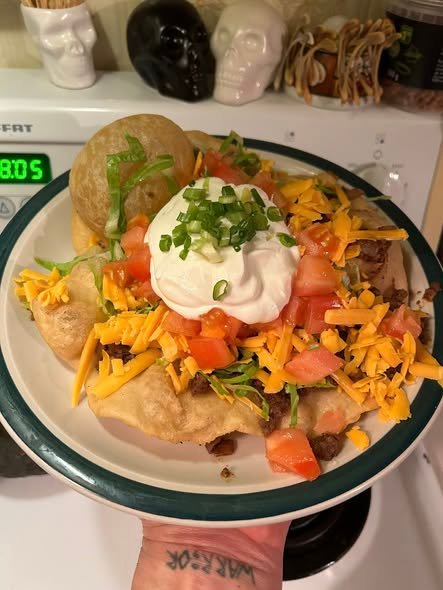
Indigenous Tacos: The Original Way Tacos Were Meant to Be Eaten
Before tacos became street food, fast food, or social media trends, they were a daily nourishment rooted in Indigenous knowledge. Indigenous tacos are not a modern reinvention—they are the foundation of one of the world’s most loved foods. Built on corn, community, and connection to the land, these tacos reflect a way of eating that is simple, sustainable, and deeply respectful of nature.
Understanding Indigenous tacos means understanding history, agriculture, and culture—all wrapped in a warm corn tortilla.
The True Origins of Tacos
The word “taco” existed long before colonization, but its meaning was different. Indigenous peoples of Mesoamerica—including the Maya, Nahua, Zapotec, Mixtec, Otomí, and Purépecha—used corn tortillas as edible tools: to hold food, scoop stews, and create portable meals for work in the fields.
There were no restaurants, no menus, and no fixed recipes. Indigenous tacos changed with:
-
The season
-
The harvest
-
The land
-
The community’s needs
Food was practical, sacred, and shared.
Corn: More Than an Ingredient
At the heart of Indigenous tacos is maize (corn). For Indigenous cultures, corn is not simply a crop—it is life itself. Ancient stories describe humans being created from corn, symbolizing an inseparable bond between people and the earth.
Corn tortillas were made using nixtamalization, an ancient process where dried corn is cooked and soaked in alkaline water (traditionally lime). This technique:
-
Unlocks essential nutrients like niacin
-
Improves digestibility
-
Enhances flavor and texture
-
Makes corn nutritionally complete
Modern tortillas that skip this process lose much of corn’s original value.
What Makes Indigenous Tacos Different?
Indigenous tacos are defined by what they do not include as much as what they do.
They are:
-
Corn-based, not flour-based
-
Free from dairy and heavy fats
-
Made with whole, recognizable ingredients
-
Focused on nourishment, not excess
They are smaller, softer, and meant to satisfy without overwhelming the body.
Traditional Indigenous Taco Fillings
Indigenous tacos were shaped by geography and ecology. Every region used what the land provided.
Common Traditional Fillings
Beans
A cornerstone of Indigenous nutrition. Black beans, pinto beans, or native varieties were slow-cooked and mashed or served whole.
Squash and Squash Blossoms
Tender, lightly cooked, and rich in vitamins. Blossoms were considered a seasonal delicacy.
Chiles
Fresh, dried, or smoked. Chiles added depth and warmth, not just heat.
Quelites (Wild Greens)
Edible native greens such as lamb’s quarters and amaranth leaves, rich in minerals and fiber.
Huitlacoche (Corn Mushroom)
Earthy and deeply traditional, valued for its flavor and nutrition.
Insects (Chapulines, Escamoles)
High in protein and environmentally sustainable, still eaten today in many Indigenous communities.
Fish and Game
Prepared simply—grilled, roasted, or steamed—with minimal seasoning.
A Simple Indigenous Taco at Home
Ingredients
-
Fresh nixtamalized corn tortillas
-
Cooked beans
-
Lightly sautéed greens
-
Mild chile
-
Salt
Method
-
Warm tortillas on a dry comal or skillet
-
Add a spoonful of beans
-
Top with greens and chile
-
Fold and eat warm
No cheese. No sauces. Just real food.
Nutritional Wisdom in Indigenous Tacos
Indigenous tacos naturally provide:
-
Complex carbohydrates for energy
-
Plant-based protein
-
High fiber
-
Micronutrients from greens and chiles
This balance supports stable energy, better digestion, and long-lasting fullness—without calorie overload.
Modern nutrition science now supports what Indigenous people already knew: simple, whole foods sustain the body best.
Indigenous Tacos vs Modern Tacos
| Indigenous Tacos | Modern Tacos |
|---|---|
| Corn tortillas only | Corn or flour tortillas |
| Minimal ingredients | Heavy toppings |
| No dairy | Cheese & sour cream |
| Seasonal & local | Processed & imported |
| Nourishing & light | Often greasy & heavy |
Modern tacos are convenient. Indigenous tacos are intentional.
Respecting Indigenous Food Traditions
Indigenous tacos should never be treated as a novelty or trend. They represent:
-
Survival through colonization
-
Agricultural knowledge
-
Cultural identity
-
Respect for the earth
True appreciation means acknowledging their origins and supporting Indigenous food systems whenever possible.
Why Indigenous Tacos Matter Today
In an era of processed food and environmental strain, Indigenous tacos offer powerful lessons:
-
Eat locally and seasonally
-
Waste nothing
-
Respect the land
-
Keep food simple
-
Value tradition
They remind us that progress doesn’t always mean “new”—sometimes it means remembering.
Bringing Indigenous Tacos Into Modern Life
You don’t need to replicate tradition perfectly. You can honor it by:
-
Choosing stone-ground corn tortillas
-
Using beans, greens, squash, and chiles
-
Keeping flavors simple
-
Avoiding unnecessary toppings
Cooking with respect matters more than perfection.
Final Thoughts
Indigenous tacos are not just food—they are history, wisdom, and balance wrapped in corn. They fed civilizations long before modern diets existed and continue to nourish communities today.
When you eat Indigenous tacos, you are not just eating—you are participating in a tradition that honors the land, the body, and the people who came before us.