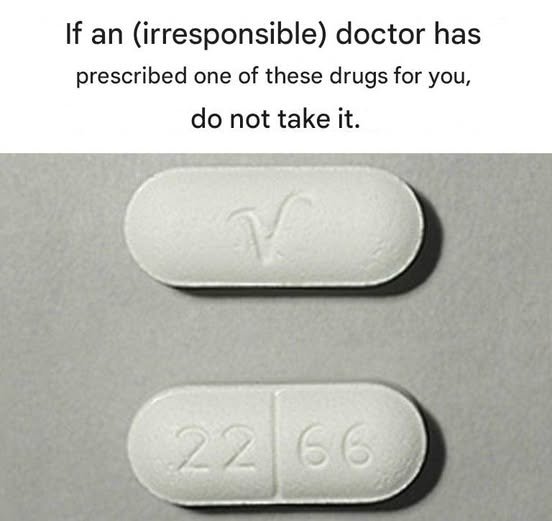
If a Doctor Ever Prescribed You One of These Medications, You Should Read This Immediately
Medications play a vital role in treating illness, managing chronic conditions, and improving quality of life. However, even commonly prescribed drugs can come with side effects, risks, or important precautions that many people may not fully understand. If you’ve ever been prescribed certain medications, it’s important to stay informed—not alarmed, but aware.
This guide will help you understand why some medications require extra attention, what to watch for, and how to use them safely.
Why Some Medications Require Extra Caution
Not all medications affect people the same way. Factors like age, weight, other health conditions, and drug interactions can influence how your body responds. Some prescriptions are powerful and effective—but they may also carry risks if not used properly.
Key reasons to stay informed include:
- Potential side effects or long-term risks
- Interactions with other medications or foods
- Proper dosage and timing
- Changes in how your body responds over time
Common Types of Medications That Need Awareness
Rather than focusing on fear, it’s helpful to understand categories of medications that often require closer monitoring.
1. Blood Pressure Medications
Drugs used to manage high blood pressure are essential for preventing heart disease and stroke. However, they may sometimes cause:
- Dizziness or lightheadedness
- Fatigue
- Changes in heart rate
Regular monitoring ensures the dosage remains appropriate.
2. Pain Relievers (Especially Long-Term Use)
Over-the-counter and prescription pain medications—such as Ibuprofen or Acetaminophen—are widely used, but long-term or excessive use can lead to:
- Stomach irritation or ulcers
- Liver or kidney strain
- Increased cardiovascular risk (in some cases)
Always follow recommended dosages and avoid combining similar medications unless advised.
3. Antibiotics
Antibiotics are crucial for treating bacterial infections, but improper use can cause:
- Digestive issues
- Reduced effectiveness over time (antibiotic resistance)
- Allergic reactions in some individuals
It’s important to complete the full course as prescribed—even if you feel better.
4. Cholesterol-Lowering Medications
These medications help reduce the risk of heart disease, but some people may experience:
- Muscle aches
- Mild digestive discomfort
- Changes in liver enzymes
Routine check-ups help ensure safe, long-term use.
5. Anti-Anxiety or Sleep Medications
Medications used for anxiety or sleep support can be helpful short-term but may require caution with extended use.
Possible concerns include:
- Dependence or tolerance
- Drowsiness or impaired coordination
- Withdrawal symptoms if stopped suddenly
Always follow your doctor’s guidance when starting or stopping these medications.
Warning Signs You Should Never Ignore
If you are taking any prescription medication, contact a healthcare professional if you experience:
- Severe or unusual side effects
- Difficulty breathing or swelling (possible allergic reaction)
- Persistent dizziness or fainting
- Sudden changes in mood or behavior
- Unexplained pain or weakness
Early attention can prevent complications.
How to Take Medications Safely
Being proactive about your health can make a significant difference.
1. Follow Instructions Carefully
Take medications exactly as prescribed—never increase or skip doses without consulting your doctor.
2. Keep a Medication List
Track all prescriptions, over-the-counter drugs, and supplements you take. This helps prevent harmful interactions.
3. Ask Questions
Don’t hesitate to ask your doctor or pharmacist:
- What are the common side effects?
- Are there foods or drinks to avoid?
- How long should I take this medication?
4. Avoid Self-Medication
Using someone else’s prescription or mixing medications without guidance can be dangerous.
The Importance of Regular Check-Ups
Many medications require ongoing monitoring to ensure they remain safe and effective. Routine blood tests, blood pressure checks, or other evaluations can help detect potential issues early.
Don’t Panic—Stay Informed
It’s important to remember that medications are prescribed because their benefits outweigh the risks when used correctly. The goal is not to create fear but to encourage awareness and responsible use.
If you’re concerned about any medication you’re taking, the best step is to talk to your healthcare provider. Never stop a prescribed medication abruptly without professional advice.
Final Thoughts
If a doctor has prescribed you medication, it’s because they believe it will help improve your health. However, staying informed about what you’re taking empowers you to use it safely and effectively.
Understanding possible side effects, following proper guidelines, and maintaining open communication with your healthcare provider are key to getting the most benefit from your treatment—while minimizing risks.