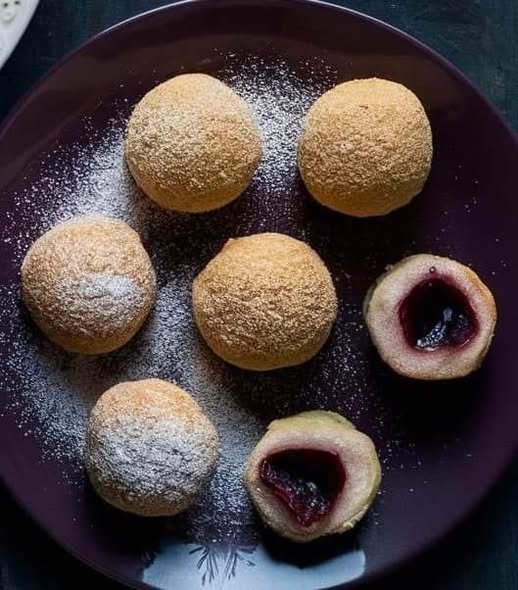
Hungarian Plum Dumplings (Szilvás Gombóc): A Beloved Traditional Dessert
Hungarian plum dumplings, known locally as szilvás gombóc, are one of Hungary’s most cherished traditional desserts. Soft potato dough wrapped around juicy plums, boiled until tender, then rolled in buttery toasted breadcrumbs—this dish is comfort food at its finest. Slightly sweet, lightly spiced, and wonderfully filling, plum dumplings are often enjoyed as a dessert or even as a main meal.
Passed down through generations, this recipe reflects the heart of Hungarian home cooking: simple ingredients, careful preparation, and deeply satisfying results.
A Taste of Hungarian Tradition
Szilvás gombóc has roots in rural Hungarian kitchens, where potatoes, flour, and seasonal fruit were affordable and readily available. Plum dumplings are most commonly made in late summer and early autumn when small, firm plums are at their peak.
While variations exist across Central Europe, the Hungarian version is known for:
-
Soft potato-based dough
-
Whole plums filled with sugar and cinnamon
-
Breadcrumb coating toasted in butter
-
A perfect balance of sweet and savory
For many Hungarians, this dish evokes memories of family gatherings, grandparents’ kitchens, and cozy afternoons.
Ingredients
For the Dough
-
2 pounds (about 900 g) starchy potatoes
-
1 large egg
-
1½ to 2 cups all-purpose flour
-
Pinch of salt
For the Filling
-
12 small Italian plums or prune plums
-
Sugar cubes or granulated sugar
-
Ground cinnamon
For the Coating
-
1 cup breadcrumbs
-
4 tablespoons butter
Optional Toppings
-
Powdered sugar
-
Extra cinnamon
-
Sour cream (traditional in some regions)
Choosing the Right Plums
The best plums for Hungarian dumplings are small, firm, and slightly tart. Italian prune plums are ideal because they:
-
Hold their shape during cooking
-
Have balanced sweetness
-
Release just enough juice
Overripe plums can make the dough soggy, so firmness matters.
Step-by-Step Instructions
Step 1: Prepare the Potatoes
Peel the potatoes and boil them whole in salted water until tender. Drain well and allow them to steam dry for a few minutes. Mash or rice the potatoes while still warm, then let them cool completely.
Cooling is essential—hot potatoes will absorb too much flour and make the dough heavy.
Step 2: Make the Dough
Add the egg and salt to the cooled potatoes. Gradually mix in the flour until a soft, pliable dough forms. The dough should not be sticky but should remain tender.
Avoid overworking the dough to keep it light.
Step 3: Prepare the Plums
Wash and pit the plums carefully, keeping them whole. Place a small sugar cube or a teaspoon of sugar mixed with cinnamon inside each plum, then gently close them.
Step 4: Shape the Dumplings
Divide the dough into equal portions. Flatten each piece in your palm, place a filled plum in the center, and wrap the dough around it, sealing completely.
Roll gently between your hands to form a smooth ball.
Step 5: Cook the Dumplings
Bring a large pot of salted water to a gentle boil. Add dumplings in batches and cook until they float to the surface, then continue cooking for 2–3 more minutes.
Remove with a slotted spoon and drain.
Step 6: Prepare the Breadcrumb Coating
Melt butter in a wide pan over medium heat. Add breadcrumbs and toast until golden and fragrant, stirring constantly.
Step 7: Coat the Dumplings
Roll the cooked dumplings in the toasted breadcrumbs until fully coated.
Texture and Flavor
Hungarian plum dumplings offer a beautiful contrast of textures:
-
Soft, pillowy potato dough
-
Warm, juicy plum center
-
Crunchy, buttery breadcrumb coating
The cinnamon-sugar filling melts into the fruit, creating a rich, aromatic bite that’s comforting and satisfying.
Serving Suggestions
Plum dumplings can be served:
-
Warm with a dusting of powdered sugar
-
Sprinkled with extra cinnamon
-
With a spoonful of sour cream (traditional)
-
As a dessert or a sweet main dish
In many Hungarian households, szilvás gombóc is hearty enough to stand on its own.
Tips for Perfect Plum Dumplings
-
Use starchy potatoes (like Russets)
-
Cool potatoes fully before adding flour
-
Handle dough gently
-
Seal plums well to prevent leaking
-
Toast breadcrumbs until golden, not dark
These small details ensure light, tender dumplings every time.
Variations Across Regions
-
Some versions use semolina instead of flour
-
Others roll dumplings in ground nuts
-
Sugar-coated breadcrumbs are common in sweeter versions
-
Some families serve dumplings with vanilla sauce
Every household has its own treasured variation.
Storage and Reheating
-
Refrigerator: Store leftovers up to 2 days
-
Freezer: Freeze cooked, uncoated dumplings for up to 2 months
-
Reheat: Gently steam or pan-fry in butter, then coat with breadcrumbs
Freshly made dumplings are best, but leftovers are still delicious.
Why Hungarian Plum Dumplings Endure
Szilvás gombóc remains beloved because it:
-
Uses humble, affordable ingredients
-
Celebrates seasonal fruit
-
Feels comforting and nostalgic
-
Brings families together
It’s a dish that tells a story—of tradition, patience, and home cooking done with care.
Final Thoughts
Hungarian plum dumplings are more than just a dessert—they’re a cultural treasure. With their tender potato dough, fragrant plum filling, and buttery breadcrumb coating, they offer warmth, comfort, and tradition in every bite.
Whether you’re honoring your heritage or discovering this dish for the first time, szilvás gombóc is a recipe worth slowing down for—because some flavors are best enjoyed with time, care, and a little nostalgia.