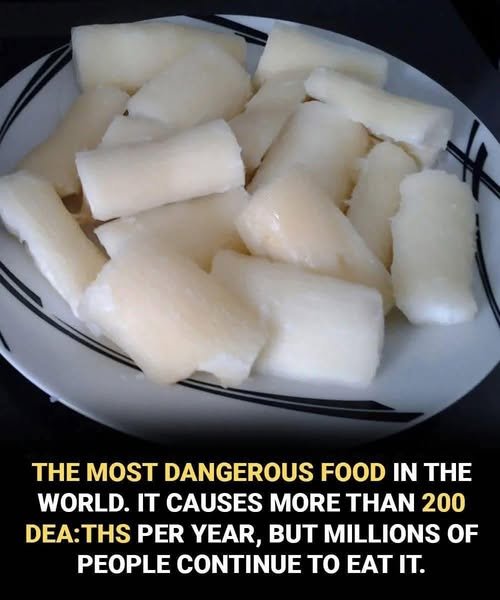
How to Safely Prepare and Cook Cassava
Cassava is a staple food for millions of people around the world, especially in Africa, Asia, the Caribbean, and South America. Also known as yuca or manioc, cassava is a starchy root vegetable valued for its versatility, affordability, and ability to grow in challenging climates.
However, cassava is unique among root vegetables because it must be prepared properly before eating. Raw or improperly processed cassava contains natural compounds that can be harmful if consumed incorrectly. The good news is that with the right preparation and cooking methods, cassava is completely safe and delicious.
This guide explains how to safely prepare and cook cassava, step by step, so you can enjoy it with confidence.
Understanding Cassava and Why Safety Matters
Cassava contains naturally occurring compounds called cyanogenic glycosides, which can release cyanide when the root is raw or improperly processed. This sounds alarming, but traditional preparation methods remove these compounds effectively.
There are two main types of cassava:
-
Sweet cassava: Lower cyanide levels but still must be cooked
-
Bitter cassava: Higher cyanide levels and requires extra care
⚠️ Important rule: Cassava should never be eaten raw.
Step 1: Choosing Fresh Cassava
When buying cassava, look for:
-
Firm, heavy roots
-
Smooth skin without cracks or mold
-
No strong or sour odor
Fresh cassava should feel solid, not hollow or spongy.
Step 2: Peeling Cassava Properly
Cassava skin is thick and not edible.
How to peel cassava safely:
-
Cut off both ends of the root
-
Slice the skin lengthwise
-
Pry the peel away using your fingers or a knife
-
Remove all brown outer skin and the pinkish inner layer
Only the white flesh inside should remain.
Step 3: Remove the Central Fiber
Cassava has a tough fibrous core running down the center.
-
Cut the cassava into halves or chunks
-
Pull out and discard the woody center if visible
This improves texture and digestion.
Step 4: Soaking Cassava (Highly Recommended)
Soaking helps remove remaining cyanide compounds and improves safety.
Soaking method:
-
Cut cassava into chunks
-
Place in a bowl of clean water
-
Soak for 12–24 hours
-
Change the water once or twice if possible
Soaking is especially important for bitter cassava.
Step 5: Cooking Cassava Thoroughly
Cooking neutralizes harmful compounds. Cassava must be fully cooked until soft.
Boiling (Most Common and Safest Method)
-
Drain soaked cassava
-
Place in a pot with fresh water
-
Bring to a boil
-
Cook for 20–30 minutes until tender
-
Discard the cooking water
Cassava should be soft, not crunchy, and slightly translucent when done.
Steaming
Steaming is also effective after soaking.
-
Steam peeled cassava for 30–40 minutes
-
Ensure pieces are fully soft before eating
Frying or Baking (Only After Boiling)
Cassava must be boiled first before frying or baking.
Examples:
-
Cassava fries
-
Baked cassava wedges
-
Sautéed cassava with spices
Never fry raw cassava.
How to Know Cassava Is Fully Cooked
Cooked cassava should:
-
Break apart easily with a fork
-
Have no raw, chalky center
-
Taste mild and slightly sweet
If it tastes bitter or feels hard, cook longer.
Popular Safe Cassava Dishes
Once properly prepared, cassava can be used in many dishes:
-
Boiled cassava with butter or coconut oil
-
Cassava fries
-
Mashed cassava
-
Cassava flour recipes (tapioca, flatbreads)
-
Cassava porridge
Processed products like tapioca, garri, and cassava flour are already treated and safe when prepared according to instructions.
Common Mistakes to Avoid
❌ Eating raw cassava
❌ Undercooking
❌ Using cooking water after boiling
❌ Skipping soaking for bitter cassava
❌ Feeding raw cassava to children or animals
Who Should Be Extra Careful?
-
Pregnant women
-
Children
-
People with nutrient deficiencies
Proper preparation eliminates risk, but caution is always wise.
Nutritional Benefits of Cooked Cassava
When safely prepared, cassava provides:
-
Carbohydrates for energy
-
Fiber for digestion
-
Vitamin C
-
Small amounts of potassium and magnesium
Cassava is naturally gluten-free, making it suitable for people with gluten sensitivity.
Storage Tips
-
Raw cassava spoils quickly—use within 2–3 days
-
Store peeled cassava submerged in water in the refrigerator
-
Cooked cassava can be refrigerated for 3–4 days
-
Freeze cooked cassava for longer storage
Final Thoughts
Cassava is a valuable, nourishing food when handled correctly. The key to safety is simple: peel thoroughly, soak when possible, and cook completely. These traditional methods have been used for centuries and make cassava both safe and delicious.
With proper preparation, cassava can be a versatile addition to your kitchen—whether boiled, fried, baked, or mashed.
Respect the process, follow the steps, and enjoy cassava with confidence.