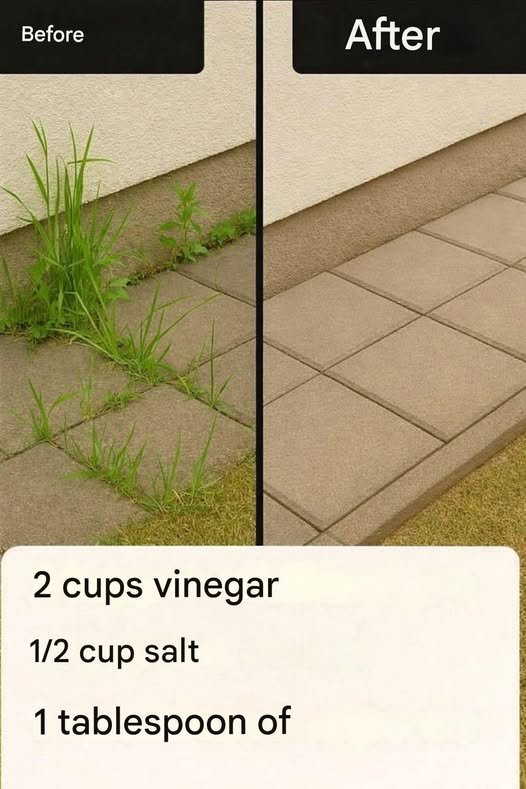
How to Make a Super Effective Homemade Herbicide
Weeds are a constant challenge for gardeners and homeowners. They grow quickly, steal nutrients from your plants, and can make even the most beautiful yard look messy. While many commercial weed killers work well, they often contain harsh chemicals that may harm beneficial insects, pets, soil health, and nearby plants. For those looking for a safer and more natural alternative, learning how to make a homemade herbicide can be a practical and eco-friendly solution.
Homemade herbicides use simple household ingredients that are inexpensive and easy to find. When used correctly, they can effectively control unwanted weeds in driveways, sidewalks, patios, and garden edges without introducing harmful chemicals into your environment.
Why Choose a Homemade Herbicide?
There are several reasons why people prefer homemade weed killers over store-bought products.
First, they are affordable. Many commercial herbicides can be expensive, especially if you have a large area to treat. Homemade versions use everyday kitchen ingredients such as vinegar, salt, and dish soap, making them very budget-friendly.
Second, they are easy to prepare. You don’t need special equipment or complicated instructions. Most homemade herbicides can be mixed in just a few minutes and applied immediately.
Another major benefit is environmental safety. Natural weed killers generally break down more quickly in the soil than synthetic chemicals. This makes them a better choice for families who want to reduce chemical exposure in their gardens.
However, it is still important to use homemade herbicides carefully because they can affect nearby plants if sprayed directly on them.
The Most Popular Homemade Herbicide Recipe
One of the most effective homemade weed killers uses three simple ingredients: vinegar, salt, and dish soap.
Ingredients
-
1 gallon white vinegar
-
1 cup salt
-
1 tablespoon liquid dish soap
Instructions
-
Pour the white vinegar into a large container or bucket.
-
Add the salt and stir until it dissolves completely.
-
Mix in the liquid dish soap.
-
Pour the mixture into a spray bottle or garden sprayer.
-
Spray directly onto the weeds, making sure to coat the leaves thoroughly.
The vinegar works by drawing moisture out of the plant’s leaves, causing them to dry out and die. Salt helps prevent the plant from absorbing water through its roots, which further damages the weed. Dish soap acts as a surfactant, helping the mixture stick to the leaves instead of sliding off.
This combination can produce visible results within hours on sunny days.
Best Time to Apply Homemade Herbicide
For the best results, apply your homemade herbicide during warm, sunny weather. Sunlight helps speed up the drying process and makes the vinegar solution more effective.
Morning or early afternoon is usually the ideal time to spray weeds. Try to avoid windy days because the spray can drift onto nearby plants that you want to keep.
It’s also important to apply the herbicide when the weeds are dry. Rain or watering beforehand can dilute the mixture and reduce its effectiveness.
Where Homemade Herbicides Work Best
Homemade weed killers are most effective on small, young weeds and in areas where you want to prevent plant growth altogether.
Common places to use them include:
-
Sidewalk cracks
-
Driveways
-
Patio stones
-
Gravel paths
-
Fence lines
These areas are ideal because the salt in the mixture can make soil less suitable for plant growth. If you plan to grow plants in the same soil later, it’s better to use vinegar alone without salt.
Alternative Natural Weed Killer Recipes
If you prefer to avoid salt, there are other homemade herbicide options you can try.
Vinegar and Dish Soap Spray
This is a gentler solution that works well for small weeds.
Ingredients:
-
1 gallon white vinegar
-
1 tablespoon dish soap
Simply mix the ingredients and spray directly onto weeds. This mixture kills the visible parts of the plant but may require multiple applications for stubborn weeds.
Boiling Water Method
One of the simplest weed-killing techniques is pouring boiling water directly onto weeds.
The extreme heat destroys the plant cells and causes the weed to wilt quickly. This method works particularly well for weeds growing in sidewalk cracks or between paving stones.
Baking Soda for Cracks and Crevices
Another natural option is baking soda. Sprinkle it directly into cracks where weeds grow. Baking soda changes the soil’s pH and creates an environment that makes it difficult for weeds to survive.
Tips for Best Results
When using homemade herbicides, a few simple tips can help improve effectiveness.
Spray weeds thoroughly so the solution fully coats the leaves. The mixture works through contact, so coverage is important.
Young weeds are easier to kill than mature ones. Treat them early before their root systems become strong.
You may need to repeat the treatment every few days for stubborn weeds, especially perennial varieties that grow back from deep roots.
Also remember that homemade herbicides are non-selective. This means they can damage any plant they touch, including grass and flowers. Always spray carefully and avoid overspray.
Safety Considerations
Even though homemade weed killers use common household ingredients, they should still be handled responsibly.
Salt can accumulate in soil and make it difficult for plants to grow later. For this reason, avoid using salt-based herbicides in garden beds where you plan to plant vegetables or flowers.
Vinegar can also irritate skin and eyes, so wearing gloves and avoiding direct contact is a good idea when mixing and spraying.
Keep the mixture away from pets and children until it has dried completely.
A Simple and Natural Way to Control Weeds
Making your own homemade herbicide is a simple and practical way to manage weeds without relying on strong commercial chemicals. With just a few affordable ingredients, you can create an effective solution that helps keep driveways, patios, and garden edges clean and weed-free.
While homemade herbicides may not completely replace commercial products for very large infestations, they are an excellent option for routine maintenance and small problem areas.