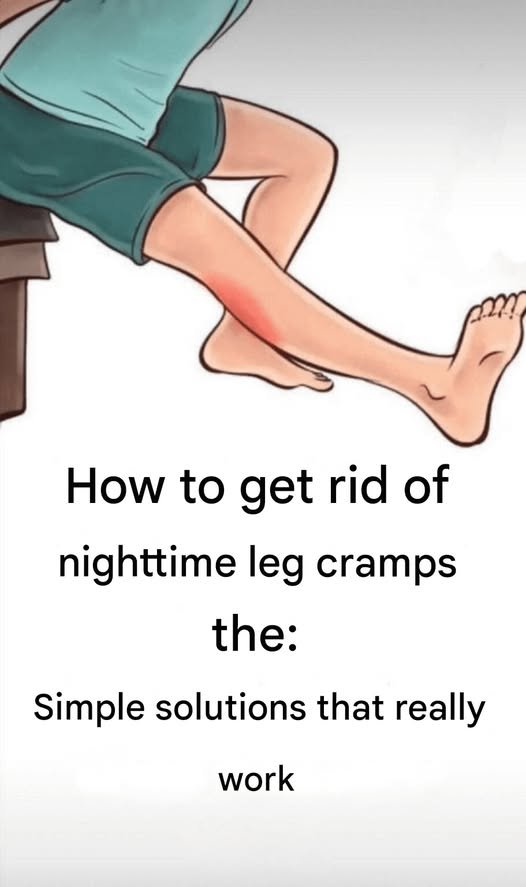
Nighttime leg cramps can be painful and disrupt sleep, but there are several simple strategies that can help prevent or relieve them. Here’s a practical, science-backed guide with easy-to-implement solutions.
1. Stretch Before Bed
Tight muscles are often the cause of nighttime cramps, especially in the calves and hamstrings. Gentle stretching can reduce their frequency.
Calf Stretch:
- Stand facing a wall with one foot forward and one foot back.
- Keep your back leg straight and heel on the floor.
- Lean into the wall until you feel a stretch in your calf.
- Hold 20–30 seconds per leg.
Hamstring Stretch:
-
Sit on the floor with legs straight.
-
Reach toward your toes slowly, keeping your back straight.
-
Hold for 20–30 seconds.
Doing stretches nightly can relax the muscles and reduce cramps.
2. Stay Hydrated
Dehydration is a common contributor to muscle cramps. Drinking enough water throughout the day helps muscles function properly.
-
Aim for at least 8 glasses of water daily.
-
Include electrolyte-rich drinks if you sweat a lot during exercise.
3. Maintain Mineral Balance
Deficiencies in certain minerals can trigger cramps. Key minerals include:
-
Magnesium: Helps muscles relax. Found in nuts, seeds, leafy greens.
-
Potassium: Supports muscle function. Found in bananas, sweet potatoes, oranges.
-
Calcium: Important for muscle contraction and relaxation. Found in dairy or fortified plant milks.
A balanced diet with these nutrients often prevents cramps.
4. Adjust Sleeping Position
Your position can affect leg cramps:
-
Avoid pointing your toes downward while sleeping. Flex your feet toward your body occasionally.
-
Try sleeping on your back or side with a pillow under your knees for slight elevation.
5. Massage and Warmth
If a cramp strikes:
-
Massage: Rub the cramped muscle gently to relax it.
-
Warm Compress or Heating Pad: Heat increases blood flow and helps the muscle relax.
-
Warm Bath: Soaking in warm water before bed can reduce nightly cramps.
6. Light Movement
Gentle movement can relieve cramps quickly:
-
Stand up and walk around for a few minutes.
-
Stretch the affected muscle by flexing your foot toward your shin.
7. Footwear and Exercise Habits
-
Wearing shoes that support your arches and heels reduces calf strain.
-
Avoid overexertion without proper warm-up.
-
Incorporate light stretching after exercise.
8. Consider Supplements (if necessary)
If cramps persist despite lifestyle changes, some people benefit from:
-
Magnesium supplements (consult a doctor first)
-
Vitamin D or calcium supplementation if deficient
Quick Relief During a Cramp
-
Stand and put weight on the affected leg.
-
Flex your foot upward (toward your shin).
-
Massage and stretch the muscle gently.
-
Apply heat if necessary.
Key Takeaways
-
Stretching, hydration, and mineral-rich foods are the most effective prevention strategies.
-
Adjust sleeping position and avoid pointing toes downward.
-
Massage, warmth, and gentle movement work well for immediate relief.
-
Persistent cramps may indicate deficiencies or other conditions — see a doctor if frequent or severe.