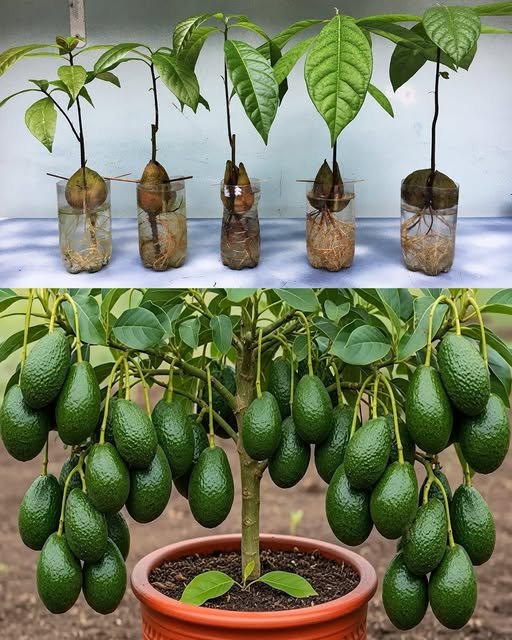
How Do Farmers Grow Avocado Trees?
Avocados are one of the world’s most popular fruits, loved for their creamy texture, nutritional value, and versatility in cooking. But have you ever wondered how these luscious fruits go from tiny seeds to thriving trees on a farm? Growing avocado trees is a fascinating process that combines careful planning, patience, and knowledge of the tree’s unique requirements. Here’s a step-by-step look at how farmers cultivate avocado trees successfully.
Understanding the Avocado Tree
Avocado trees (Persea americana) are native to Central and South America. They thrive in subtropical and tropical climates, where frost is minimal, temperatures are moderate, and rainfall is well-distributed. There are several varieties, including Hass, Fuerte, Bacon, and Reed, each with unique flavor, size, and growth characteristics.
Farmers choose their variety based on climate, market demand, and intended use. Hass avocados, for example, dominate global markets due to their long shelf life and rich flavor.
Step 1: Selecting the Right Site
Site selection is critical for avocado farming. Avocado trees need:
-
Well-draining soil: Avocados are highly susceptible to root rot if the soil is waterlogged. Sandy loam or volcanic soils are ideal.
-
Full sunlight: Trees need at least 6–8 hours of direct sunlight daily.
-
Shelter from strong winds: Windbreaks or planting on gentle slopes can protect trees and prevent fruit drop.
-
Frost-free environment: Temperatures below -1°C (30°F) can damage young trees and blossoms.
Farmers also consider irrigation access, soil fertility, and land history to avoid diseases and pests.
Step 2: Propagation – Seeds or Grafting?
Avocado trees can be grown from seeds or grafted seedlings, but commercial farmers usually prefer grafting.
-
Seed-grown trees: Easy to grow at home, but they may take 7–15 years to produce fruit and may not produce fruit true to the parent tree.
-
Grafted trees: Farmers take a branch (scion) from a high-yielding variety and attach it to a rootstock grown from seed. Grafting ensures faster fruit production (3–4 years) and consistent fruit quality.
The rootstock is often chosen for disease resistance, tolerance to soil conditions, and vigor.
Step 3: Planting Young Trees
Young avocado trees are usually planted in holes twice the size of the root ball. Farmers:
-
Add organic matter or compost to enrich the soil.
-
Position the tree so the top of the root ball is slightly above ground level.
-
Water thoroughly after planting to settle the soil.
Spacing is important: most avocado varieties need 20–30 feet (6–9 meters) between trees to allow for full canopy growth and proper air circulation.
Step 4: Watering and Irrigation
Avocado trees need consistent moisture but cannot tolerate waterlogged soil. Farmers often install drip irrigation systems to deliver water directly to the root zone. Proper irrigation:
-
Supports steady growth
-
Prevents fruit drop
-
Reduces root diseases
Young trees may require frequent watering, while mature trees need less frequent but deeper watering to encourage strong root development.
Step 5: Fertilization
Fertility management is key to healthy avocado trees. Farmers use:
-
Nitrogen-rich fertilizers to promote vegetative growth
-
Phosphorus and potassium for flowering and fruiting
-
Micronutrients like zinc and boron for overall tree health
Fertilization schedules vary based on tree age, soil tests, and climate. Organic compost and mulching are also common to improve soil structure and retain moisture.
Step 6: Pruning
Pruning is essential to shape the tree, improve sunlight penetration, and prevent diseases. Farmers:
-
Remove dead or diseased branches
-
Open up the canopy for better air circulation
-
Maintain a manageable tree height for easier harvesting
Proper pruning increases fruit yield and quality.
Step 7: Pest and Disease Management
Avocado trees are prone to pests and diseases such as:
-
Root rot (Phytophthora cinnamomi) – one of the most common problems
-
Avocado thrips – can damage fruit
-
Persea mites and borers – affect leaves and branches
Farmers use integrated pest management (IPM): biological control, careful monitoring, and limited chemical treatments to protect trees while maintaining environmental sustainability.
Step 8: Pollination
Avocado trees have a unique pollination system. Most varieties are “A-type” or “B-type” flowers, which open in the morning and afternoon on different days. Farmers may plant a mix of A- and B-type trees to enhance pollination and fruit set. Bees and other pollinators play a crucial role in helping flowers set fruit.
Step 9: Harvesting
Avocados do not ripen on the tree. Farmers monitor size, color, and firmness to determine when to harvest. Mature fruit is picked carefully by hand to avoid bruising. Depending on the variety, avocados may be harvested 6–18 months after flowering.
After harvesting, fruit is usually sorted, cleaned, and sometimes stored in controlled temperatures before being sent to market.
Step 10: Ongoing Care
Avocado trees are perennial crops, meaning they can produce fruit for decades with proper care. Farmers continue to monitor:
-
Soil moisture and fertility
-
Pest and disease outbreaks
-
Pruning needs
-
Mulching to conserve water
With attentive care, a well-managed avocado orchard can remain productive for 20–30 years or more.
Final Thoughts
Growing avocado trees is a rewarding but long-term endeavor. From selecting the right site and variety to proper irrigation, fertilization, pruning, and harvesting, each step requires attention and patience. Farmers combine traditional knowledge, modern horticultural techniques, and sustainable practices to ensure that avocado trees produce healthy, high-quality fruit.
Whether it’s the creamy Hass avocado or a local heirloom variety, every avocado on your table represents years of careful cultivation and dedication. Understanding this process helps us appreciate the skill and effort that goes into bringing one of the world’s most beloved fruits from tree to plate.