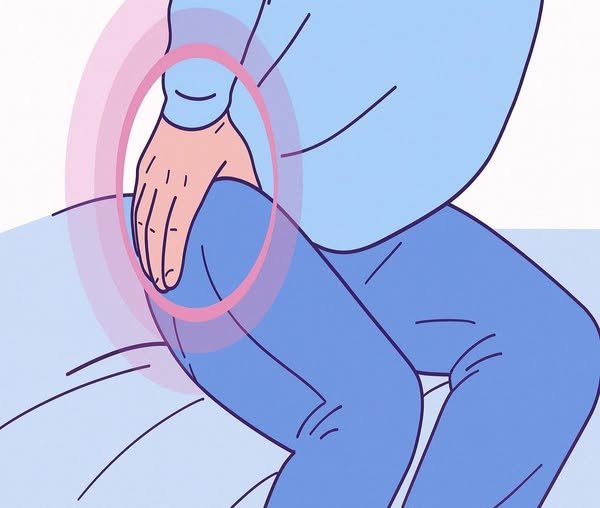
Hip Pain: What It Could Mean and When to Be Concerned
Hip pain is a common complaint that can affect people of all ages. It may appear suddenly after an injury or gradually over time due to aging or overuse. Because the hip is a complex joint involving bones, muscles, tendons, and nerves, the source of pain can vary widely. Understanding what hip pain might mean can help you determine whether it’s minor and temporary or requires medical attention.
Common Causes of Hip Pain
1. Arthritis
Osteoarthritis is one of the most frequent causes of hip pain, especially in older adults. The cartilage that cushions the hip joint wears down, leading to:
-
Stiffness, especially in the morning
-
Pain when walking or climbing stairs
-
Swelling or tenderness around the joint
Rheumatoid arthritis is less common but can also affect the hips, causing inflammation and pain.
2. Hip Bursitis
Bursae are small fluid-filled sacs that reduce friction in the hip. When these become inflamed—a condition called bursitis—it can cause:
-
Sharp or burning pain on the outer hip
-
Pain that worsens with activity or lying on the affected side
-
Tenderness to touch
Bursitis often develops due to repetitive movements or prolonged pressure on the hip.
3. Tendinitis
Tendons connect muscles to bones. Overuse or strain can cause tendinitis, leading to:
-
Aching or tenderness near the hip joint
-
Pain that worsens with movement
-
Swelling or warmth in some cases
Athletes, runners, and active individuals are particularly prone to hip tendinitis.
4. Muscle Strain
Overstretching or tearing muscles around the hip can cause pain and limited mobility. Commonly affected muscles include the hip flexors, glutes, and adductors. Pain may be:
-
Sharp or stabbing during movement
-
Lingering soreness afterward
-
Accompanied by bruising or swelling in severe cases
5. Hip Fractures
Fractures are more common in older adults, especially those with osteoporosis. Hip fractures usually result from falls or trauma and often cause:
-
Severe pain in the hip or groin
-
Difficulty or inability to bear weight
-
Swelling, bruising, or deformity
Hip fractures are a medical emergency and require immediate attention.
6. Referred Pain
Sometimes hip pain is not caused by the hip itself but by issues in nearby areas, such as:
-
Lower back problems (e.g., herniated discs)
-
Sciatica or nerve compression
-
Pelvic or abdominal conditions
Referred pain can make diagnosing the cause of hip discomfort tricky.
Symptoms to Watch For
While mild hip pain may improve with rest or home care, certain signs indicate you should seek medical evaluation:
-
Pain that persists for more than a few weeks
-
Severe pain or inability to move the hip
-
Swelling, redness, or warmth around the joint
-
Pain accompanied by fever or unexplained weight loss
-
Numbness, tingling, or weakness in the leg
Treatment Options
Treatment depends on the underlying cause but may include:
-
Rest and activity modification – Avoiding activities that worsen pain
-
Ice or heat therapy – Ice reduces inflammation, heat relaxes muscles
-
Physical therapy – Strengthening surrounding muscles and improving flexibility
-
Medications – Pain relievers, anti-inflammatory drugs, or joint injections
-
Surgery – In severe cases, such as advanced arthritis or fractures, procedures like hip replacement may be necessary
Lifestyle Tips for Preventing Hip Pain
-
Maintain a healthy weight to reduce stress on the hip joints
-
Exercise regularly, focusing on low-impact activities like swimming or cycling
-
Practice good posture and body mechanics to protect the hips
-
Incorporate stretching and strengthening exercises for hip muscles
-
Ensure adequate calcium and vitamin D intake for bone health
When to See a Doctor
Hip pain is not always a sign of something serious, but it’s important to listen to your body. If the pain is severe, persistent, or accompanied by other concerning symptoms, seek medical advice. Early diagnosis and treatment can prevent further complications and improve mobility and quality of life.
In short, hip pain can mean many things—from temporary muscle strain to serious conditions like arthritis or fractures. Understanding the cause and acting promptly is key to relief and long-term joint health.