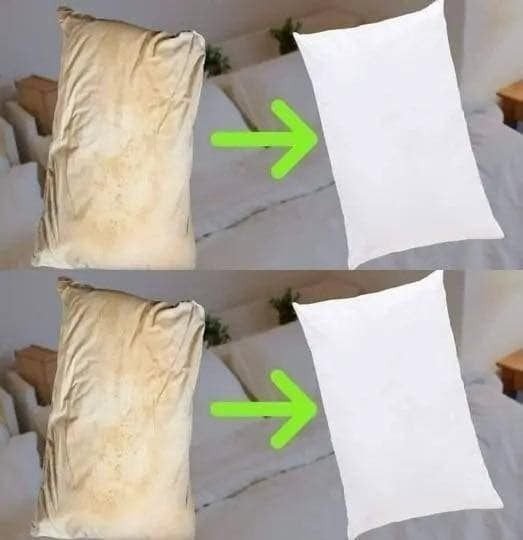
Here’s How to Clean Dirty Bed Pillows to Leave Them White and Smelling Sweet
Bed pillows play an essential role in our daily comfort and sleep quality. We rest our heads on them every night, yet they are often one of the most overlooked items when it comes to cleaning. Over time, pillows can accumulate sweat, body oils, dust mites, and stains that cause them to turn yellow and develop unpleasant odors. The good news is that with the right cleaning methods, you can restore your pillows to a fresh, white, and sweet-smelling condition.
Regularly washing your pillows not only improves their appearance but also helps maintain better hygiene and sleep health. Let’s explore why pillows get dirty and the most effective ways to clean them properly.
Why Bed Pillows Become Dirty
Even if you use pillowcases and wash them frequently, pillows themselves gradually collect dirt and moisture. Several factors contribute to this buildup:
Sweat and body oils:
While sleeping, your body naturally releases sweat and oils that soak into the pillow over time.
Hair products and skincare:
Lotions, conditioners, and hair oils can transfer onto pillows during the night.
Dust mites and allergens:
Pillows can harbor dust mites, which thrive in warm, humid environments.
Saliva and humidity:
Breathing and occasional drooling during sleep add moisture to pillows, which can lead to odors.
Because of these factors, experts recommend washing pillows every three to six months to keep them clean and hygienic.
Check the Pillow Label First
Before cleaning your pillows, always check the care label. Most pillows made from cotton, polyester, or down alternatives can be safely washed in a washing machine. However, some materials such as memory foam or latex usually require spot cleaning instead of machine washing.
Understanding the pillow’s material will help you choose the correct cleaning method and avoid damaging it.
Washing Pillows in the Washing Machine
Many standard pillows can be cleaned easily in the washing machine. Follow these steps to restore their brightness and freshness.
1. Load the pillows correctly
Place two pillows in the washing machine at the same time to keep the load balanced. This helps the machine spin evenly and prevents damage.
2. Use warm water and mild detergent
Select a gentle cycle with warm water. Add a small amount of mild laundry detergent to remove dirt and oils.
3. Add natural whitening ingredients
To help remove yellow stains and restore whiteness, you can add one of the following:
-
Half a cup of baking soda
-
One cup of white vinegar
-
A small amount of oxygen-based bleach
These ingredients help break down stains and eliminate odors.
4. Run an extra rinse cycle
Pillows tend to absorb detergent, so an additional rinse cycle ensures all soap residue is removed.
Drying Pillows Properly
Drying pillows correctly is just as important as washing them. Improper drying can lead to clumping or mildew.
Use a low heat setting:
Place the pillows in a dryer on a low or medium heat setting.
Add dryer balls or tennis balls:
Toss in a couple of clean tennis balls or dryer balls to help fluff the pillows and prevent clumping.
Check for complete dryness:
Pillows should be completely dry before use. Any remaining moisture can cause mold or unpleasant smells.
If weather allows, you can also air-dry pillows in direct sunlight, which naturally helps remove bacteria and odors.
How to Clean Memory Foam Pillows
Memory foam pillows cannot usually be placed in the washing machine because water can damage the foam structure.
Instead, follow these steps:
-
Remove the pillow cover and wash it separately.
-
Mix warm water with a small amount of mild detergent.
-
Dip a clean cloth in the solution and gently blot stained areas.
-
Use another cloth with clean water to remove soap residue.
-
Allow the pillow to air dry completely in a well-ventilated area.
You can also sprinkle baking soda over the pillow surface, let it sit for about an hour, and then vacuum it to remove odors.
Removing Yellow Stains from Pillows
Yellow stains are usually caused by sweat and oils that build up over time. Fortunately, they can often be removed with simple household ingredients.
A common cleaning mixture includes:
-
1 cup laundry detergent
-
1 cup dishwasher detergent
-
1 cup bleach or oxygen bleach
-
½ cup borax
Add these ingredients to hot water in your washing machine and run a normal wash cycle. This powerful combination can help lift stubborn stains and restore the pillow’s bright appearance.
Keeping Pillows Smelling Fresh
Once your pillows are clean, you can keep them smelling fresh longer by following a few simple habits.
Use pillow protectors:
Protective covers add an extra layer that prevents sweat and oils from reaching the pillow.
Wash pillowcases regularly:
Changing pillowcases once or twice a week reduces dirt buildup.
Air pillows out:
Occasionally placing pillows in fresh air or sunlight helps eliminate moisture and odors.
Avoid going to bed with wet hair:
Wet hair adds unnecessary moisture to pillows, which can lead to mildew smells.
When It’s Time to Replace Your Pillow
Even with proper cleaning, pillows don’t last forever. Over time they lose their shape and support.
Most sleep experts recommend replacing pillows every one to two years depending on their quality and condition.
Signs it may be time for a new pillow include:
-
Persistent odors or stains
-
Loss of shape or lumpiness
-
Neck discomfort while sleeping
-
Reduced support
Replacing old pillows ensures better sleep comfort and hygiene.
Final Thoughts
Cleaning your bed pillows is an important yet often forgotten part of maintaining a healthy sleeping environment. Over time, pillows absorb sweat, oils, and dust that can cause stains and unpleasant smells. Fortunately, with simple cleaning techniques and household ingredients like baking soda and vinegar, you can restore them to a bright, fresh, and sweet-smelling condition.