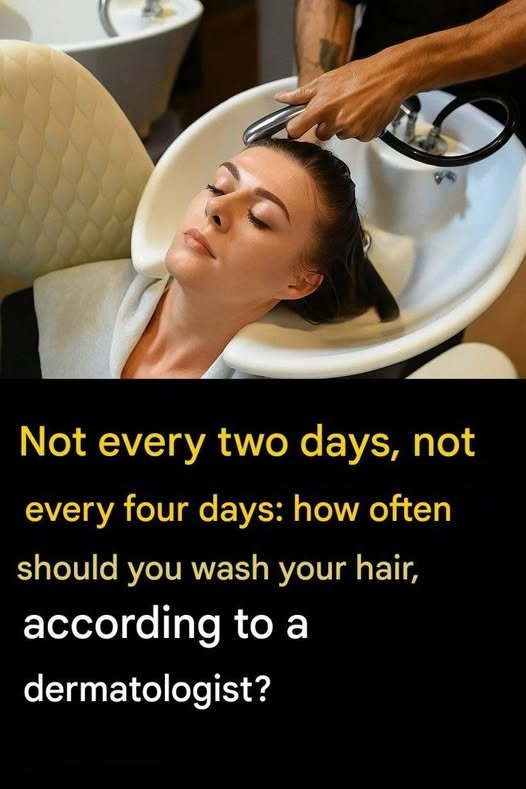
Here’s How Often You Should Wash Your Hair, According to a Dermatologist
Hair care routines vary widely from person to person. Some people wash their hair every day, while others prefer to go several days—or even a week—between washes. With so many opinions circulating online, it’s easy to feel confused about what’s actually best for your scalp and hair. According to dermatologists, there is no single rule that works for everyone. The ideal hair-washing schedule depends on factors such as hair type, scalp condition, lifestyle, and even age.
Understanding how often to wash your hair can help keep your scalp healthy, your hair strong, and your style looking fresh. Here’s what dermatology experts recommend and how you can determine the best routine for your own hair.
Why Washing Your Hair Matters
Washing your hair does more than simply keep it looking clean. Shampoo removes dirt, sweat, oil, and product buildup from your scalp and strands. If these substances accumulate for too long, they can clog hair follicles, cause irritation, and lead to issues such as dandruff or itching.
At the same time, washing too frequently can strip away the natural oils produced by your scalp. These oils, known as sebum, are essential for keeping hair moisturized, smooth, and protected. When they are removed too often, hair may become dry, brittle, and more prone to breakage.
Dermatologists say the key is finding the right balance between cleanliness and maintaining the scalp’s natural oils.
The General Guideline
For most people, dermatologists recommend washing hair two to three times per week. This frequency allows enough cleansing to remove oil and dirt while preserving the natural oils that protect your hair.
However, this guideline isn’t universal. Some people may need to wash their hair more frequently, while others can go longer between washes without any issues.
Hair Type Plays a Big Role
One of the biggest factors determining how often you should wash your hair is your hair type.
Straight hair tends to get oily faster because sebum travels more easily down the hair shaft. People with straight hair may find that washing every day or every other day works best.
Wavy hair usually requires washing every two to three days. This helps keep the hair fresh without removing too much moisture.
Curly hair tends to be drier because natural oils take longer to move down the twists and curves of the hair strands. For this reason, dermatologists often recommend washing curly hair once or twice a week.
Coily or tightly textured hair is typically the driest hair type. People with this texture may only need to wash their hair once every week or even every two weeks, depending on their scalp condition and styling routine.
Your Scalp Condition Matters
While hair type is important, your scalp health is equally crucial when deciding how often to shampoo.
People with oily scalps may need to wash their hair more frequently. Excess oil can make hair look greasy and may attract dirt and bacteria.
Those with dry scalps may benefit from washing less often to prevent irritation and flaking.
If you experience dandruff or scalp conditions, dermatologists may recommend washing more frequently with a medicated shampoo to control symptoms.
Paying attention to how your scalp feels can help you determine whether your current routine is working.
Lifestyle Factors Affect Washing Frequency
Your daily habits can also influence how often you should wash your hair.
For example, if you exercise frequently and sweat heavily, you may need to wash your hair more often. Sweat can mix with oil and create buildup on the scalp, which may cause odor or discomfort if left unwashed.
People who use a lot of styling products such as hairspray, gel, or mousse may also benefit from more frequent washing to remove product residue.
Climate plays a role as well. In hot and humid environments, the scalp tends to produce more oil, which may require more frequent shampooing.
Signs You May Be Washing Too Often
Washing your hair too frequently can cause several noticeable problems. Some signs include:
-
Hair that feels dry or brittle
-
Increased frizz
-
Split ends
-
A tight or itchy scalp
-
Hair that becomes dull and lifeless
If you notice these symptoms, dermatologists often recommend spacing out your washes and using moisturizing hair products.
Signs You May Not Be Washing Enough
On the other hand, waiting too long between washes can also cause issues. Signs that your hair may need more frequent washing include:
-
Greasy or heavy hair
-
Persistent scalp itching
-
Unpleasant odor
-
Visible product buildup
-
Flakes or irritation
Keeping your scalp clean helps prevent clogged follicles and supports healthy hair growth.
Tips for Healthy Hair Washing
Dermatologists also emphasize that how you wash your hair is just as important as how often you wash it.
Here are a few expert tips:
Use lukewarm water rather than very hot water, which can dry out the scalp.
Focus shampoo on the scalp instead of the ends of your hair. The ends will be cleaned as the shampoo rinses through them.
Use conditioner mainly on the mid-lengths and ends of your hair to maintain moisture.
Avoid harsh scrubbing with your nails, which can irritate the scalp. Gentle massage with your fingertips is enough.
Choose a shampoo suitable for your hair type, whether it’s moisturizing, volumizing, or designed for oily scalps.
Listening to Your Hair
Dermatologists often say the best way to determine your washing schedule is to listen to your hair and scalp. Everyone’s oil production, hair texture, and lifestyle are different.
Instead of following strict rules, observe how your hair behaves. If it looks clean, feels comfortable, and maintains its natural shine and softness, your routine is likely working well.
You can also experiment with gradually adjusting your washing schedule to find the balance that suits you best.
Final Thoughts
There is no universal answer to how often you should wash your hair. While dermatologists often suggest washing two to three times per week for many people, the ideal routine ultimately depends on your hair type, scalp condition, and lifestyle.
Straight or oily hair may require more frequent washing, while curly or textured hair often benefits from longer intervals between shampoos. By paying attention to how your scalp and hair respond, you can develop a routine that keeps both healthy and manageable.