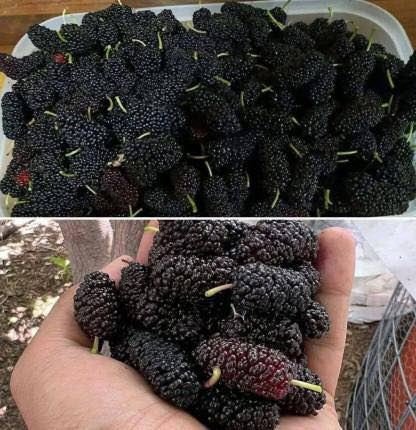
Have You Ever Tasted Them? Discover the Benefits of Fresh Mulberries
Fresh mulberries are one of nature’s most overlooked seasonal treasures. Soft, juicy, and delicately sweet, these berries appear briefly each year and are often enjoyed straight from the tree. While many people recognize blueberries or strawberries as superfoods, mulberries quietly offer impressive nutritional value of their own.
Used traditionally in many cultures and now gaining renewed attention, fresh mulberries are valued for their nutrients that support overall wellness—including eye health and cardiovascular balance—when enjoyed as part of a healthy diet.
What Are Fresh Mulberries?
Mulberries are the fruit of the Morus tree and come in several varieties, most commonly:
-
Black mulberries
-
Red mulberries
-
White mulberries
When fresh, they are tender and highly perishable, which is why they’re rarely found in supermarkets. Their short harvest season makes them a true seasonal delicacy.
Flavor-wise, mulberries are mildly sweet with a hint of tartness, often described as a cross between blackberries and figs.
Nutritional Profile of Mulberries
Fresh mulberries are naturally low in calories and rich in essential nutrients.
They contain:
-
Vitamin C
-
Vitamin A (in the form of carotenoids)
-
Iron
-
Potassium
-
Dietary fiber
-
Polyphenols and flavonoids (plant antioxidants)
These compounds are what give mulberries their reputation as a wellness-supportive fruit.
Mulberries and Eye Health Support
Mulberries contain vitamin A and antioxidant compounds, which are known to play a role in maintaining normal vision and protecting eye cells from oxidative stress.
How Mulberries May Support Eye Health
-
Vitamin A contributes to normal visual function
-
Antioxidants help protect eye tissues from environmental damage
-
Plant pigments may support long-term eye wellness
While mulberries are not a cure for eye conditions, including them in a varied diet may help support overall eye health.
Supporting Healthy Blood Pressure Naturally
Fresh mulberries are a source of potassium, a mineral that plays an important role in maintaining normal fluid balance and supporting cardiovascular health.
Why Potassium Matters
-
Helps balance sodium levels in the body
-
Supports normal blood vessel function
-
Plays a role in heart rhythm regulation
In traditional diets, potassium-rich fruits like mulberries were valued as part of balanced eating patterns that support heart health. However, they should complement—not replace—medical advice or treatment.
Antioxidant Power of Mulberries
Mulberries are rich in polyphenols and anthocyanins, compounds responsible for their deep color and antioxidant activity.
Antioxidants help:
-
Neutralize free radicals
-
Support cellular health
-
Reduce oxidative stress
Diets rich in antioxidant-containing fruits are associated with overall wellness and healthy aging.
Digestive and Metabolic Support
Thanks to their fiber content, mulberries may support digestion by:
-
Promoting regular bowel movement
-
Supporting gut health
-
Helping maintain balanced blood sugar response when eaten with meals
Fiber also contributes to satiety, making mulberries a satisfying snack despite their light calorie count.
Traditional Uses of Mulberries
Across Asia, the Middle East, and parts of Europe, mulberries have been enjoyed for centuries in both culinary and traditional wellness contexts.
Historically, they were:
-
Eaten fresh during harvest season
-
Dried for long-term storage
-
Used in syrups, teas, and preserves
-
Valued as a cooling fruit in warm climates
These traditional uses reflect long-standing respect for the fruit’s nourishing properties.
How to Enjoy Fresh Mulberries
Because they’re delicate, fresh mulberries are best eaten soon after picking.
Simple Ways to Use Mulberries
-
Enjoy fresh as a snack
-
Add to yogurt or oatmeal
-
Blend into smoothies
-
Use in fruit salads
-
Make mulberry jam or compote
They pair beautifully with honey, lemon, and dairy or plant-based yogurt.
Fresh vs. Dried Mulberries
Fresh mulberries are:
-
Juicier
-
Lower in calories per serving
-
Higher in vitamin C
Dried mulberries are:
-
Sweeter
-
More calorie-dense
-
Longer-lasting
Both have nutritional value, but fresh mulberries are especially refreshing during their short season.
Important Notes and Moderation
While mulberries are nutritious, they should be consumed as part of a varied diet.
-
Wash thoroughly before eating
-
Eat in moderation
-
Those with medical conditions should consult a healthcare provider
-
Avoid unripe mulberries, which can cause digestive discomfort
Natural foods support wellness best when enjoyed responsibly.
Why Mulberries Deserve More Attention
Mulberries may not have the marketing spotlight of other berries, but their nutritional profile, traditional history, and delicate flavor make them truly special. Their brief seasonal availability adds to their charm and encourages mindful, seasonal eating.
They remind us that some of the most valuable foods are the ones growing quietly nearby, waiting to be rediscovered.
Final Thoughts
Fresh mulberries are more than just a nostalgic fruit—they’re a nutrient-rich, antioxidant-packed seasonal gift. When enjoyed as part of a balanced diet, they can support overall wellness, including eye health and cardiovascular balance.
If you ever get the chance to taste fresh mulberries straight from the tree, you’re experiencing a tradition that spans generations—simple, natural, and deeply nourishing.