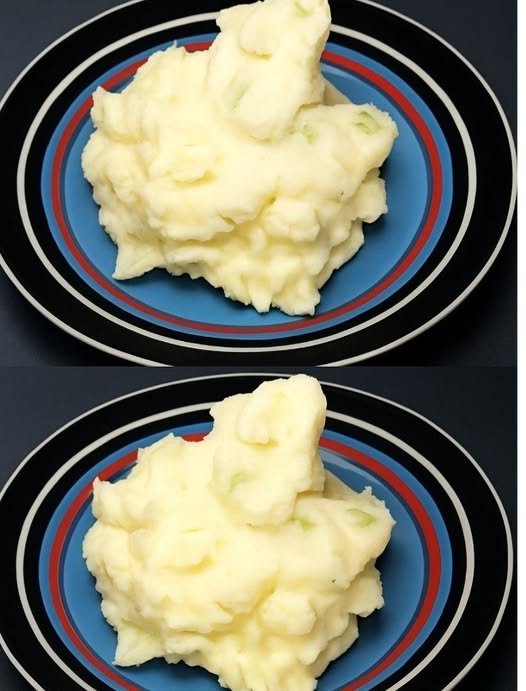
Grandma’s Mashed Potatoes
Few dishes bring the same feeling of warmth and nostalgia as a bowl of homemade mashed potatoes. Creamy, fluffy, and rich with buttery flavor, Grandma’s Mashed Potatoes are the kind of comforting side dish that has been passed down through generations. Whether served at Sunday dinner, holiday gatherings, or alongside a hearty weeknight meal, these classic mashed potatoes always find a special place at the table.
The beauty of traditional mashed potatoes lies in their simplicity. With just a few basic ingredients—potatoes, butter, milk, and seasoning—you can create a dish that is both comforting and incredibly satisfying. What makes grandma’s version so special is the technique: cooking the potatoes just right, adding plenty of butter, and mashing them until they reach that perfect balance between creamy and fluffy.
This recipe captures that timeless homemade taste while remaining easy enough for anyone to prepare. Once you try these mashed potatoes, they may quickly become your go-to side dish for family meals.
Why You’ll Love This Recipe
Grandma’s Mashed Potatoes stand out because of their rich flavor and comforting texture.
First, they are perfectly creamy and fluffy. Properly cooked potatoes and the right amount of butter and milk create a smooth consistency that melts in your mouth.
Second, the recipe uses simple pantry ingredients that are easy to find and affordable. You don’t need anything fancy to achieve amazing flavor.
Another reason this recipe is beloved is its versatility. These mashed potatoes pair beautifully with roasted chicken, meatloaf, steak, turkey, or even vegetables. They also serve as a wonderful base for gravy.
Finally, the recipe is family-friendly and timeless. It’s the type of dish that reminds many people of comforting home-cooked meals and gatherings around the dinner table.
Ingredients
To make this classic mashed potato recipe, you’ll need:
- 2 pounds potatoes (Yukon Gold or Russet work best)
- ½ cup unsalted butter
- ¾ cup warm milk or cream
- 1 teaspoon salt (or to taste)
- ½ teaspoon black pepper
- 2 tablespoons sour cream (optional for extra creaminess)
- Fresh chives or parsley for garnish (optional)
Choosing the Best Potatoes
The type of potato you use plays an important role in the final texture.
Russet potatoes create very fluffy mashed potatoes because of their high starch content. They absorb butter and milk beautifully, resulting in a light and airy texture.
Yukon Gold potatoes, on the other hand, produce a naturally creamy mash with a slightly buttery flavor.
Some cooks even combine both types to achieve the best balance of fluffiness and creaminess.
Step-by-Step Instructions
1. Peel and cut the potatoes
Start by peeling the potatoes and rinsing them under cold water. Cut them into evenly sized chunks, about 1½ to 2 inches wide. Keeping the pieces similar in size ensures that they cook evenly.
2. Boil the potatoes
Place the potato pieces into a large pot and cover them with cold water. Add about ½ teaspoon of salt to the water.
Bring the pot to a boil over medium-high heat, then reduce to a gentle boil and cook for about 15–20 minutes, or until the potatoes are fork-tender.
You should be able to easily pierce them with a fork without resistance.
3. Drain and dry the potatoes
Drain the potatoes thoroughly in a colander. For extra fluffy mashed potatoes, return the drained potatoes to the warm pot and let them sit for a minute or two. This step allows excess moisture to evaporate.
Removing extra water helps create a smoother, richer mash.
4. Mash the potatoes
Add the butter to the hot potatoes so it begins to melt immediately.
Using a potato masher or ricer, mash the potatoes until smooth. Avoid overmixing, as this can make the potatoes sticky or gluey.
5. Add milk and seasonings
Gradually pour in the warm milk or cream while continuing to mash. Stir gently until the potatoes reach your desired consistency.
Add salt, black pepper, and sour cream if using. Taste and adjust the seasoning as needed.
6. Serve warm
Transfer the mashed potatoes to a serving bowl and top with a small pat of butter.
Sprinkle chopped chives or parsley on top for a fresh finishing touch.
Serve immediately while hot and creamy.
Tips for Perfect Mashed Potatoes
For the best results, always start cooking the potatoes in cold water. This helps them cook evenly from the inside out.
Make sure the milk or cream is warm before adding it. Cold liquid can cool the potatoes and affect the final texture.
Avoid using a blender or food processor to mash potatoes, as this can release too much starch and create a gummy consistency.
For extra richness, replace part of the milk with heavy cream or add cream cheese.
Delicious Variations
Grandma’s mashed potatoes can easily be customized with additional flavors.
For garlic mashed potatoes, stir in roasted or sautéed garlic.
For a cheesy twist, mix in shredded cheddar or Parmesan cheese.
You can also add crispy bacon bits and green onions for a loaded potato version that tastes like a baked potato in mashed form.
Herbs like rosemary, thyme, or dill can add a fresh and aromatic flavor as well.
Storage and Reheating
Leftover mashed potatoes store well and can be enjoyed later.
Place them in an airtight container and refrigerate for up to 3–4 days.
To reheat, warm them gently on the stovetop or in the microwave. Add a splash of milk or butter while reheating to restore their creamy texture.
Mashed potatoes can also be frozen for up to 2 months, although freshly made potatoes always have the best texture.
Serving Suggestions
Grandma’s Mashed Potatoes pair wonderfully with a wide variety of dishes.
They are perfect alongside roast chicken, turkey, meatloaf, beef stew, or grilled steak. They also complement vegetables such as green beans, roasted carrots, or sautéed spinach.
During the holidays, they are a must-have side dish for festive meals, especially when served with rich gravy.
Final Thoughts
Grandma’s Mashed Potatoes are more than just a side dish—they’re a comforting tradition that brings people together around the table. With their creamy texture, buttery flavor, and simple preparation, they capture everything that makes homemade cooking so special.