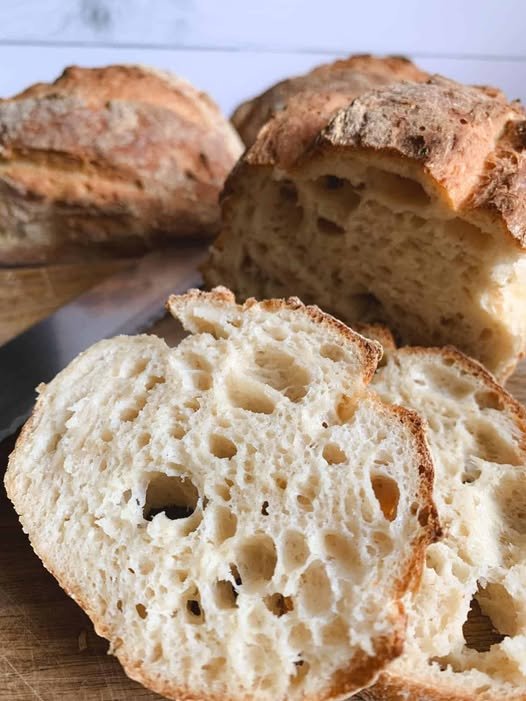
Gluten-Free Vegan Sourdough Bread: A Healthy Twist on a Classic
Sourdough bread has long been a favorite for its tangy flavor, chewy texture, and natural fermentation process. But for those following a gluten-free or vegan lifestyle, enjoying a slice of traditional sourdough can be challenging. That’s where Gluten-Free Vegan Sourdough Bread comes in—a wholesome, flavorful alternative that combines the health benefits of sourdough fermentation with the accessibility of plant-based, gluten-free ingredients.
This bread is not just a dietary compromise; it’s a culinary delight. With its crisp crust, tender crumb, and slightly tangy flavor, gluten-free vegan sourdough can rival traditional loaves, making it perfect for sandwiches, toasts, or enjoying with a simple smear of vegan butter.
Why Choose Gluten-Free Vegan Sourdough Bread
1. Digestive Benefits
Sourdough bread is naturally fermented using wild yeast and lactic acid bacteria. This fermentation:
-
Breaks down starches, making the bread easier to digest.
-
Can reduce the glycemic index, helping to prevent blood sugar spikes.
-
Supports gut health due to the presence of naturally occurring probiotics in the starter (though most are reduced during baking).
2. Gluten-Free Advantages
For people with celiac disease or gluten sensitivity, traditional wheat-based sourdough is off-limits. Gluten-free sourdough uses alternatives such as:
-
Brown rice flour
-
Oat flour (certified gluten-free)
-
Sorghum, millet, or buckwheat flour
These grains are naturally free of gluten, making the bread safe and nourishing while still delivering a hearty, satisfying texture.
3. Vegan-Friendly
Vegan sourdough avoids animal products entirely: no eggs, milk, or butter. The dough relies on:
-
Plant-based milk or water for hydration
-
Oils (like olive or coconut) to enrich the bread if desired
-
Natural sweeteners like maple syrup or agave for activating the starter
This ensures the bread is suitable for vegans and anyone looking for plant-based options.
Key Ingredients
To make gluten-free vegan sourdough bread, you’ll need:
-
Gluten-Free Flours: A combination of rice, buckwheat, sorghum, or oat flour
-
Sourdough Starter: Made with gluten-free flour and water
-
Water: For hydration and to create the dough
-
Salt: Enhances flavor
-
Optional Add-ins: Seeds (sunflower, flax, sesame), herbs, or nuts for texture and nutrition
Step-by-Step Preparation
1. Prepare the Gluten-Free Starter
-
Mix equal parts gluten-free flour and water in a jar.
-
Leave at room temperature and feed daily with fresh flour and water until it becomes bubbly and active (usually 5–7 days).
2. Make the Dough
-
In a large bowl, combine the gluten-free flours with active starter and water.
-
Mix until fully incorporated; gluten-free dough is typically more batter-like than traditional dough.
-
Add salt and optional seeds, herbs, or flavorings.
3. First Fermentation
-
Cover the dough and let it rise at room temperature for 4–6 hours, or until it shows noticeable bubbles and has expanded slightly.
4. Shape the Loaf
-
Transfer the dough to a greased or parchment-lined loaf pan.
-
Smooth the surface and cover loosely.
-
Allow a second rise for 1–2 hours.
5. Bake
-
Preheat the oven to 220°C (425°F).
-
Optionally, create steam by placing a tray of water in the oven.
-
Bake the bread for 35–45 minutes until the crust is golden and firm.
-
Cool completely before slicing.
Tips for Success
-
Hydration Matters: Gluten-free dough requires more water than wheat dough. A slightly sticky dough is normal.
-
Experiment with Flours: Combining multiple gluten-free flours often yields the best texture and flavor.
-
Use a Dutch Oven: Trapping steam during baking creates a crisp crust similar to traditional sourdough.
-
Patience Is Key: Fermentation times may be longer than with wheat sourdough; allow the starter and dough to develop naturally.
Health Benefits
-
Easier Digestion: Fermentation breaks down complex starches, reducing bloating.
-
Lower Glycemic Index: Slower-release carbohydrates help stabilize blood sugar.
-
Rich in Nutrients: Gluten-free grains like buckwheat and millet provide fiber, protein, and essential minerals.
-
Plant-Based and Heart-Friendly: Vegan ingredients reduce saturated fats and promote heart health.
Serving Ideas
-
Classic Toast: Serve with vegan butter, avocado, or nut butter.
-
Sandwiches: Perfect for hearty vegan sandwiches with hummus, roasted vegetables, or tofu.
-
Bread Bowls: Hollow out the loaf and fill with soups or stews for a rustic presentation.
-
Snacking: Enjoy with olive oil and balsamic vinegar, or top with seeds and herbs for extra flavor.
Why You’ll Love It
Gluten-free vegan sourdough bread proves that dietary restrictions don’t mean sacrificing taste. Its tangy flavor, hearty texture, and wholesome ingredients make it versatile, satisfying, and nutritionally rewarding. By mastering this bread, you can enjoy the classic sourdough experience while adhering to a gluten-free and vegan lifestyle.
Whether you’re baking for yourself, family, or friends, this bread is perfect for everyday meals, special occasions, or even gifting. The process may require patience, but the result is a loaf of bread that’s as beautiful and flavorful as it is nourishing.