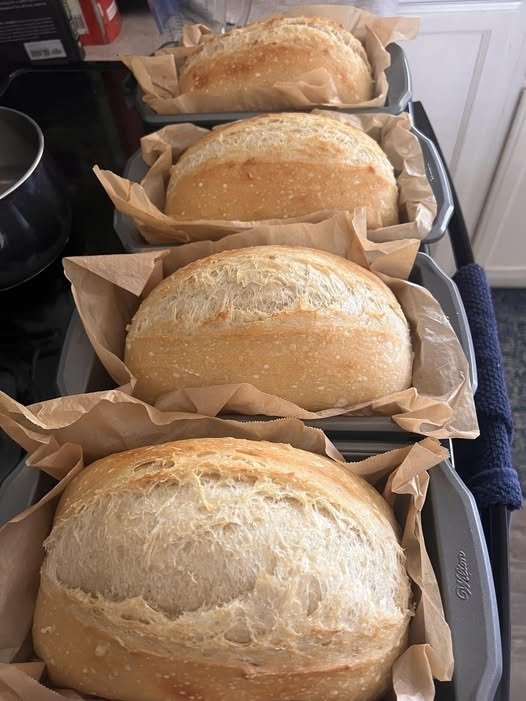
Gluten-Free Sourdough Sandwich Bread
For people who avoid gluten but still crave the flavor and texture of real sourdough bread, gluten-free sourdough sandwich bread is a wonderful solution. This loaf combines the tangy taste of sourdough fermentation with a soft, sliceable texture perfect for sandwiches, toast, or breakfast spreads.
Traditional sourdough bread relies on wheat flour, which contains gluten that helps create structure. In gluten-free baking, that structure must be recreated using alternative flours and natural binders. When done correctly, the result is a loaf that is soft, flavorful, and sturdy enough for everyday use.
Using a gluten-free sourdough starter made from naturally gluten-free grains allows you to enjoy the distinctive taste of sourdough while staying within a gluten-free diet.
Why You’ll Love This Bread
Gluten-free sourdough sandwich bread offers many benefits:
-
Naturally fermented for rich flavor
-
Softer texture than many gluten-free breads
-
Easier to digest for some people
-
Perfect for sandwiches and toast
-
Can be sliced and frozen for later use
Once baked, this bread produces even slices that hold together well—something many gluten-free breads struggle with.
What Makes It Sourdough?
Sourdough bread is made using a fermented starter rather than commercial yeast. The starter contains wild yeast and beneficial bacteria that slowly ferment the dough.
During fermentation, the microorganisms feed on the natural sugars in the flour, producing carbon dioxide that helps the dough rise. This process also develops the signature tangy flavor associated with sourdough bread.
For gluten-free sourdough, the starter is typically made using flours such as:
-
Brown rice flour
-
Sorghum flour
-
Buckwheat flour
-
Millet flour
These naturally gluten-free grains allow the fermentation process to occur without wheat.
Ingredients
This recipe makes one standard sandwich loaf.
Dry ingredients
-
1 cup brown rice flour
-
½ cup sorghum flour
-
½ cup tapioca starch
-
¼ cup potato starch
-
1 tablespoon psyllium husk powder
-
1 teaspoon salt
Wet ingredients
-
1 cup active gluten-free sourdough starter
-
1 cup warm water
-
2 tablespoons olive oil
-
1 tablespoon honey or maple syrup
Preparing the Dough
Start by combining the dry ingredients in a large mixing bowl.
Mix together:
-
Brown rice flour
-
Sorghum flour
-
Tapioca starch
-
Potato starch
-
Psyllium husk powder
-
Salt
Stir well so the ingredients are evenly distributed.
Next, add the wet ingredients:
-
Gluten-free sourdough starter
-
Warm water
-
Olive oil
-
Honey or maple syrup
Mix thoroughly until a thick, sticky dough forms. Unlike traditional wheat dough, gluten-free dough resembles a thick batter rather than something you can knead.
Let the mixture sit for 5–10 minutes so the psyllium husk absorbs moisture and helps create structure.
Shaping the Bread
Lightly grease a standard 9×5-inch loaf pan.
Transfer the dough into the pan and smooth the top with a spatula or wet hands.
For a decorative touch, you can lightly score the surface with a knife.
Fermentation and Rise
Cover the loaf pan with a clean kitchen towel or plastic wrap.
Allow the dough to rise at room temperature for 3–5 hours, depending on the strength of your sourdough starter and the temperature of your kitchen.
The dough should expand slightly and develop small bubbles.
Because gluten-free dough behaves differently from wheat dough, it usually won’t double in size but should show visible fermentation activity.
Baking the Bread
Preheat the oven to 375°F (190°C).
Bake the bread for 45–50 minutes, or until the top becomes golden and the loaf feels firm when tapped.
If the crust browns too quickly, loosely cover the bread with foil during the final 10 minutes.
Once baked, remove the loaf from the pan and allow it to cool completely on a wire rack before slicing.
Cooling is important because gluten-free bread continues to set as it cools.
Tips for Perfect Gluten-Free Sourdough Bread
Use an active starter
Your starter should be bubbly and active before using it.
Measure carefully
Gluten-free baking is more sensitive to ingredient ratios.
Allow proper cooling
Cutting too early may result in a gummy texture.
Use psyllium husk
It acts as a binder and improves texture significantly.
Serving Ideas
Gluten-free sourdough sandwich bread is incredibly versatile.
You can enjoy it as:
-
Classic sandwiches
-
Avocado toast
-
Grilled cheese
-
French toast
-
Toast with butter and jam
Its mild tangy flavor pairs well with both sweet and savory toppings.
Storage
To keep your bread fresh:
Room temperature:
Store in an airtight container for 2–3 days.
Refrigerator:
Up to 1 week.
Freezer:
Slice the loaf and freeze for up to 2 months. Toast slices directly from frozen when needed.
Final Thoughts
Gluten-free sourdough sandwich bread offers the best of both worlds: the rich flavor of traditional sourdough and the accessibility of gluten-free baking. With the right ingredients and a little patience during fermentation, you can create a loaf that is soft, flavorful, and perfect for everyday use.