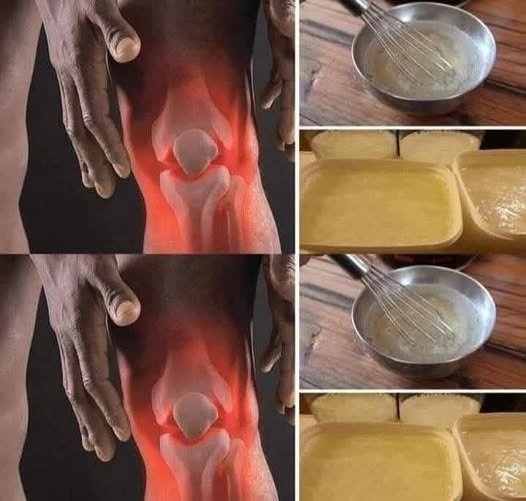
rink Gelatin to Help Your Knee, Back, and Joint Pain Disappear
Joint pain is a common complaint that affects millions of people worldwide. Whether it’s aching knees after climbing stairs, stiffness in your back in the morning, or general discomfort in the elbows or shoulders, these symptoms can make daily life challenging. While there are many medications and therapies available, recent research and traditional wellness practices suggest a simple, natural remedy: gelatin. Drinking gelatin may help support joint health, reduce pain, and improve mobility.
What Is Gelatin?
Gelatin is a protein derived from collagen, which is a structural protein found in connective tissues, bones, skin, and cartilage. Collagen provides strength and elasticity to joints, ligaments, and tendons. When we consume gelatin, our body breaks it down into amino acids, which can help support the production of new collagen in our tissues.
Unlike collagen supplements that often come in capsules or powders, gelatin is easy to incorporate into drinks or foods. It can be mixed with water, fruit juice, or even brewed teas to create a soothing, protein-rich drink that may support joint and bone health.
How Gelatin Supports Joint Health
1. Strengthening Cartilage
Cartilage is the cushioning tissue between bones in your joints. Over time, cartilage can wear down, causing stiffness and pain. Gelatin contains glycine, proline, and hydroxyproline—amino acids that are essential for building and repairing cartilage. Regular consumption may help maintain cartilage integrity and reduce friction in the joints.
2. Reducing Inflammation
Chronic joint inflammation contributes to pain and discomfort in conditions like osteoarthritis. Gelatin has been shown to have mild anti-inflammatory effects, helping to reduce swelling and joint irritation naturally.
3. Supporting Ligaments and Tendons
Ligaments and tendons are composed largely of collagen. By supplying your body with the building blocks from gelatin, you can support the strength and flexibility of these connective tissues, potentially improving joint stability and reducing the risk of injury.
4. Improving Mobility
Some studies suggest that consuming gelatin regularly may improve joint function and range of motion. People who integrate gelatin into their diets often report reduced stiffness and easier movement during everyday activities.
How to Make a Gelatin Drink for Joint Health
Creating a gelatin drink at home is simple and requires minimal ingredients. Here’s a basic recipe:
Ingredients
-
1 tablespoon unflavored gelatin powder
-
1 cup warm water or juice
-
Optional: lemon juice, honey, or ginger for flavor
Instructions
-
Pour the warm water or juice into a cup.
-
Sprinkle the gelatin powder evenly over the liquid and let it sit for 1–2 minutes to bloom.
-
Stir until the gelatin dissolves completely.
-
Add flavorings like honey, lemon, or a pinch of ginger if desired.
-
Drink immediately or refrigerate to enjoy as a chilled beverage.
Tips for Best Results
-
Consistency: Consume gelatin daily for the best effects on joints.
-
Timing: Many people prefer taking it in the morning, 30–60 minutes before exercise, as some studies suggest it may improve joint comfort during movement.
-
Combine with Vitamin C: Vitamin C helps the body synthesize collagen more effectively, so adding a splash of citrus juice can enhance benefits.
Other Ways to Include Gelatin in Your Diet
If you don’t want to drink gelatin, there are other ways to consume it:
-
Homemade gummies: Combine gelatin with fruit juice to create natural gummy snacks.
-
Soups and broths: Bone broth is naturally rich in gelatin and collagen.
-
Smoothies: Add a teaspoon of unflavored gelatin to fruit smoothies for an extra boost of joint-supporting protein.
Scientific Evidence
While more research is needed, several studies indicate that gelatin can help reduce joint pain and improve function:
-
A study published in the American Journal of Clinical Nutrition found that athletes who consumed gelatin before exercise experienced reduced joint discomfort and improved collagen synthesis.
-
Another study showed that gelatin supplementation in people with mild osteoarthritis helped reduce stiffness and improved mobility.
Gelatin is a natural, safe alternative that complements other joint-supporting strategies, including exercise, stretching, and a balanced diet.
Precautions and Considerations
Although gelatin is generally safe for most people, there are a few things to keep in mind:
-
Allergies: If you have allergies to animal products, avoid gelatin or consult a healthcare professional.
-
Digestive Sensitivity: Some people may experience mild bloating or discomfort initially. Start with small amounts and gradually increase.
-
Medical Conditions: If you have kidney or liver issues, or are taking medications, check with your doctor before adding gelatin to your diet regularly.
Lifestyle Tips to Enhance Joint Health
Drinking gelatin is just one part of supporting joint health. Combining it with the following strategies can improve outcomes:
-
Regular Exercise: Low-impact activities like swimming, walking, or yoga help maintain joint flexibility.
-
Healthy Diet: Include omega-3 fatty acids, lean protein, and plenty of vegetables to support joint tissue.
-
Maintain a Healthy Weight: Reducing excess body weight decreases stress on your knees, hips, and back.
-
Stretching and Mobility Work: Gentle stretching can reduce stiffness and enhance movement.
Conclusion
If you suffer from knee, back, or joint pain, incorporating a simple gelatin drink into your daily routine could be a game-changer. By providing essential amino acids to support collagen production, reduce inflammation, and strengthen connective tissues, gelatin offers a natural way to help your joints feel stronger, more flexible, and less painful.
While it’s not a replacement for medical treatment for serious joint conditions, daily gelatin consumption, combined with a healthy lifestyle and proper exercise, may help you regain comfort and mobility, letting you move with ease and live life to the fullest.