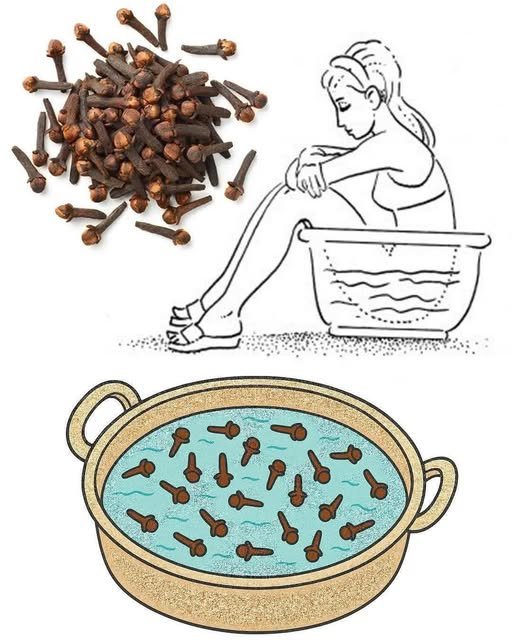
Clove Water Sitz Baths for Women: A Gentle Wellness Ritual
Women’s health and hygiene have always been central to overall well-being. From supporting reproductive health to maintaining comfort and cleanliness, small daily or weekly rituals can make a meaningful difference. One such traditional practice that has gained attention is the clove water sitz bath.
A sitz bath involves sitting in warm water that covers the hips and pelvic area, sometimes infused with herbs or natural compounds. When combined with cloves, known for their aromatic and soothing properties, this ritual can support hygiene, comfort, and a feeling of freshness.
What is a Clove Water Sitz Bath?
A clove water sitz bath is a warm, shallow bath infused with cloves. Typically, it involves:
-
Boiling water with cloves to extract their natural compounds
-
Allowing the water to cool slightly to a safe, comfortable temperature
-
Sitting in the water so that the pelvic region is fully submerged for 10–15 minutes
This practice has been used in traditional medicine and natural wellness routines for generations.
Why Cloves Are Used in Sitz Baths
Cloves contain compounds like eugenol, which have been studied for their:
-
Aromatic and soothing properties
-
Mild antiseptic effects
-
Ability to provide a calming and warming sensation
In a sitz bath, these properties combine with warm water to create a gentle environment for the pelvic area. Many women report that this ritual leaves them feeling refreshed, relaxed, and comfortable.
How to Prepare a Clove Water Sitz Bath
Ingredients
-
1–2 teaspoons whole cloves
-
2–3 cups water (for boiling)
-
Optional: few drops of lavender or chamomile for added soothing effect
Step-by-Step Instructions
-
Boil the water
Add cloves to water and bring to a gentle boil for 5–10 minutes. -
Strain the liquid
Remove the cloves to prevent discomfort from sharp pieces. -
Adjust temperature
Let the water cool to a comfortably warm temperature—too hot can cause irritation. -
Prepare the sitz bath
Use a sitz bath basin, shallow tub, or a clean sink large enough to sit in comfortably. -
Sit and relax
Submerge the pelvic area for 10–15 minutes, breathing deeply and relaxing muscles. -
Dry gently
Pat the area dry with a clean towel, avoiding rubbing to prevent irritation.
Benefits Women Often Report
While research on clove water sitz baths is limited, women who practice them commonly report:
-
Pelvic comfort – Warm water soothes tired muscles and relaxes tension.
-
A feeling of freshness – Cloves’ natural aroma provides a gentle, calming scent.
-
Hygiene support – Sitz baths can help maintain a clean and comfortable intimate area.
-
Postpartum care – Many women use sitz baths after childbirth to soothe recovery in the perineal area.
These benefits are mainly supportive and sensory rather than curative. Sitz baths should complement, not replace, medical care.
Safety Tips
-
Check water temperature – It should feel comfortably warm, not hot.
-
Use moderate frequency – 2–3 times per week is usually sufficient.
-
Avoid if irritation occurs – Stop if redness, itching, or burning develops.
-
Consult a healthcare provider – Especially if pregnant, postpartum, or dealing with infections.
Enhancing the Experience
-
Add other herbs – Chamomile, lavender, or calendula can increase the soothing effect.
-
Quiet environment – Soft lighting or calming music enhances relaxation.
-
Aftercare – Wear breathable cotton clothing to maintain comfort post-bath.
Who Can Benefit Most
-
Women experiencing mild pelvic discomfort
-
Those looking for postpartum recovery support
-
Individuals seeking gentle hygiene routines
-
Women interested in natural self-care rituals
Common Mistakes to Avoid
-
Using water that’s too hot
-
Leaving cloves in the bath, which may irritate skin
-
Overdoing the baths (daily baths can dry or irritate skin)
-
Expecting clove baths to replace professional care for infections
Final Thoughts
Clove water sitz baths are a gentle, aromatic ritual that combines warmth, relaxation, and the soothing properties of cloves. While they do not replace medical treatments, they are widely appreciated for the comfort and sense of well-being they provide.
For women over 18, especially those seeking a natural, calming wellness practice, this simple 10–15 minute routine can become a comforting addition to weekly self-care. As with all health routines, listen to your body and consult a professional if you experience persistent discomfort or health concerns.