BEST Prime Rib Roast – Juicy, Tender & Perfectly Cooked Every Time
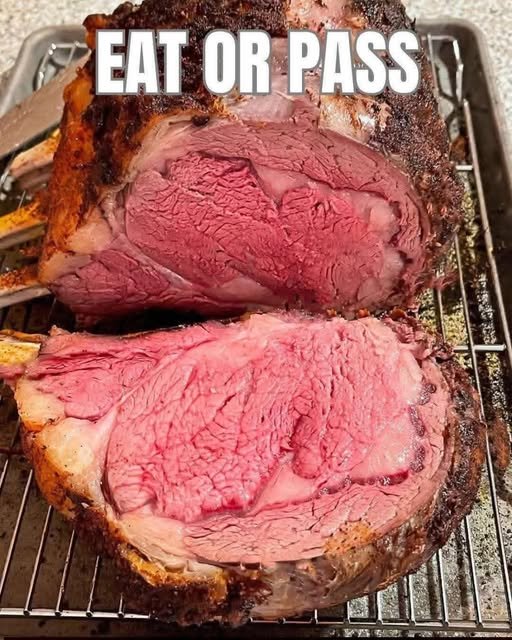
If there’s one centerpiece that guarantees a show-stopping meal, it’s a Prime Rib Roast. Also known as a standing rib roast, this cut is famous for its rich marbling, buttery tenderness, and deep beef flavor. When cooked properly, it delivers a beautifully browned crust on the outside and a perfectly pink, juicy interior.
Whether you’re preparing it for Eid, a holiday dinner, or a special family gathering, this foolproof method will help you achieve steakhouse-quality prime rib right at home.
Why Prime Rib Is So Special
Prime rib comes from the rib section of the cow and is known for:
-
Exceptional marbling
-
Deep, rich beef flavor
-
Tender texture
-
Impressive presentation
Because of its natural fat content, prime rib stays juicy and flavorful when roasted properly.
Ingredients
-
1 prime rib roast (4–7 pounds, bone-in preferred)
-
2 tablespoons olive oil
-
2 tablespoons coarse salt
-
1 tablespoon freshly ground black pepper
-
1 tablespoon garlic powder
-
4 cloves garlic, minced
-
2 tablespoons chopped fresh rosemary
-
2 tablespoons chopped fresh thyme
-
4 tablespoons softened butter
Optional:
-
1 cup beef broth (for pan juices)
Choosing the Right Prime Rib
Look for:
-
Good marbling (thin white lines of fat throughout the meat)
-
Bright red color
-
Bone-in roast for extra flavor
Plan for about 1 pound per person when bone-in.
Step-by-Step Instructions
1. Bring to Room Temperature
Remove the roast from the refrigerator at least 2 hours before cooking. This ensures even roasting.
Pat the meat completely dry with paper towels.
2. Season Generously
In a small bowl, mix butter, garlic, rosemary, thyme, salt, pepper, and garlic powder.
Rub olive oil over the roast, then spread the herb butter mixture evenly over all sides.
Season generously — prime rib is a large cut and needs bold seasoning.
3. Preheat the Oven
Preheat your oven to 450°F (230°C).
4. High-Heat Sear
Place the roast bone-side down in a roasting pan (bones act as a natural rack).
Roast at 450°F for 20 minutes to create a flavorful crust.
5. Slow Roast
Reduce oven temperature to 325°F (165°C).
Continue roasting until the internal temperature reaches:
-
Rare: 120–125°F (49–52°C)
-
Medium Rare: 130–135°F (54–57°C)
-
Medium: 140–145°F (60–63°C)
This typically takes about 15 minutes per pound, but always rely on a meat thermometer for accuracy.
6. Rest the Roast
Remove from oven and tent loosely with foil.
Let it rest for 20–30 minutes before slicing.
Resting allows juices to redistribute, ensuring a moist roast.
Perfect Doneness Guide
For best flavor and tenderness, medium-rare (130–135°F) is ideal for prime rib.
Remember: the temperature will rise about 5 degrees while resting.
Optional Au Jus (Pan Sauce)
-
Remove excess fat from the roasting pan.
-
Place the pan on the stovetop over medium heat.
-
Add 1 cup beef broth.
-
Scrape up browned bits from the bottom.
-
Simmer for 5 minutes and strain if desired.
Serve alongside sliced prime rib.
Texture & Flavor
A perfectly cooked prime rib has:
-
Crispy, herb-crusted exterior
-
Tender, juicy pink center
-
Rich, buttery flavor
-
Melt-in-your-mouth texture
The marbling makes every bite incredibly satisfying.
Pro Tips for the BEST Prime Rib
Use a meat thermometer:
It’s the only reliable way to ensure perfect doneness.
Don’t skip resting:
Cutting too soon releases precious juices.
Avoid overcooking:
Prime rib is best served medium-rare.
Bone-in adds flavor:
Plus, it makes a stunning presentation.
What to Serve with Prime Rib
Prime rib pairs beautifully with:
-
Garlic mashed potatoes
-
Roasted carrots
-
Yorkshire pudding
-
Creamed spinach
-
Horseradish sauce
-
Fresh green salad
A simple side allows the roast to shine as the star of the meal.
Storage & Reheating
Refrigeration
Store leftovers in an airtight container for up to 4 days.
Reheating
Reheat gently in a 300°F (150°C) oven covered with foil and a splash of broth.
Avoid microwaving, which can overcook the meat.
Leftover Ideas
-
Prime rib sandwiches
-
Steak and eggs
-
Beef stroganoff
-
French dip sandwiches
Frequently Asked Questions
Bone-in or boneless?
Bone-in has slightly more flavor and presentation appeal.
Can I cook it lower and slower?
Yes. Some prefer roasting at 250°F for ultra-even cooking.
Why is my prime rib tough?
It may have been overcooked or not rested properly.
Final Thoughts
The BEST Prime Rib Roast is all about proper seasoning, accurate temperature control, and patience. When done right, it delivers an unforgettable dining experience — crispy on the outside, tender and juicy on the inside.
Whether you’re celebrating a holiday, hosting a dinner party, or simply indulging in a special meal, prime rib is always a statement dish.