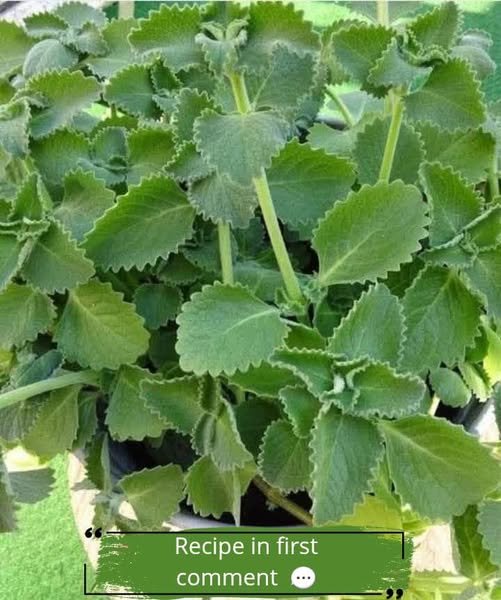
A Scientific Look at Oregano’s Role in Supporting Wellness
Oregano is widely known as a flavorful herb used in many cuisines around the world, especially in Mediterranean cooking. However, beyond its culinary uses, oregano has also attracted attention in the fields of nutrition and natural health. Researchers have explored the compounds found in oregano to better understand how they may support overall wellness.
From its antioxidant content to its potential antimicrobial properties, oregano has been studied for its possible benefits in supporting the body’s natural defenses. While it is not a cure or treatment for diseases, scientific research suggests that incorporating oregano into a balanced diet may contribute to general health.
What Is Oregano?
Oregano is a fragrant herb from the mint family, scientifically known as Origanum vulgare. It has been used for centuries in traditional cooking and herbal practices, particularly in Mediterranean and Middle Eastern cultures.
The herb is commonly available in several forms, including:
-
Fresh oregano leaves
-
Dried oregano seasoning
-
Oregano tea or infusions
-
Essential oils derived from oregano
Among these forms, fresh and dried oregano are the most commonly used in food preparation.
Key Bioactive Compounds in Oregano
Oregano contains several natural compounds that scientists believe contribute to its health-supporting properties. Two of the most widely studied components are carvacrol and thymol.
Carvacrol
Carvacrol is a phenolic compound responsible for much of oregano’s distinctive aroma and flavor. Studies have examined its potential antimicrobial and antioxidant properties.
Laboratory research has shown that carvacrol may help inhibit the growth of certain microorganisms under controlled conditions.
Thymol
Thymol is another naturally occurring compound found in oregano. It has been studied for its potential ability to support microbial balance and protect against oxidative stress.
Both of these compounds contribute to oregano’s strong aroma and may play a role in its traditional use in herbal preparations.
Antioxidant Properties
One of the most well-documented features of oregano is its antioxidant content. Antioxidants help neutralize unstable molecules known as free radicals, which can contribute to cellular damage when present in large amounts.
Research has shown that oregano contains several antioxidant compounds, including:
-
Phenolic acids
-
Flavonoids
-
Carvacrol and thymol
These substances may help support the body’s natural defense mechanisms against oxidative stress.
In fact, some studies have found that oregano has higher antioxidant activity than many other common herbs.
Potential Antimicrobial Activity
Scientists have also studied oregano for its potential antimicrobial properties. In laboratory settings, oregano extracts have demonstrated activity against certain bacteria and fungi.
These findings suggest that oregano compounds may help inhibit microbial growth under controlled conditions.
However, it is important to understand that laboratory results do not necessarily translate directly to effects inside the human body. More clinical research is needed to fully understand how these properties work in real-life dietary use.
Digestive Support
Oregano has traditionally been used to support digestion. Some herbal traditions recommend oregano tea or extracts to help stimulate digestive processes.
Research suggests that oregano may contribute to digestive wellness by:
-
Supporting healthy gut microbial balance
-
Stimulating digestive enzymes
-
Helping reduce occasional digestive discomfort
Including oregano as part of a balanced diet may therefore support overall digestive health.
Immune System Support
Because oregano contains antioxidants and other bioactive compounds, researchers have explored its potential role in supporting immune health.
Antioxidants help protect cells from oxidative stress, which is important for maintaining a healthy immune response. While oregano alone cannot prevent illness, it may contribute to general immune support when consumed as part of a nutritious diet.
Nutritional Content
In addition to its beneficial compounds, oregano also contains small amounts of important vitamins and minerals.
These include:
-
Vitamin K
-
Vitamin E
-
Iron
-
Calcium
-
Manganese
Although oregano is typically consumed in small quantities, these nutrients still contribute to its overall nutritional value.
Ways to Incorporate Oregano into Your Diet
Adding oregano to your meals is a simple way to enjoy both its flavor and potential wellness benefits.
Some easy ways to use oregano include:
-
Sprinkling dried oregano on roasted vegetables
-
Adding fresh oregano to salads
-
Using it in tomato sauces and pasta dishes
-
Brewing oregano leaves into herbal tea
-
Mixing it into marinades for meats and vegetables
Because oregano has a strong flavor, a little usually goes a long way.
Important Considerations
While oregano is safe when consumed in normal culinary amounts, certain concentrated forms—such as essential oils—should be used cautiously.
Key points to remember:
-
Essential oils should not be consumed without professional guidance
-
Large amounts of herbal supplements may interact with medications
-
Pregnant individuals should consult healthcare providers before using herbal extracts
Using oregano as a culinary herb is generally considered safe for most people.
Final Thoughts
Oregano is much more than a simple kitchen herb. Scientific research has identified several compounds within oregano that may support wellness through antioxidant activity and potential antimicrobial effects. While these findings are promising, oregano should be viewed as part of a balanced diet rather than a standalone health solution.