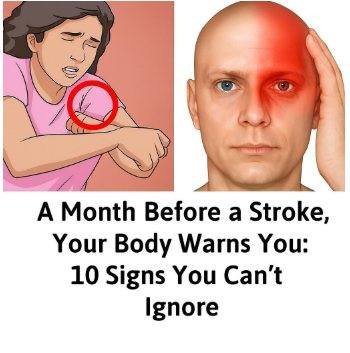
A Month Before a Stroke: 10 Warning Signs Your Body Might Show
A stroke can happen suddenly, but research and medical observations reveal that your body often gives subtle warning signs weeks before a full-blown stroke occurs. Recognizing these signs early and seeking medical attention could save your life or minimize long-term damage. Here are 10 key warning signs your body may exhibit a month before a stroke.
1. Frequent Headaches
Unexplained headaches, especially sudden, severe, or recurring ones, may indicate changes in blood flow to the brain. Unlike tension headaches, these may feel more intense, localized, or pulsating.
What to do: Track the frequency and intensity. Consult your doctor if headaches are worsening or unusual for you.
2. Dizziness or Loss of Balance
Persistent dizziness, vertigo, or trouble maintaining balance can be a sign of reduced blood flow or a mini-stroke (transient ischemic attack, TIA).
Tip: Don’t ignore repeated episodes — even mild imbalance can precede a major stroke.
3. Vision Changes
Blurry vision, double vision, or partial loss of sight in one or both eyes may signal a problem in the brain’s blood vessels. Sudden changes in vision, especially in one eye, are particularly concerning.
Action: Schedule an eye and neurological check-up immediately if these occur.
4. Facial Drooping
Even subtle drooping on one side of the face, especially when smiling, can be a warning. Early detection of facial weakness can alert you to reduced blood flow to the brain.
Tip: Ask someone to observe your face periodically, especially if you notice asymmetry.
5. Arm or Leg Weakness
If one arm or leg feels weak, numb, or difficult to move, it may indicate compromised brain circulation. These episodes can last minutes or hours and might precede a stroke.
Action: Take note of sudden weakness, even if it resolves quickly, and seek medical advice.
6. Difficulty Speaking or Understanding Speech
Struggling to find words, slurring speech, or trouble understanding conversations can be a warning sign of impaired brain function. TIAs or reduced blood flow can cause these early symptoms.
Tip: Record or note any recurring speech issues to inform your healthcare provider.
7. Confusion or Cognitive Changes
Mild confusion, memory lapses, or difficulty focusing on routine tasks may precede a stroke. These subtle cognitive changes are often overlooked but can indicate the brain is not receiving enough oxygen.
8. Numbness or Tingling
Sudden numbness or tingling, particularly on one side of the body, should never be ignored. This can affect the face, arm, or leg and often comes before more serious stroke events.
9. Severe Fatigue
Unexplained extreme fatigue or weakness, especially if sudden and disproportionate to activity, may be a warning sign of reduced cerebral blood flow. Listen to your body if normal tasks feel unusually exhausting.
10. Digestive or Heart-Related Symptoms
Sometimes a stroke warning appears as rapid heartbeat, palpitations, or gastrointestinal discomfort, particularly if linked to high blood pressure or atrial fibrillation. These underlying conditions increase stroke risk.
What You Should Do
-
Seek medical attention immediately if you notice any of these symptoms, even if they resolve.
-
Regular check-ups can help detect high blood pressure, high cholesterol, or diabetes — all major stroke risk factors.
-
Lifestyle adjustments — including a balanced diet, regular exercise, quitting smoking, and limiting alcohol — reduce stroke risk.
-
Know your family history: Genetics can influence risk.
Quick Reminder: The FAST Method
A stroke can occur suddenly. Remember FAST:
-
F – Face drooping
-
A – Arm weakness
-
S – Speech difficulty
-
T – Time to call emergency services
Even if these appear mildly, prompt medical care can save lives.
Final Thoughts
Stroke prevention starts with awareness. Your body may give subtle signs weeks before a major stroke, so don’t ignore changes in headaches, balance, speech, vision, or strength. Acting early by consulting a healthcare professional and managing risk factors could prevent serious brain damage or save your life.