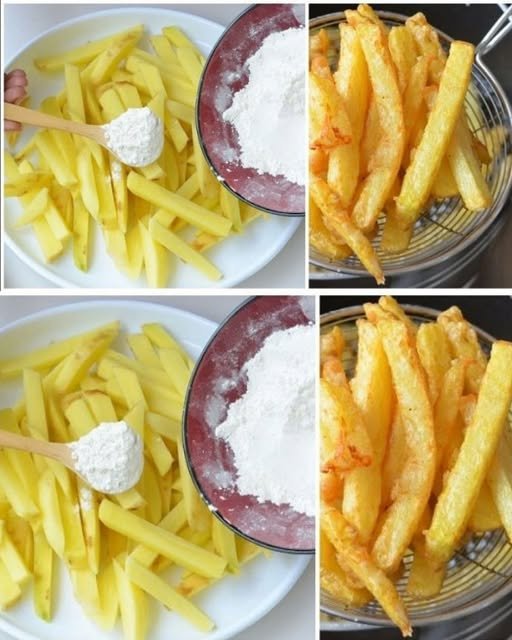
Discover This Vinegar Trick to Get Crispy French Fries Every Time
Perfect French fries are the ultimate comfort food: crispy on the outside, fluffy on the inside, and golden from edge to edge. Yet for many home cooks, fries turn out limp, soggy, or unevenly cooked. The secret used by many chefs and proven in professional kitchens? Vinegar.
Yes—this simple pantry ingredient can make a dramatic difference in the texture of homemade French fries. When used correctly, vinegar helps fries hold their shape, develop a crisp exterior, and stay fluffy inside.
Let’s break down why this trick works and exactly how to use it at home.
Why Homemade Fries Often Turn Soggy
Before diving into the vinegar trick, it helps to understand what goes wrong with homemade fries:
-
Potatoes release starch into water
-
Soft potato cell walls break down during cooking
-
Excess moisture prevents crisping
-
Fries brown before they crisp
The result is fries that look golden but lack crunch.
This is where vinegar comes in.
How Vinegar Makes Fries Crispier
Adding vinegar to the soaking or parboiling water helps in two important ways:
1. Strengthens Potato Structure
Vinegar slightly acidifies the water, which helps potatoes hold their structure during cooking. This prevents them from breaking down too quickly and turning mushy.
2. Controls Surface Starch
Vinegar slows the release of surface starch, allowing fries to cook evenly and develop a firmer exterior that crisps beautifully when fried or baked.
The best part? You won’t taste the vinegar in the finished fries when used correctly.
The Best Vinegar to Use
You don’t need anything fancy. These all work well:
-
White vinegar (most common)
-
Apple cider vinegar
-
Distilled vinegar
Avoid strong flavored vinegars like balsamic or malt for this method—they can affect taste and color.
The Vinegar Fry Method (Step by Step)
Ingredients
-
2–3 large potatoes (Russet potatoes work best)
-
Cold water
-
1–2 tablespoons vinegar
-
Oil for frying or baking
-
Salt (for seasoning after cooking)
Step 1: Cut the Potatoes
Peel if desired, then cut potatoes into even sticks. Uniform size ensures even cooking.
Step 2: Vinegar Soak or Parboil
Option A: Vinegar Soak (Easier Method)
-
Place cut potatoes in a bowl of cold water
-
Add 1 tablespoon vinegar per liter of water
-
Soak for 30–60 minutes
-
Drain and rinse briefly
Option B: Vinegar Parboil (Restaurant Method)
-
Bring a pot of water to a gentle boil
-
Add 1–2 tablespoons vinegar
-
Add potatoes and simmer for 5–7 minutes until just tender
-
Drain carefully and let steam-dry completely
This second method produces the crispiest fries.
Step 3: Dry Thoroughly
Moisture is the enemy of crispiness. After soaking or parboiling:
-
Spread fries on a clean towel
-
Pat completely dry
-
Let air-dry for 10 minutes if possible
Step 4: Cook the Fries
Deep Frying (Crispiest Result)
-
Fry at 160°C (320°F) for 5–6 minutes
-
Remove and rest for 5 minutes
-
Fry again at 190°C (375°F) until golden
Oven Fries
-
Toss with oil
-
Bake at 220°C (425°F), turning once
-
Bake until crisp and golden
Air Fryer
-
Toss lightly with oil
-
Cook at 200°C (400°F)
-
Shake basket halfway through
Step 5: Season After Cooking
Always salt fries after cooking, never before. This preserves crispiness.
Why You Don’t Taste the Vinegar
The vinegar stays in the water—it doesn’t penetrate deeply into the potato. Its job is structural, not flavorful. Once fries are drained, dried, and cooked, the vinegar’s effect is purely textural.
That’s why this trick works even for people who don’t like vinegar.
Extra Tips for Ultra-Crispy Fries
-
Use Russet potatoes for best starch balance
-
Don’t overcrowd the fryer or baking tray
-
Let fries cool briefly between double frying
-
Season immediately after cooking
Common Mistakes to Avoid
-
Adding too much vinegar (more is not better)
-
Skipping the drying step
-
Frying at too low a temperature
-
Salting before cooking
Does This Trick Work for Sweet Potato Fries?
Yes—but sweet potatoes are naturally softer. Vinegar helps them hold shape, but they’ll never be as crisp as regular potatoes. Cornstarch can help further if needed.
Final Thoughts
The vinegar trick is one of those simple kitchen secrets that feels almost too easy—yet it’s backed by science and used by professionals. By strengthening potato structure and controlling starch release, vinegar helps you achieve crispy, golden fries at home without special equipment or complicated techniques.
Once you try it, it’s hard to go back.
If you love fries with real crunch, this one small step can completely change your results.